
Science
AST SpaceMobile Launches Largest Satellite for Cellular Network

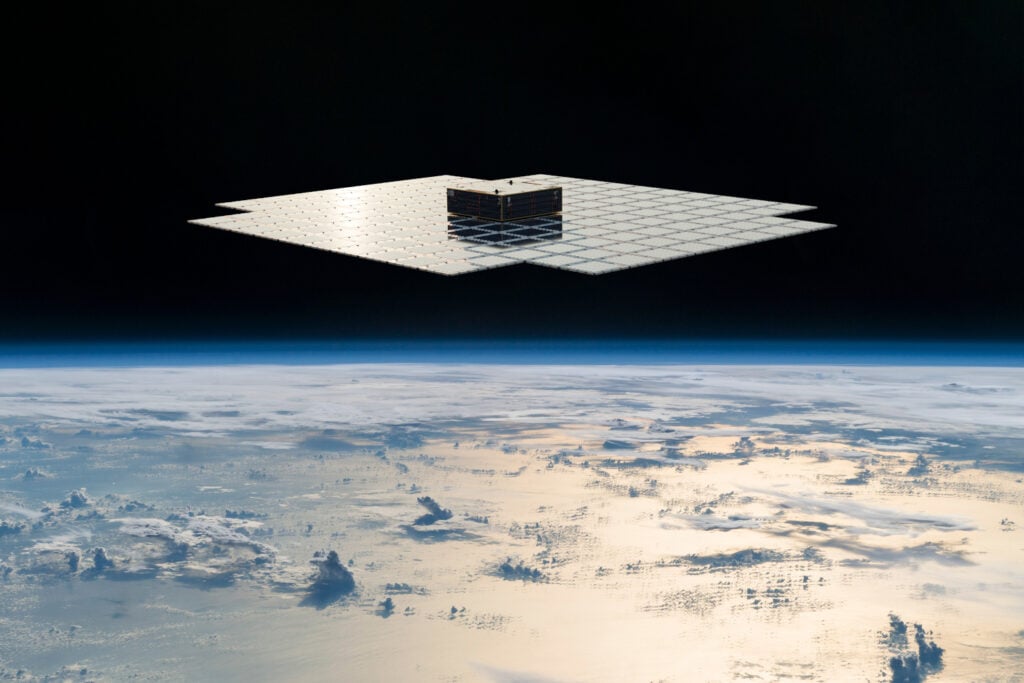
AST SpaceMobile, a Texas-based startup, has successfully launched its largest satellite to date, BlueBird 6, marking a significant step in its ambition to establish a space-based cellular broadband network. The satellite took off aboard India’s LVM3 rocket on December 23, 2023, at 22:25 ET from the Satish Dhawan Space Center. This launch positions AST SpaceMobile to compete directly with established players in the industry, notably SpaceX and its Starlink service.
Expanding Satellite Capabilities
BlueBird 6 is approximately three times larger than earlier models, making it the largest commercial satellite currently in Earth orbit. The satellite’s array, once fully deployed, will span an impressive 2,400 square feet (around 223 square meters). This increases the potential for substantial bandwidth, with each satellite designed to support 10 gigahertz of bandwidth and provide speeds of up to 120 megabytes per second per cellphone.
The launch builds on the success of AST SpaceMobile’s previous efforts, including the earlier satellite, BlueWalker 3, which launched in September 2022. BlueWalker 3 was instrumental in testing the feasibility of establishing cellular connectivity from space. In a notable achievement, it facilitated the first 5G phone call from space to a standard Samsung Galaxy S22, demonstrating the technology’s potential.
Future Launch Plans and Industry Competition
AST SpaceMobile aims to deploy a total of 243 satellites in its next-generation constellation, with plans to launch between 45 and 60 more by the end of 2026. This expansion is designed to provide cellular data services across the United States and select international markets. Despite the competitive landscape, which sees SpaceX operating over 9,000 satellites—approximately 60% of all satellites in orbit—AST SpaceMobile’s larger antennas may offer a competitive edge.
Both companies are embroiled in a contentious rivalry. In July 2023, SpaceX raised concerns with the Federal Communications Commission (FCC), alleging that AST SpaceMobile poses risks to the sustainability of low Earth orbit. Conversely, AST has accused SpaceX of attempting to intimidate competitors by spreading misinformation regarding its operations.
As AST SpaceMobile continues to launch its satellites, the competition between these two companies will not only influence the market dynamics of satellite-based internet services but also impact the visibility of the night sky. As more satellites fill Earth’s orbit, the implications for both technological advancement and astronomical observation remain significant.

Urgent Swatting Incident Ties Up Emergency Resources in Alabama

Urgent Tax Alert: Claim Your Deductions Before April 15!

Scientists Investigate Cosmic Defects: Where Are They Now?

Spring Bocce Leagues Open Registration in Rapid City

CALV Offers Essential Communication Class for Real Estate Pros

Samsung Galaxy Watch 9 Set for Larger 435mAh Battery Upgrade

Healthy Choice Wellness Reports Earnings, Stock Sees Uptick

Prince Harry Claims to Be ‘Antidote to Andrew’ Amid Royal Crisis

Pet Owners Weigh Kibble Against Fresh Dog Food Options

ALMA Discovers Companion Orbiting Giant Star π 1 Gruis

U.S. Visa Rescheduling Hits H‐1B Applicants as New Vetting Rules Take Effect

University of Hawaiʻi Joins $25.6M AI Project for Disaster Monitoring

F-22 Raptor vs. Su-57 Felon: A 2025 Fighter Jet Comparison

Recent Divorce Judgments from Iberia Parish Court Records

Ohio State Study Uncovers Brain Connectivity and Function Links

Prince Andrew Faces Fallout from Scandals and Allegations

Urgent: Flight Cancellations Loom at Texas Airports Amid Shutdown

Frank Dunn, Esteemed Builder and Community Leader, Passes Away at 89
-
 Science8 months ago
ALMA Discovers Companion Orbiting Giant Star π 1 Gruis
-
 Politics6 months ago
U.S. Visa Rescheduling Hits H‐1B Applicants as New Vetting Rules Take Effect
-
Science8 months ago
University of Hawaiʻi Joins $25.6M AI Project for Disaster Monitoring
-
 World8 months ago
F-22 Raptor vs. Su-57 Felon: A 2025 Fighter Jet Comparison
-
 Politics8 months ago
Recent Divorce Judgments from Iberia Parish Court Records
-
 Science9 months ago
Ohio State Study Uncovers Brain Connectivity and Function Links
-
 World8 months ago
Prince Andrew Faces Fallout from Scandals and Allegations
-
 Top Stories8 months ago
Urgent: Flight Cancellations Loom at Texas Airports Amid Shutdown
-
 Lifestyle8 months ago
Frank Dunn, Esteemed Builder and Community Leader, Passes Away at 89
-

 Business8 months ago
Appian Recognizes 2025 Partner Award Winners for Enterprise Innovation
-

 Entertainment6 months ago
Malachi Barton Tops Google Searches as Disney’s Rising Star of 2025
-

 Science9 months ago
Innovator Captures Light at 2 Billion Frames Per Second