
Science
Ancient Chewing Gum Reveals Gender Roles in Neolithic Europe

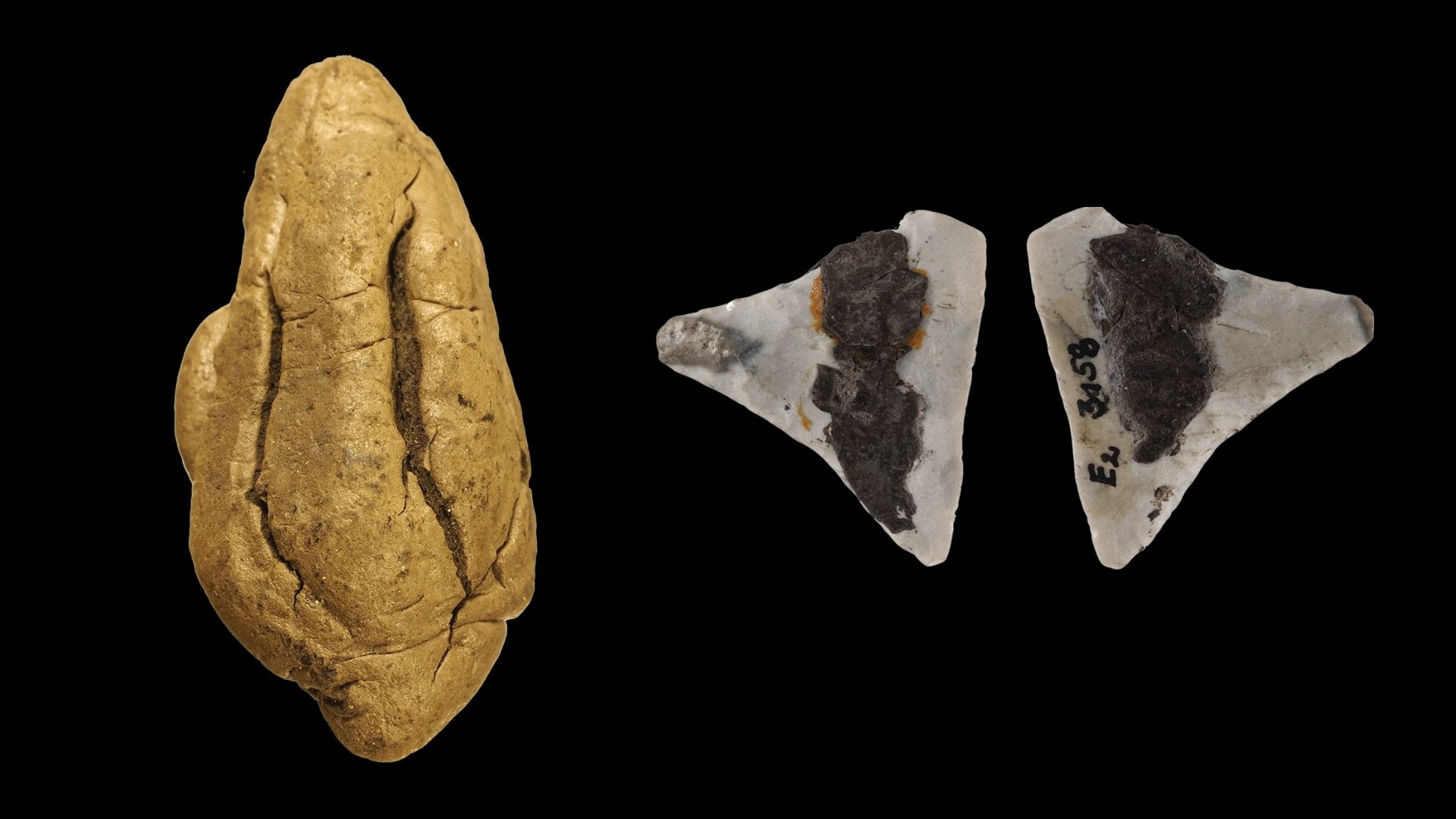
A recent study conducted by researchers from the University of Copenhagen has uncovered significant insights into gender roles during the Neolithic Age in Europe. By analyzing ancient birch tar artifacts, which were likely used as a form of “chewing gum” over 6,000 years ago, the researchers have provided a glimpse into daily life and the division of labor between men and women in early societies.
The research team examined 30 pieces of birch tar retrieved from nine archaeological sites in the European Alps, primarily from lake settlements. Among these artifacts, twelve tar pieces were identified as loose wads, indicating they had been chewed. The birch tar, known for its preservative qualities, contained traces of human saliva, food remnants, and even DNA, allowing the researchers to gain insights into the behaviors and practices of Neolithic communities.
According to the team, led by Anna White, the precise reasons for chewing birch tar remain uncertain. It is hypothesized that the substance may have been consumed for its medicinal properties, as it contains natural compounds with antimicrobial effects. The researchers noted, “The presence of human and oral microbial DNA in some of the samples suggests the tar was chewed, in some cases by multiple individuals.” This discovery enables a more nuanced understanding of gender dynamics in ancient societies.
Uncovering Gender Roles
The DNA analysis revealed intriguing patterns. Male DNA was predominantly found in tar used as an adhesive for ten stone tools, while female DNA was present in tar associated with three pottery items. This evidence led the researchers to conclude that men were primarily responsible for tool usage, whereas women engaged in pottery production during the Neolithic Age.
The study also suggested an alternative perspective on the use of chewing birch tar. The researchers proposed that Neolithic individuals may have chewed the tar to soften it for use as an adhesive, as it tends to harden upon cooling. They explained, “Saliva reduces adhesive properties, which can only be returned after reheating.” This finding may clarify why less oral microbial DNA was detected in the hafted samples and ceramic tars compared to the chewed pieces.
This research sheds light on a unique aspect of prehistoric life, providing a rare opportunity to explore gendered practices and dietary habits of ancient communities. As human remains from this period are scarce, the analysis of ancient chewing gum offers valuable insights that would otherwise be lost to time.
The findings from this study have been published in the Proceedings of the Royal Society B, contributing to our understanding of early human societies and the roles individuals played within them. By examining these ancient artifacts, researchers are not only uncovering the past but also enriching our knowledge of the complex social structures that existed thousands of years ago.

Urgent Swatting Incident Ties Up Emergency Resources in Alabama

Urgent Tax Alert: Claim Your Deductions Before April 15!

Scientists Investigate Cosmic Defects: Where Are They Now?

Spring Bocce Leagues Open Registration in Rapid City

CALV Offers Essential Communication Class for Real Estate Pros

Samsung Galaxy Watch 9 Set for Larger 435mAh Battery Upgrade

Healthy Choice Wellness Reports Earnings, Stock Sees Uptick

Prince Harry Claims to Be ‘Antidote to Andrew’ Amid Royal Crisis

Pet Owners Weigh Kibble Against Fresh Dog Food Options

ALMA Discovers Companion Orbiting Giant Star π 1 Gruis

U.S. Visa Rescheduling Hits H‐1B Applicants as New Vetting Rules Take Effect

University of Hawaiʻi Joins $25.6M AI Project for Disaster Monitoring

F-22 Raptor vs. Su-57 Felon: A 2025 Fighter Jet Comparison

Recent Divorce Judgments from Iberia Parish Court Records

Urgent: Flight Cancellations Loom at Texas Airports Amid Shutdown

Ohio State Study Uncovers Brain Connectivity and Function Links

Frank Dunn, Esteemed Builder and Community Leader, Passes Away at 89

Appian Recognizes 2025 Partner Award Winners for Enterprise Innovation
-
 Science9 months ago
ALMA Discovers Companion Orbiting Giant Star π 1 Gruis
-
 Politics7 months ago
U.S. Visa Rescheduling Hits H‐1B Applicants as New Vetting Rules Take Effect
-
Science10 months ago
University of Hawaiʻi Joins $25.6M AI Project for Disaster Monitoring
-
 World10 months ago
F-22 Raptor vs. Su-57 Felon: A 2025 Fighter Jet Comparison
-
 Politics9 months ago
Recent Divorce Judgments from Iberia Parish Court Records
-
 Top Stories10 months ago
Urgent: Flight Cancellations Loom at Texas Airports Amid Shutdown
-
 Science10 months ago
Ohio State Study Uncovers Brain Connectivity and Function Links
-
 Lifestyle10 months ago
Frank Dunn, Esteemed Builder and Community Leader, Passes Away at 89
-
 Business9 months ago
Appian Recognizes 2025 Partner Award Winners for Enterprise Innovation
-

 World10 months ago
Prince Andrew Faces Fallout from Scandals and Allegations
-

 Entertainment8 months ago
Malachi Barton Tops Google Searches as Disney’s Rising Star of 2025
-

 Top Stories9 months ago
Republican Matt Van Epps Wins Tennessee Special Election