
Science
Algorithms Illuminate Propane Conversion to Propylene Breakthrough

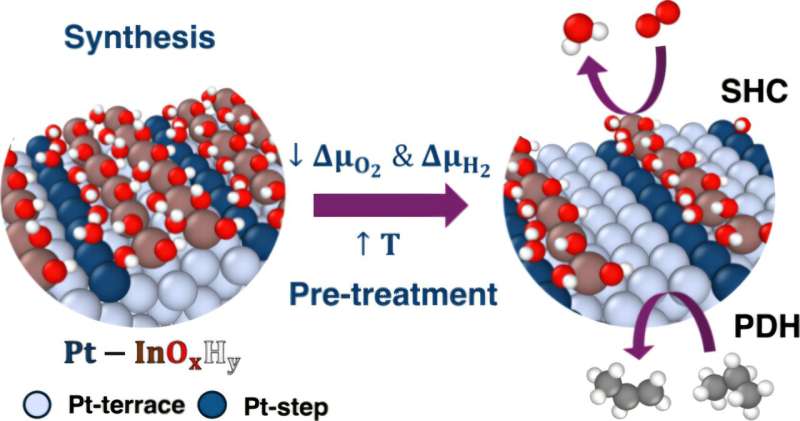
Innovative algorithms developed at the University of Rochester have unveiled the atomic mechanisms involved in converting propane into propylene, a crucial step for manufacturing everyday products. This research, published on November 13, 2025, in the Journal of the American Chemical Society, enhances the understanding of a process essential for creating items ranging from plastic bottles to outdoor furniture.
In prior work, a study published in 2021 in Science demonstrated that chemists could utilize tandem nanoscale catalysts to streamline the conversion process. However, the atomic details of this complex reaction remained elusive, hindering broader applications in industrial chemistry. The recent study addresses this gap by focusing on the intricate interactions at the atomic level during the catalytic process.
Decoding Complex Reactions
The research team, led by Assistant Professor Siddharth Deshpande, employed advanced algorithms to analyze the myriad of atomic interactions that occur when nanoscale catalysts facilitate the transformation of propane into propylene. “There are so many different possibilities of what’s happening at the catalytic active sites, so we need an algorithmic approach to very easily yet logically screen through the large amount of possibilities that exist and focus on the most important ones,” Deshpande explained.
The team, including Ph.D. student Snehitha Srirangam, discovered unexpected behaviors in their findings. They noted that the oxide formed during the reaction showed a strong preference for surrounding defective metal sites, which proved vital for maintaining the stability of the catalyst. Despite the oxide’s ability to exist in various chemical compositions, it consistently remained associated with these defective sites, emphasizing the significance of this interaction.
Broader Implications for Industrial Chemistry
Deshpande believes that the insights gained from this research can significantly impact how companies approach the production of propylene and other industrial materials. By leveraging the team’s algorithmic methods, researchers could enhance the understanding of other critical chemical processes, such as methanol synthesis, which is used in the production of products like paints and fuel cells.
“Our approach is very general and can open the doors to understanding many of these processes that have remained an enigma for decades,” Deshpande remarked. He emphasized that while the production of these chemicals is prevalent, the underlying mechanisms are not fully understood. This work offers a pathway to move beyond traditional trial-and-error methods that have characterized industrial chemistry for years.
The team’s findings represent a significant step forward in the field, potentially leading to more efficient and cost-effective production methods for essential chemicals. As industries seek to improve their processes, this research could pave the way for innovations that enhance productivity and sustainability in chemical manufacturing.

Urgent Swatting Incident Ties Up Emergency Resources in Alabama

Urgent Tax Alert: Claim Your Deductions Before April 15!

Scientists Investigate Cosmic Defects: Where Are They Now?

Spring Bocce Leagues Open Registration in Rapid City

CALV Offers Essential Communication Class for Real Estate Pros

Samsung Galaxy Watch 9 Set for Larger 435mAh Battery Upgrade

Healthy Choice Wellness Reports Earnings, Stock Sees Uptick

Prince Harry Claims to Be ‘Antidote to Andrew’ Amid Royal Crisis

Pet Owners Weigh Kibble Against Fresh Dog Food Options

ALMA Discovers Companion Orbiting Giant Star π 1 Gruis

U.S. Visa Rescheduling Hits H‐1B Applicants as New Vetting Rules Take Effect

University of Hawaiʻi Joins $25.6M AI Project for Disaster Monitoring

F-22 Raptor vs. Su-57 Felon: A 2025 Fighter Jet Comparison

Recent Divorce Judgments from Iberia Parish Court Records

Urgent: Flight Cancellations Loom at Texas Airports Amid Shutdown

Ohio State Study Uncovers Brain Connectivity and Function Links

Frank Dunn, Esteemed Builder and Community Leader, Passes Away at 89

Appian Recognizes 2025 Partner Award Winners for Enterprise Innovation
-
 Science9 months ago
ALMA Discovers Companion Orbiting Giant Star π 1 Gruis
-
 Politics7 months ago
U.S. Visa Rescheduling Hits H‐1B Applicants as New Vetting Rules Take Effect
-
Science10 months ago
University of Hawaiʻi Joins $25.6M AI Project for Disaster Monitoring
-
 World10 months ago
F-22 Raptor vs. Su-57 Felon: A 2025 Fighter Jet Comparison
-
 Politics9 months ago
Recent Divorce Judgments from Iberia Parish Court Records
-
 Top Stories10 months ago
Urgent: Flight Cancellations Loom at Texas Airports Amid Shutdown
-
 Science10 months ago
Ohio State Study Uncovers Brain Connectivity and Function Links
-
 Lifestyle10 months ago
Frank Dunn, Esteemed Builder and Community Leader, Passes Away at 89
-
 Business9 months ago
Appian Recognizes 2025 Partner Award Winners for Enterprise Innovation
-

 World10 months ago
Prince Andrew Faces Fallout from Scandals and Allegations
-

 Entertainment8 months ago
Malachi Barton Tops Google Searches as Disney’s Rising Star of 2025
-

 Top Stories9 months ago
Republican Matt Van Epps Wins Tennessee Special Election