
Science
ADHD Medications Target Reward Centers, Not Attention Networks

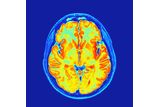
Research has revealed that medications commonly prescribed for Attention Deficit Hyperactivity Disorder (ADHD), such as Ritalin and Adderall, may not primarily target attention networks as previously believed. Instead, a study published in the journal Cell indicates these stimulants engage the brain’s reward and wakefulness centers, enhancing motivation and arousal levels. This shift in understanding could impact how clinicians approach ADHD treatment.
According to the Centers for Disease Control and Prevention (CDC), approximately 11.4 percent of children are diagnosed with ADHD, with millions relying on these medications to manage symptoms like inattentiveness and impulsivity. Researchers from the Washington University School of Medicine in St. Louis conducted a comprehensive analysis that involved MRI scans of 5,795 children aged 8 to 11 as part of the Adolescent Brain Cognitive Development (ABCD) Study.
The researchers focused on different groups during the analysis: 337 children had taken stimulants on the morning of the scan, while 76 had prescriptions but did not take their medication that day. The remaining participants had neither been prescribed stimulants nor taken them prior to the scan. The results showed minimal differences in brain regions associated with attention, such as the dorsal attention network and prefrontal cortex.
Instead, significant changes were observed in the brain areas linked to reward and wakefulness. This suggests that stimulants may primarily enhance drive and motivation rather than directly improving attention.
“We’ve shown that the improvement in attention is a secondary effect of a child being more alert and finding a task more rewarding,” said Benjamin Kay, an assistant professor of neurology at the Washington University School of Medicine. He emphasized that the traditional understanding of stimulant medications facilitating attention systems may need reevaluation.
A follow-up study involving five adults without ADHD reinforced these findings, indicating that reward and wakefulness areas of the brain “light up” in response to stimulant medication. This pattern aligns with the understanding that stimulants help children engage with tasks that might not ordinarily capture their interest.
Connections to Sleep Patterns
The ABCD Study also provided insights into the relationship between medication, sleep patterns, and academic performance. Data indicated that two groups benefited from stimulants: children diagnosed with ADHD and those who were chronically sleep-deprived, receiving less than the recommended 9 hours of sleep per night. Sleep-deprived children taking ADHD medications performed better academically than their peers who did not take medication, regardless of whether they had an ADHD diagnosis.
Conversely, stimulants did not show any significant effect on neurotypical children who received sufficient sleep. This raises important considerations for clinicians when diagnosing ADHD. “Not getting enough sleep is always bad for you, and it’s especially bad for kids,” Kay stated, pointing out that medication should not replace the need for adequate sleep.
The findings underscore the importance of evaluating sleep patterns alongside ADHD symptoms during diagnosis. Researchers caution that while medications can alleviate certain symptoms, they may also mask underlying issues related to sleep deprivation.
This groundbreaking research could reshape the understanding of how ADHD medications function, emphasizing the need for a holistic approach to treatment that includes attention to sleep health. The study encourages clinicians to incorporate sleep assessments into their evaluations of ADHD and consider the broader context of a child’s overall well-being.
This article is intended for informational purposes and not as medical advice.

Urgent Swatting Incident Ties Up Emergency Resources in Alabama

Urgent Tax Alert: Claim Your Deductions Before April 15!

Scientists Investigate Cosmic Defects: Where Are They Now?

Spring Bocce Leagues Open Registration in Rapid City

CALV Offers Essential Communication Class for Real Estate Pros

Samsung Galaxy Watch 9 Set for Larger 435mAh Battery Upgrade

Healthy Choice Wellness Reports Earnings, Stock Sees Uptick

Prince Harry Claims to Be ‘Antidote to Andrew’ Amid Royal Crisis

Pet Owners Weigh Kibble Against Fresh Dog Food Options

ALMA Discovers Companion Orbiting Giant Star π 1 Gruis

U.S. Visa Rescheduling Hits H‐1B Applicants as New Vetting Rules Take Effect

University of Hawaiʻi Joins $25.6M AI Project for Disaster Monitoring

F-22 Raptor vs. Su-57 Felon: A 2025 Fighter Jet Comparison

Recent Divorce Judgments from Iberia Parish Court Records

Ohio State Study Uncovers Brain Connectivity and Function Links

Prince Andrew Faces Fallout from Scandals and Allegations

Urgent: Flight Cancellations Loom at Texas Airports Amid Shutdown

Frank Dunn, Esteemed Builder and Community Leader, Passes Away at 89
-
 Science8 months ago
ALMA Discovers Companion Orbiting Giant Star π 1 Gruis
-
 Politics6 months ago
U.S. Visa Rescheduling Hits H‐1B Applicants as New Vetting Rules Take Effect
-
Science8 months ago
University of Hawaiʻi Joins $25.6M AI Project for Disaster Monitoring
-
 World8 months ago
F-22 Raptor vs. Su-57 Felon: A 2025 Fighter Jet Comparison
-
 Politics8 months ago
Recent Divorce Judgments from Iberia Parish Court Records
-
 Science9 months ago
Ohio State Study Uncovers Brain Connectivity and Function Links
-
 World8 months ago
Prince Andrew Faces Fallout from Scandals and Allegations
-
 Top Stories8 months ago
Urgent: Flight Cancellations Loom at Texas Airports Amid Shutdown
-
 Lifestyle8 months ago
Frank Dunn, Esteemed Builder and Community Leader, Passes Away at 89
-

 Business8 months ago
Appian Recognizes 2025 Partner Award Winners for Enterprise Innovation
-

 Entertainment6 months ago
Malachi Barton Tops Google Searches as Disney’s Rising Star of 2025
-

 Science9 months ago
Innovator Captures Light at 2 Billion Frames Per Second