
Politics
Utah Bill Strengthens Colorado River Authority Amid Negotiation Struggles

Legislation aimed at enhancing the authority of the Colorado River Authority of Utah has gained traction amid ongoing negotiations regarding water rights among seven states. House Bill 473, introduced by Rep. Scott Chew, R-Jensen, seeks to transfer the authority from the Governor’s Office to the Utah Department of Natural Resources. The bill has recently been amended to increase the authority’s power in advocating for Utah’s interests, reflecting the urgency of the situation as negotiations over the Colorado River continue to falter.
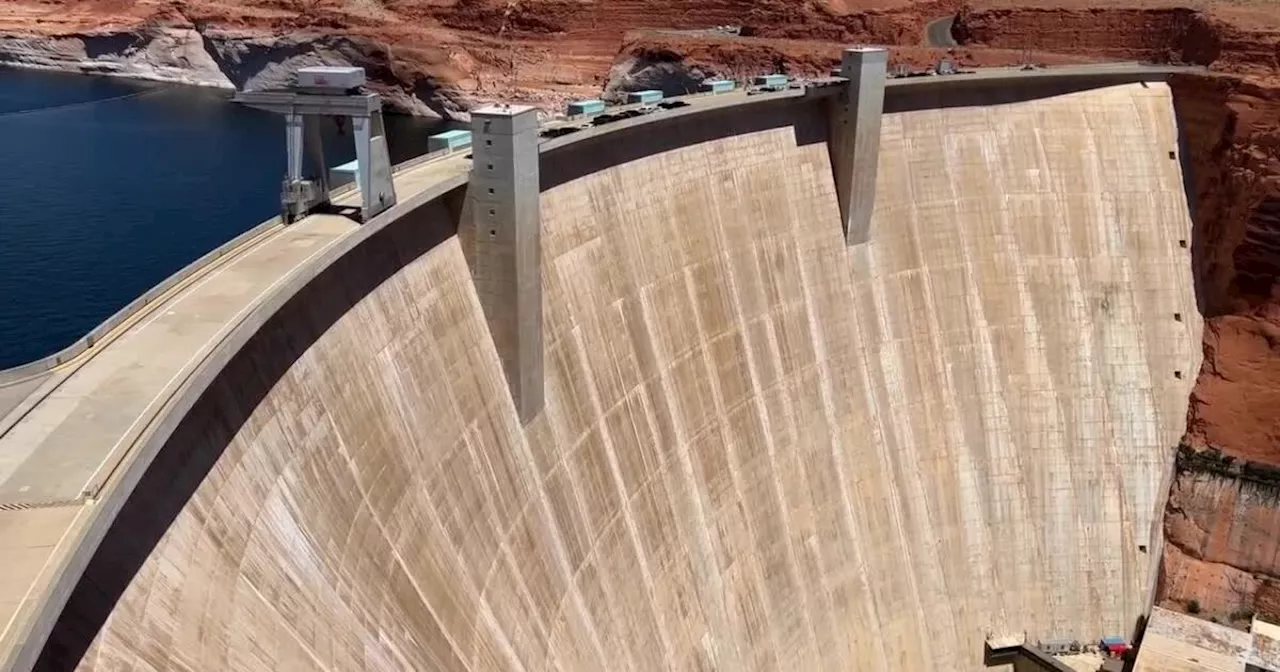
During a recent session of the Senate Natural Resources Committee, Rep. Chew addressed the challenges faced by states reliant on the Colorado River. He noted that “those of us that rely on the Colorado River, it’s put us in kind of a tough spot.” The amendment to HB473 comes following the failure to reach a new agreement by a deadline set by the Trump administration. The U.S. Bureau of Reclamation has taken steps to propose its own management strategies for the river, warning of dire hydrological conditions. Recent forecasts indicate that Lake Powell could experience a drop of 50 feet in elevation this year, raising concerns about the viability of the Glen Canyon Dam, which might cease power generation by December 2023.
As negotiations stall, states like Utah are preparing for potential legal battles, with lawmakers expressing their concern about the future of water distribution. Sen. Nate Blouin, D-Salt Lake City, questioned the removal of language regarding the authority’s mission to protect and conserve Colorado River water, emphasizing the importance of maintaining a conservation mandate. In response, Cody Stewart from the Colorado River Authority argued that such language was “duplicative” and that protecting Utah’s water rights inherently involves conservation.
Public sentiment surrounding the changes in HB473 is mixed. During a public comment session, Cecily Ross criticized the amendments, arguing that removing conservation mandates could undermine Utah’s credibility with other states. Conversely, Joel Ferry, executive director of the Utah Department of Natural Resources, voiced support for the bill, asserting that it would provide essential resources and manpower for the Colorado River Authority.
The Senate committee approved HB473, which is now awaiting a vote from the full Senate. Sen. David Hinkins, R-Ferron, acknowledged the need for conservation, stating, “We’re going to be forced to conserve because we’re going to have a whole lot less water,” particularly in light of potential legal challenges from downstream states.
Following the missed deadline, Gene Shawcroft, Colorado River Commissioner for Utah, highlighted ongoing discussions among states about alternative options. He refuted claims from Lower Basin states that the Upper Basin states, including Utah, had failed to propose viable conservation solutions. Shawcroft pointed out that offers had been made but rejected during negotiations.
As the existing agreement approaches its expiration in October 2023, states are shifting their focus from long-term plans to immediate survival strategies for the next year or two. Shawcroft indicated that future discussions would center on how to navigate the current hydrological crisis characterized by low reservoir levels and an uncharacteristically warm winter.
The situation surrounding the Colorado River remains critical as states prepare for potential water shortages and legal disputes. With legislative efforts underway in Utah, the ramifications of these negotiations will undoubtedly have a lasting impact on water distribution across the Western United States.

Urgent Swatting Incident Ties Up Emergency Resources in Alabama

Urgent Tax Alert: Claim Your Deductions Before April 15!

Scientists Investigate Cosmic Defects: Where Are They Now?

Spring Bocce Leagues Open Registration in Rapid City

CALV Offers Essential Communication Class for Real Estate Pros

Samsung Galaxy Watch 9 Set for Larger 435mAh Battery Upgrade

Healthy Choice Wellness Reports Earnings, Stock Sees Uptick

Prince Harry Claims to Be ‘Antidote to Andrew’ Amid Royal Crisis

Pet Owners Weigh Kibble Against Fresh Dog Food Options

ALMA Discovers Companion Orbiting Giant Star π 1 Gruis

U.S. Visa Rescheduling Hits H‐1B Applicants as New Vetting Rules Take Effect

University of Hawaiʻi Joins $25.6M AI Project for Disaster Monitoring

F-22 Raptor vs. Su-57 Felon: A 2025 Fighter Jet Comparison

Ohio State Study Uncovers Brain Connectivity and Function Links

Recent Divorce Judgments from Iberia Parish Court Records

Prince Andrew Faces Fallout from Scandals and Allegations

Urgent: Flight Cancellations Loom at Texas Airports Amid Shutdown

Frank Dunn, Esteemed Builder and Community Leader, Passes Away at 89
-
 Science8 months ago
ALMA Discovers Companion Orbiting Giant Star π 1 Gruis
-
 Politics6 months ago
U.S. Visa Rescheduling Hits H‐1B Applicants as New Vetting Rules Take Effect
-
Science8 months ago
University of Hawaiʻi Joins $25.6M AI Project for Disaster Monitoring
-
 World8 months ago
F-22 Raptor vs. Su-57 Felon: A 2025 Fighter Jet Comparison
-
 Science8 months ago
Ohio State Study Uncovers Brain Connectivity and Function Links
-
 Politics8 months ago
Recent Divorce Judgments from Iberia Parish Court Records
-
 World8 months ago
Prince Andrew Faces Fallout from Scandals and Allegations
-
 Top Stories8 months ago
Urgent: Flight Cancellations Loom at Texas Airports Amid Shutdown
-
 Lifestyle8 months ago
Frank Dunn, Esteemed Builder and Community Leader, Passes Away at 89
-

 Business8 months ago
Appian Recognizes 2025 Partner Award Winners for Enterprise Innovation
-

 Entertainment6 months ago
Malachi Barton Tops Google Searches as Disney’s Rising Star of 2025
-

 Science9 months ago
Innovator Captures Light at 2 Billion Frames Per Second