
Politics
Trust in Presidential Pardons Erodes as Controversy Grows

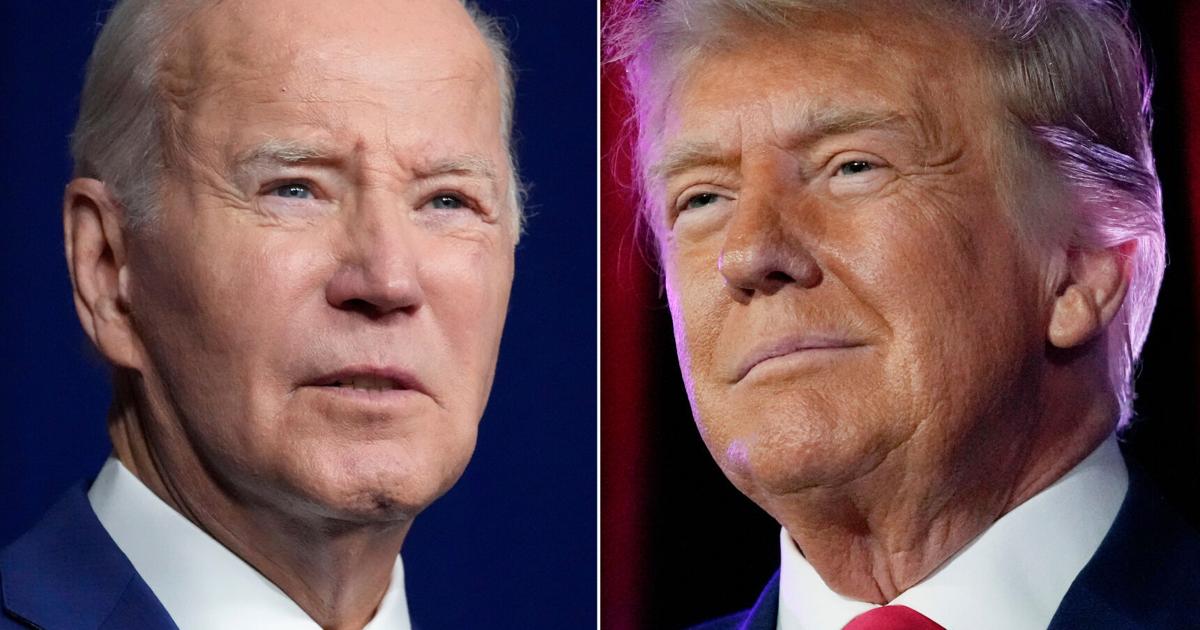
The integrity of presidential pardons is increasingly being questioned, raising concerns about the balance of power in the United States. Recent discussions have highlighted a growing sentiment that presidents can no longer be trusted to wield this significant power responsibly. This shift in public opinion reflects deeper issues surrounding political accountability and the effectiveness of the checks and balances system.
Historical Context of Presidential Pardons
Presidential pardons have long been a contentious aspect of U.S. governance. The framers of the Constitution intended for this power to serve as a mechanism for mercy and justice. However, as political landscapes evolve, the motivations behind pardons have come under scrutiny. Critics argue that recent actions by sitting presidents demonstrate a trend toward partisan use of this power, undermining its intended purpose.
Prominent commentators, including political analyst Jonah Goldberg, have voiced concerns regarding the implications of these developments. Goldberg suggests that the erosion of trust in the pardons process reflects a broader crisis of confidence in political institutions. As the public witnesses pardons being granted to individuals with questionable motivations, the foundational principles of justice and fairness are at risk of being compromised.
Impact on Public Trust and Accountability
The recent pardons granted by various administrations have raised alarms about the potential for abuse of power. Observers note that when presidents use pardons to benefit allies or political supporters, it raises questions about the integrity of the justice system. This perception can lead to a significant decline in public trust, as citizens may feel that the legal system favors the powerful over the average person.
In response to these growing concerns, calls for reform are gaining traction. Advocates for change are urging lawmakers to consider mechanisms that would enhance oversight of the pardons process. Suggestions include establishing a bipartisan commission to review and recommend pardons, ensuring that the process remains transparent and accountable.
While the system of checks and balances is designed to prevent abuses of power, it appears that the current framework may not be sufficient to maintain public confidence in the presidency. As discussions continue, it is essential to evaluate how to restore faith in the integrity of the pardons process and, by extension, the political system as a whole.
The debate over presidential pardons is emblematic of wider issues facing democracy today. If trust continues to erode, the implications for the justice system and political integrity could be profound. As the nation grapples with these challenges, the future of presidential pardons remains uncertain, demanding careful consideration and potential reform.

Urgent Swatting Incident Ties Up Emergency Resources in Alabama

Urgent Tax Alert: Claim Your Deductions Before April 15!

Scientists Investigate Cosmic Defects: Where Are They Now?

Spring Bocce Leagues Open Registration in Rapid City

CALV Offers Essential Communication Class for Real Estate Pros

Samsung Galaxy Watch 9 Set for Larger 435mAh Battery Upgrade

Healthy Choice Wellness Reports Earnings, Stock Sees Uptick

Prince Harry Claims to Be ‘Antidote to Andrew’ Amid Royal Crisis

Pet Owners Weigh Kibble Against Fresh Dog Food Options

ALMA Discovers Companion Orbiting Giant Star π 1 Gruis

U.S. Visa Rescheduling Hits H‐1B Applicants as New Vetting Rules Take Effect

University of Hawaiʻi Joins $25.6M AI Project for Disaster Monitoring

F-22 Raptor vs. Su-57 Felon: A 2025 Fighter Jet Comparison

Recent Divorce Judgments from Iberia Parish Court Records

Urgent: Flight Cancellations Loom at Texas Airports Amid Shutdown

Ohio State Study Uncovers Brain Connectivity and Function Links

Frank Dunn, Esteemed Builder and Community Leader, Passes Away at 89

Appian Recognizes 2025 Partner Award Winners for Enterprise Innovation
-
 Science9 months ago
ALMA Discovers Companion Orbiting Giant Star π 1 Gruis
-
 Politics7 months ago
U.S. Visa Rescheduling Hits H‐1B Applicants as New Vetting Rules Take Effect
-
Science10 months ago
University of Hawaiʻi Joins $25.6M AI Project for Disaster Monitoring
-
 World10 months ago
F-22 Raptor vs. Su-57 Felon: A 2025 Fighter Jet Comparison
-
 Politics9 months ago
Recent Divorce Judgments from Iberia Parish Court Records
-
 Top Stories10 months ago
Urgent: Flight Cancellations Loom at Texas Airports Amid Shutdown
-
 Science10 months ago
Ohio State Study Uncovers Brain Connectivity and Function Links
-
 Lifestyle10 months ago
Frank Dunn, Esteemed Builder and Community Leader, Passes Away at 89
-
 Business9 months ago
Appian Recognizes 2025 Partner Award Winners for Enterprise Innovation
-

 World10 months ago
Prince Andrew Faces Fallout from Scandals and Allegations
-

 Entertainment8 months ago
Malachi Barton Tops Google Searches as Disney’s Rising Star of 2025
-
 Top Stories9 months ago
Republican Matt Van Epps Wins Tennessee Special Election