
Politics
Trust Erodes Post-COVID: A Call for Critical Thinking in Society

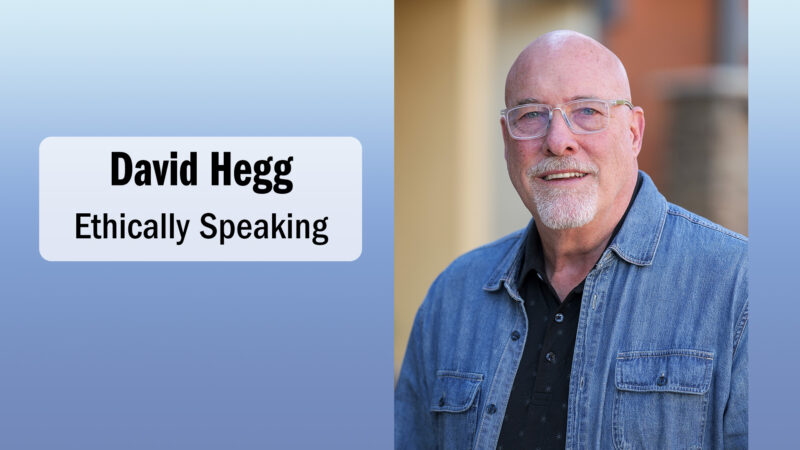
The COVID-19 pandemic significantly impacted societal trust, leading to widespread skepticism regarding information sources and public health measures. As communities grapple with the aftermath, many individuals are questioning the reliability of everything from news reports to government mandates, according to local resident and senior pastor of Grace Baptist Church, David Hegg.
Hegg argues that the pandemic did not merely challenge health systems but fundamentally altered how people perceive truth and information. He emphasizes that the growing divide within society has prompted individuals to selectively accept information that aligns with their beliefs, often disregarding opposing viewpoints.
Societal Division and Its Impact on Trust
The phenomenon of selective belief has become increasingly evident, with many individuals consuming news that reinforces their existing views. Hegg points to the contrasting narratives presented by various media outlets, such as Fox News and MSNBC. Those on the right often accept information from Fox while rejecting viewpoints from sources like MSNBC, and vice versa for the left.
This polarization has led to a significant challenge in critical thinking, as individuals may no longer engage with differing perspectives. Hegg warns that this “my side is always right” mentality could undermine the ability to critically evaluate information, which is essential in navigating complex societal issues.
In his opinion column, Hegg provides several suggestions to counteract this trend. He encourages readers to identify and disregard signs of bias, such as personal insults and ridicule. Recognizing fallacious arguments is crucial in fostering a more informed and rational dialogue.
Encouraging Open Dialogue and Critical Assessment
Hegg stresses the importance of verifying facts rather than accepting them at face value. He recommends that individuals take time to assess whether the conclusions drawn from presented facts are reasonable. Moreover, he urges people to break the habit of only consuming news that aligns with their preferences.
As the New Year approaches, Hegg advocates for focusing on local issues rather than becoming overly preoccupied with national politics. He highlights that while voting and civic engagement are essential, working collaboratively on nonpartisan community issues can yield more immediate benefits.
The call to action is clear: fostering constructive dialogue across political divides can lead to a more unified society. Hegg expresses hope that in 2026, individuals may find greater clarity and progress by moving towards mutual understanding rather than divisiveness.
In conclusion, as communities continue to heal from the effects of the pandemic, the emphasis on critical thinking and open dialogue remains vital. Hegg’s insights serve as a reminder that the ability to engage with differing viewpoints is crucial for fostering a more informed and cohesive society.

Urgent Swatting Incident Ties Up Emergency Resources in Alabama

Urgent Tax Alert: Claim Your Deductions Before April 15!

Scientists Investigate Cosmic Defects: Where Are They Now?

Spring Bocce Leagues Open Registration in Rapid City

CALV Offers Essential Communication Class for Real Estate Pros

Samsung Galaxy Watch 9 Set for Larger 435mAh Battery Upgrade

Healthy Choice Wellness Reports Earnings, Stock Sees Uptick

Prince Harry Claims to Be ‘Antidote to Andrew’ Amid Royal Crisis

Pet Owners Weigh Kibble Against Fresh Dog Food Options

ALMA Discovers Companion Orbiting Giant Star π 1 Gruis

U.S. Visa Rescheduling Hits H‐1B Applicants as New Vetting Rules Take Effect

University of Hawaiʻi Joins $25.6M AI Project for Disaster Monitoring

F-22 Raptor vs. Su-57 Felon: A 2025 Fighter Jet Comparison

Ohio State Study Uncovers Brain Connectivity and Function Links

Recent Divorce Judgments from Iberia Parish Court Records

Prince Andrew Faces Fallout from Scandals and Allegations

Urgent: Flight Cancellations Loom at Texas Airports Amid Shutdown

Frank Dunn, Esteemed Builder and Community Leader, Passes Away at 89
-
 Science8 months ago
ALMA Discovers Companion Orbiting Giant Star π 1 Gruis
-
 Politics6 months ago
U.S. Visa Rescheduling Hits H‐1B Applicants as New Vetting Rules Take Effect
-
Science8 months ago
University of Hawaiʻi Joins $25.6M AI Project for Disaster Monitoring
-
 World8 months ago
F-22 Raptor vs. Su-57 Felon: A 2025 Fighter Jet Comparison
-
 Science8 months ago
Ohio State Study Uncovers Brain Connectivity and Function Links
-
 Politics8 months ago
Recent Divorce Judgments from Iberia Parish Court Records
-
 World8 months ago
Prince Andrew Faces Fallout from Scandals and Allegations
-
 Top Stories8 months ago
Urgent: Flight Cancellations Loom at Texas Airports Amid Shutdown
-
 Lifestyle8 months ago
Frank Dunn, Esteemed Builder and Community Leader, Passes Away at 89
-

 Business8 months ago
Appian Recognizes 2025 Partner Award Winners for Enterprise Innovation
-

 Entertainment6 months ago
Malachi Barton Tops Google Searches as Disney’s Rising Star of 2025
-

 Science9 months ago
Innovator Captures Light at 2 Billion Frames Per Second