
Politics
Trump Targets Opponents with Domestic Terrorism Label

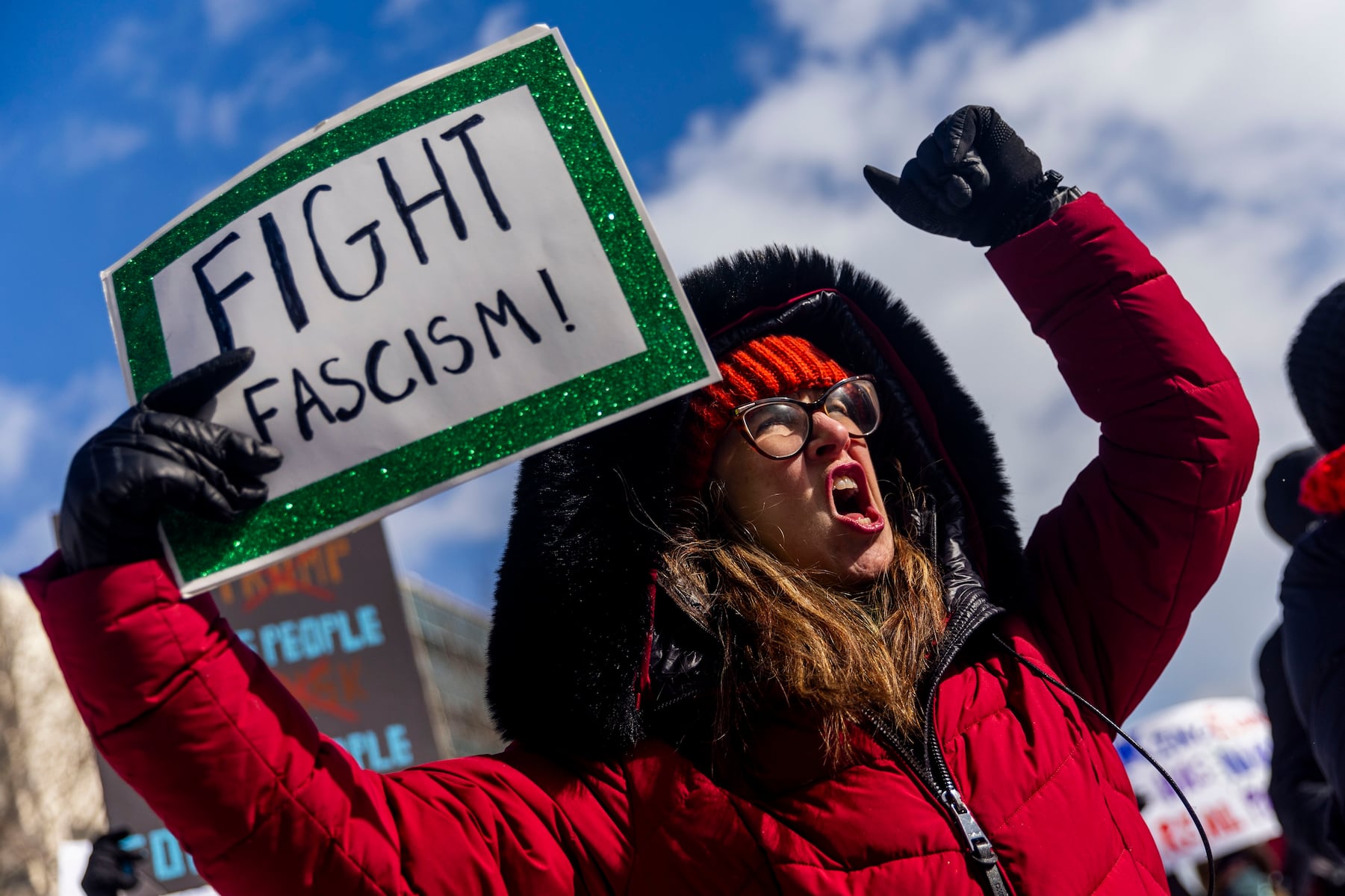
President Donald Trump has issued a national security memorandum that seeks to investigate and prosecute individuals and organizations labeled as “domestic terrorists.” This directive, outlined in Federal Register Document 2025-19141, aims to address what the administration describes as an “assault against democratic institutions, constitutional rights, and fundamental civil liberties.” Critics argue that the order primarily targets those who oppose Trump’s governance.
The memorandum suggests that individuals demonstrating “hostility towards those who hold traditional American views on family, religion, and morality” may face investigation. The administration claims these individuals are part of a broader network attempting to “foment political violence” and disrupt the democratic process. This approach has raised significant concerns regarding civil liberties and the potential misuse of governmental power.
In a notable reaction to this policy, former FBI Director James Comey was indicted shortly after the memorandum was issued. Reports indicate that the case against him lacked substantial evidence, prompting multiple Justice Department lawyers to resign or be dismissed rather than participate in what they viewed as a politically motivated prosecution. Such developments have intensified fears that the administration is leveraging federal authority to silence dissent and threaten nonprofit organizations and their members.
Critics are calling this approach a form of authoritarianism that is inconsistent with American democratic values. Activist Peter Zito from Akron has publicly condemned the administration’s tactics, urging citizens to resist what he describes as an attack on freedom. In a letter to the editor, Zito emphasizes the need for public engagement, encouraging participation in pro-democracy rallies and urging members of the Republican Party to oppose the administration’s measures.
As political tensions rise, the implications of this national security memorandum extend beyond legal ramifications. Many fear that labeling opponents as “domestic terrorists” could create a chilling effect on free speech, stifling diverse opinions and undermining the principles of a democratic society. The situation remains fluid, with ongoing debates about the balance between national security and the protection of civil liberties.
The future of political discourse in the United States may hinge on how lawmakers, particularly those in Congress, respond to this controversial directive. As the dialogue continues, the call for active resistance and the preservation of democratic ideals grows louder among citizens concerned about their freedoms.

Urgent Swatting Incident Ties Up Emergency Resources in Alabama

Urgent Tax Alert: Claim Your Deductions Before April 15!

Scientists Investigate Cosmic Defects: Where Are They Now?

Spring Bocce Leagues Open Registration in Rapid City

CALV Offers Essential Communication Class for Real Estate Pros

Samsung Galaxy Watch 9 Set for Larger 435mAh Battery Upgrade

Healthy Choice Wellness Reports Earnings, Stock Sees Uptick

Prince Harry Claims to Be ‘Antidote to Andrew’ Amid Royal Crisis

Pet Owners Weigh Kibble Against Fresh Dog Food Options

ALMA Discovers Companion Orbiting Giant Star π 1 Gruis

U.S. Visa Rescheduling Hits H‐1B Applicants as New Vetting Rules Take Effect

University of Hawaiʻi Joins $25.6M AI Project for Disaster Monitoring

F-22 Raptor vs. Su-57 Felon: A 2025 Fighter Jet Comparison

Ohio State Study Uncovers Brain Connectivity and Function Links

Recent Divorce Judgments from Iberia Parish Court Records

Prince Andrew Faces Fallout from Scandals and Allegations

Urgent: Flight Cancellations Loom at Texas Airports Amid Shutdown

Frank Dunn, Esteemed Builder and Community Leader, Passes Away at 89
-
 Science8 months ago
ALMA Discovers Companion Orbiting Giant Star π 1 Gruis
-
 Politics6 months ago
U.S. Visa Rescheduling Hits H‐1B Applicants as New Vetting Rules Take Effect
-
Science8 months ago
University of Hawaiʻi Joins $25.6M AI Project for Disaster Monitoring
-
 World8 months ago
F-22 Raptor vs. Su-57 Felon: A 2025 Fighter Jet Comparison
-
 Science8 months ago
Ohio State Study Uncovers Brain Connectivity and Function Links
-
 Politics8 months ago
Recent Divorce Judgments from Iberia Parish Court Records
-
 World8 months ago
Prince Andrew Faces Fallout from Scandals and Allegations
-
 Top Stories8 months ago
Urgent: Flight Cancellations Loom at Texas Airports Amid Shutdown
-
 Lifestyle8 months ago
Frank Dunn, Esteemed Builder and Community Leader, Passes Away at 89
-

 Business8 months ago
Appian Recognizes 2025 Partner Award Winners for Enterprise Innovation
-

 Entertainment6 months ago
Malachi Barton Tops Google Searches as Disney’s Rising Star of 2025
-

 Science9 months ago
Innovator Captures Light at 2 Billion Frames Per Second