
Politics
Supreme Court Questions Trump’s Tariff Authority in Landmark Hearing

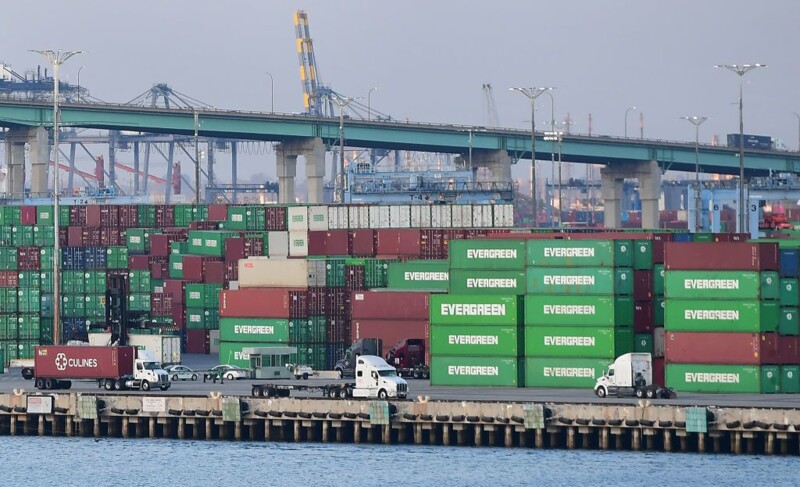
On November 5, 2023, the United States Supreme Court held a crucial hearing that scrutinized former President Donald Trump‘s attempt to impose tariffs using emergency economic powers. A majority of justices expressed skepticism over Trump’s legal justification for these tariffs, which aim to target nearly every country globally, raising concerns about their legality and implications for the global economy.
Trump’s administration has claimed that a “trade deficit emergency” justifies these tariffs, a notion that many legal experts and lower court judges have already deemed unlawful. Critics argue that this approach undermines Congress’s authority to raise revenue and disrupts traditional economic practices. The concern is that if the executive branch can unilaterally impose such tariffs, it risks eroding the established system of checks and balances that governs U.S. governance.
Legal Implications of Tariff Powers
Solicitor General John Sauer has defended the tariffs as necessary to address a supposed emergency affecting the American economy. Yet, the justices have questioned what exactly constitutes this emergency. Many observers highlight the lack of a coherent explanation from the executive branch regarding the adverse effects of a trade deficit on American consumers and businesses.
The argument that the U.S. should either maintain equal trade relations or achieve a trade surplus with every nation has been met with skepticism. Critics label this position as unrealistic and disconnected from economic realities. They assert that trade deficits, in themselves, are not inherently harmful and do not reflect a failure of economic policy.
Legal scholars have pointed out that previous court rulings have consistently upheld the principle that the executive branch cannot overreach its constitutional powers. The justices’ deliberations suggest a potential willingness to uphold this principle, even as the political landscape remains fraught with tension.
Concerns About Executive Overreach
As the Supreme Court grapples with this case, the implications extend beyond tariffs. Allowing a president to dictate economic policy through unilateral actions could lead to significant shifts in the balance of power among the branches of government. Legal analysts argue that such a precedent would enable future administrations to bypass Congress, fundamentally altering the legislative landscape.
Trump’s history of challenging judicial decisions and suggesting ways to circumvent unfavorable rulings further illustrates his disregard for established legal frameworks. This behavior raises alarms about the potential for executive overreach in the future.
The discussion surrounding these tariffs is not merely a legal matter but also a reflection of broader economic policies and their impact on American consumers. As the Supreme Court prepares to make a ruling, the outcome could define the limits of executive power and set critical precedents for the future of American governance.
This editorial reflects the views of the New York Daily News Editorial Board. Public opinion remains divided on the issue, with many advocating for a reevaluation of trade policies to better align with contemporary economic realities.

Urgent Swatting Incident Ties Up Emergency Resources in Alabama

Urgent Tax Alert: Claim Your Deductions Before April 15!

Scientists Investigate Cosmic Defects: Where Are They Now?

Spring Bocce Leagues Open Registration in Rapid City

CALV Offers Essential Communication Class for Real Estate Pros

Samsung Galaxy Watch 9 Set for Larger 435mAh Battery Upgrade

Healthy Choice Wellness Reports Earnings, Stock Sees Uptick

Prince Harry Claims to Be ‘Antidote to Andrew’ Amid Royal Crisis

Pet Owners Weigh Kibble Against Fresh Dog Food Options

ALMA Discovers Companion Orbiting Giant Star π 1 Gruis

U.S. Visa Rescheduling Hits H‐1B Applicants as New Vetting Rules Take Effect

University of Hawaiʻi Joins $25.6M AI Project for Disaster Monitoring

F-22 Raptor vs. Su-57 Felon: A 2025 Fighter Jet Comparison

Recent Divorce Judgments from Iberia Parish Court Records

Urgent: Flight Cancellations Loom at Texas Airports Amid Shutdown

Ohio State Study Uncovers Brain Connectivity and Function Links

Frank Dunn, Esteemed Builder and Community Leader, Passes Away at 89

Appian Recognizes 2025 Partner Award Winners for Enterprise Innovation
-
 Science9 months ago
ALMA Discovers Companion Orbiting Giant Star π 1 Gruis
-
 Politics7 months ago
U.S. Visa Rescheduling Hits H‐1B Applicants as New Vetting Rules Take Effect
-
Science10 months ago
University of Hawaiʻi Joins $25.6M AI Project for Disaster Monitoring
-
 World10 months ago
F-22 Raptor vs. Su-57 Felon: A 2025 Fighter Jet Comparison
-
 Politics9 months ago
Recent Divorce Judgments from Iberia Parish Court Records
-
 Top Stories10 months ago
Urgent: Flight Cancellations Loom at Texas Airports Amid Shutdown
-
 Science10 months ago
Ohio State Study Uncovers Brain Connectivity and Function Links
-
 Lifestyle10 months ago
Frank Dunn, Esteemed Builder and Community Leader, Passes Away at 89
-
 Business9 months ago
Appian Recognizes 2025 Partner Award Winners for Enterprise Innovation
-

 World10 months ago
Prince Andrew Faces Fallout from Scandals and Allegations
-

 Entertainment8 months ago
Malachi Barton Tops Google Searches as Disney’s Rising Star of 2025
-

 Top Stories9 months ago
Republican Matt Van Epps Wins Tennessee Special Election