
Politics
Navigating the Complex Role of Narcissism in Modern Society

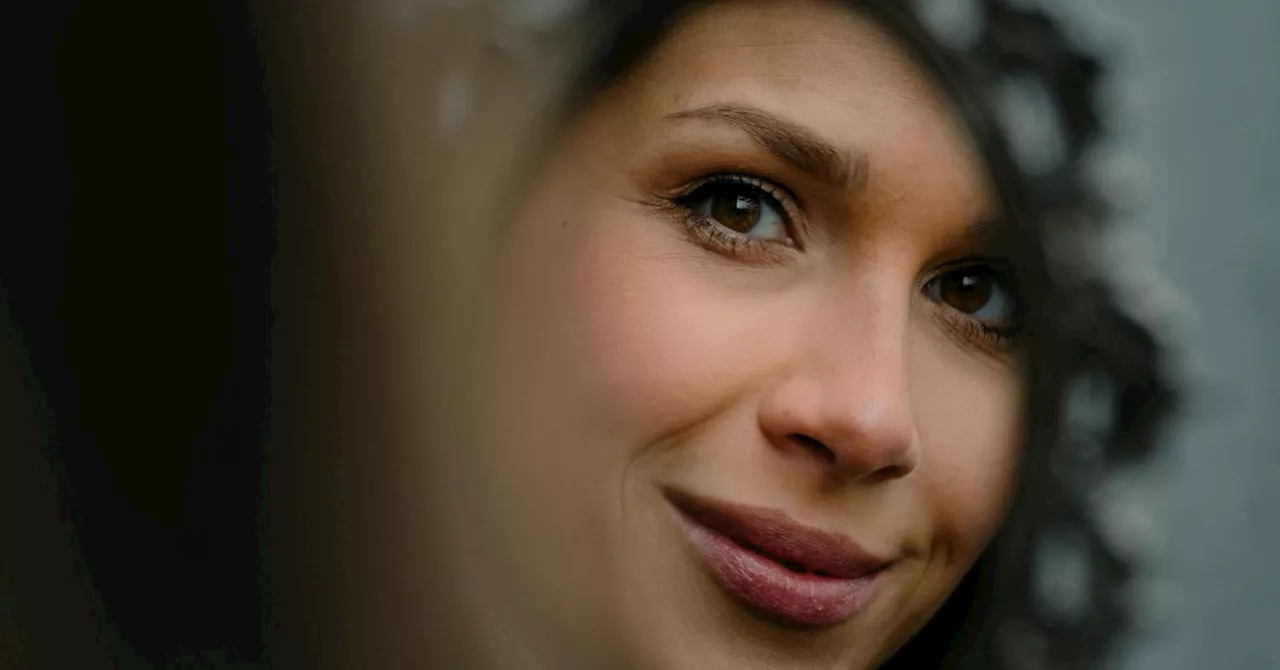
Narcissism has emerged as a significant topic of discussion, especially in the context of personal relationships, workplace dynamics, and media influence. While often viewed negatively, recent insights suggest that a balanced approach to narcissism can offer advantages in various areas of life.
The term “narcissist” is frequently used to describe individuals who exhibit self-centered behaviors, from toxic bosses to controversial politicians. This label can simplify complex interpersonal dynamics, but it also risks oversimplifying the traits that can be beneficial when harnessed appropriately. Understanding the nuances of narcissism can enhance our interactions and self-awareness.
Some degree of narcissistic behavior is adaptive. Non-pathological narcissism includes traits associated with successful individuals, such as self-confidence and the ability to articulate personal achievements. For instance, a colleague who confidently pitches ideas or a community leader who can galvanize support for a cause demonstrates a healthy level of self-focus. These behaviors are essential for achieving goals and fostering collaboration.
The challenge arises when environments reward confidence over actual competence. In today’s fast-paced world, social media platforms have transformed how individuals seek status and attention. Traditional markers of expertise, such as education and peer review, have been overshadowed by the ability to go viral. This shift has led to a culture where those who can maintain a confident façade often outshine those who express uncertainty or adapt their views based on new information.
The rise of performative confidence creates a paradox. Individuals may feel pressured to project authority rather than demonstrate genuine knowledge. This dynamic can disadvantage neurodivergent individuals and others who may not thrive in environments that prioritize theatrical displays of certainty.
As people navigate these challenges, the concept of “fake it ’til you make it” can serve as a double-edged sword. While adopting confident behavior can help in developing a deeper sense of self-assurance, it may also lead to feelings of inauthenticity. Research indicates that individuals can modify their personalities through reflection and the practice of new behaviors aligned with desired traits, blurring the lines between genuine confidence and performative displays.
The terminology surrounding narcissism has gained prominence, with many using it to describe power dynamics in relationships. While increased psychological literacy can help identify harmful behaviors, it can also escalate conflicts. When discussions around narcissism become factionalized, they can hinder genuine dialogue and mutual understanding.
In relationships, the focus should not solely be on whether someone is a narcissist, but rather on understanding the dynamics at play. Questions about what the relationship serves and how it is maintained are crucial. Setting boundaries, demanding reciprocity, and valuing vulnerability can shift the focus from labels to constructive engagement.
When consuming media, it is essential to discern when emotional engagement is prioritized over informative content. Individuals should ask whether the information presented is verifiable or simply designed to instill confidence in complex issues. Engaging with content that embraces uncertainty and demonstrates intellectual humility can cultivate a healthier media landscape.
The current landscape amplifies traits associated with narcissism while diminishing the checks and balances that traditionally tethered these behaviors to accountability. The objective is not to eliminate ambition or confidence but to foster environments where self-regard is open to feedback and growth. Prioritizing demonstrated competence over mere theatricality can lead to more meaningful interactions and better outcomes in various spheres of life.
As society continues to grapple with the implications of narcissism, it is vital to approach the subject with nuance and understanding. Recognizing the potential benefits of healthy narcissism, while also addressing its pitfalls, can promote healthier relationships and a more accountable public discourse.

White House Press Secretary Karoline Leavitt Faces Backlash Over Remarks

A. O. Smith Declares Quarterly Dividend of $0.36 per Share

Jana Kramer Discusses Personal Connection to Ashley Tisdale’s Essay

YouTuber Investigates Alleged $9 Billion Fraud in Minnesota

Soshi Otsuki Unveils Innovative Menswear Collection at Pitti

Navigating the Complex Role of Narcissism in Modern Society

Researchers Unveil Breakthrough in Perovskite Display Technology

Trump’s Greenland Control Bid Slammed as ‘Catastrophic’ for NATO

Chris Vargas Lands 11th Football Scholarship Offer from Michigan

F-22 Raptor vs. Su-57 Felon: A 2025 Fighter Jet Comparison

ALMA Discovers Companion Orbiting Giant Star π 1 Gruis

University of Hawaiʻi Joins $25.6M AI Project for Disaster Monitoring

Innovator Captures Light at 2 Billion Frames Per Second

Ohio State Study Uncovers Brain Connectivity and Function Links

Hamas Chief Stresses Disarmament Tied to Occupation’s End

Megan Thee Stallion Exposes Alleged Online Attack by Bots

Researchers Challenge 200-Year-Old Physics Principle with Atomic Engines

Paloma Elsesser Shines at LA Event with Iconic Slicked-Back Bun
-
 World3 months ago
F-22 Raptor vs. Su-57 Felon: A 2025 Fighter Jet Comparison
-
 Science2 months ago
ALMA Discovers Companion Orbiting Giant Star π 1 Gruis
-
Science2 months ago
University of Hawaiʻi Joins $25.6M AI Project for Disaster Monitoring
-
 Science3 months ago
Innovator Captures Light at 2 Billion Frames Per Second
-
 Science3 months ago
Ohio State Study Uncovers Brain Connectivity and Function Links
-
 Politics3 months ago
Hamas Chief Stresses Disarmament Tied to Occupation’s End
-
 Entertainment3 months ago
Megan Thee Stallion Exposes Alleged Online Attack by Bots
-
 Science3 months ago
Researchers Challenge 200-Year-Old Physics Principle with Atomic Engines
-
 Entertainment3 months ago
Paloma Elsesser Shines at LA Event with Iconic Slicked-Back Bun
-

 World3 months ago
FDA Unveils Plan to Cut Drug Prices and Boost Biosimilars
-

 Entertainment3 months ago
Beloved Artist and Community Leader Gloria Rosencrants Passes Away
-

 Business3 months ago
Motley Fool Wealth Management Reduces Medtronic Holdings by 14.7%