
Politics
Navigating Friendships: One Woman’s Struggle with Exclusion

A woman recently shared her experience of feeling excluded from a friend group despite having close connections with two members. After a long career of 38 years in the military and the Department of Defense, she relocated eight years ago and became friends with a woman who introduced her to a larger circle of friends. This group consists of approximately 19 women, but the woman has not been included in the group’s main communication channel. Instead, she finds herself informed about events through her two close friends who often invite her to join them when they notice her absence from gatherings.
The woman expressed her discomfort in feeling like an outsider, stating that while she enjoys attending events with her close friends, it feels awkward to join activities she hasn’t been formally invited to. Although the larger group appears friendly, she senses that her relationship with them is primarily through her two friends, rather than as a fully integrated member of the circle.
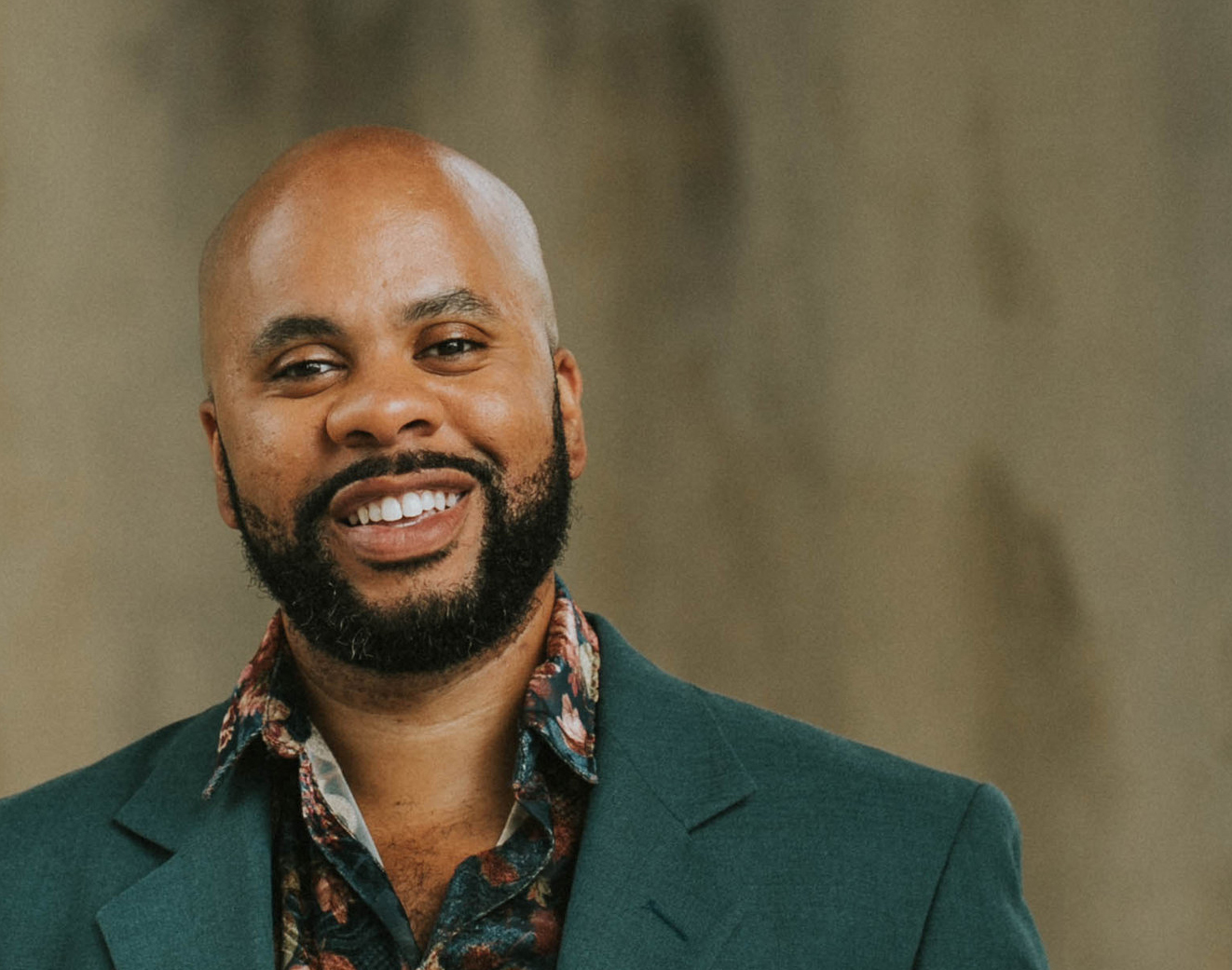
Eric Thomas, a columnist who offers advice on interpersonal relationships, responded to her concerns, acknowledging that navigating friendships can be challenging at any age. He explained that while her friends’ invitations are well-intentioned, the established group has its own dynamics. To foster a sense of belonging, he suggested that she cultivate friendships with other women in the group, even if those connections are small.
One effective approach he recommended is reaching out to other members of the group for informal meet-ups, such as a cup of tea or lunch. This strategy can help her build individual relationships, making her inclusion in the group feel more organic. Thomas emphasized that many people in social circles share similar feelings of awkwardness, and by actively engaging with others, she can begin to establish her own presence within the group.
In another letter, a reader wrote about the challenge of addressing holiday cards to families where wives have opted not to take their husbands’ surnames. The writer was unsure how to acknowledge families correctly when sending greetings. Thomas advised a flexible approach, suggesting the use of names that include both parties, such as “Mr. John Smith & Ms. Jane Doe & Family.” He also provided alternatives like “Smith-Doe Family” or “The Smith and Doe Family” to ensure inclusivity.
Additionally, another letter highlighted the struggles of a wife who spends excessive time online, leading her husband to feel overwhelmed by household responsibilities. The writer connected to the issue, revealing her own battles with anxiety and stress that result in avoidance of chores. Thomas encouraged the husband to engage his wife in conversation about her well-being, pointing out that the division of labor in households can often mask deeper issues, such as mental health challenges.
As people navigate friendships and family dynamics, Thomas’s insights offer valuable perspectives on communication and connection. By addressing these concerns openly, individuals can work towards creating more balanced and inclusive relationships.
For further advice or to submit questions, readers can contact R. Eric Thomas at [email protected] or P.O. Box 22474, Philadelphia, PA 19110. He also shares insights through his weekly newsletter at rericthomas.com and on social media platforms.

Urgent Swatting Incident Ties Up Emergency Resources in Alabama

Urgent Tax Alert: Claim Your Deductions Before April 15!

Scientists Investigate Cosmic Defects: Where Are They Now?

Spring Bocce Leagues Open Registration in Rapid City

CALV Offers Essential Communication Class for Real Estate Pros

Samsung Galaxy Watch 9 Set for Larger 435mAh Battery Upgrade

Healthy Choice Wellness Reports Earnings, Stock Sees Uptick

Prince Harry Claims to Be ‘Antidote to Andrew’ Amid Royal Crisis

Pet Owners Weigh Kibble Against Fresh Dog Food Options

ALMA Discovers Companion Orbiting Giant Star π 1 Gruis

U.S. Visa Rescheduling Hits H‐1B Applicants as New Vetting Rules Take Effect

University of Hawaiʻi Joins $25.6M AI Project for Disaster Monitoring

F-22 Raptor vs. Su-57 Felon: A 2025 Fighter Jet Comparison

Ohio State Study Uncovers Brain Connectivity and Function Links

Recent Divorce Judgments from Iberia Parish Court Records

Prince Andrew Faces Fallout from Scandals and Allegations

Urgent: Flight Cancellations Loom at Texas Airports Amid Shutdown

Frank Dunn, Esteemed Builder and Community Leader, Passes Away at 89
-
 Science8 months ago
ALMA Discovers Companion Orbiting Giant Star π 1 Gruis
-
 Politics6 months ago
U.S. Visa Rescheduling Hits H‐1B Applicants as New Vetting Rules Take Effect
-
Science8 months ago
University of Hawaiʻi Joins $25.6M AI Project for Disaster Monitoring
-
 World8 months ago
F-22 Raptor vs. Su-57 Felon: A 2025 Fighter Jet Comparison
-
 Science8 months ago
Ohio State Study Uncovers Brain Connectivity and Function Links
-
 Politics8 months ago
Recent Divorce Judgments from Iberia Parish Court Records
-
 World8 months ago
Prince Andrew Faces Fallout from Scandals and Allegations
-
 Top Stories8 months ago
Urgent: Flight Cancellations Loom at Texas Airports Amid Shutdown
-
 Lifestyle8 months ago
Frank Dunn, Esteemed Builder and Community Leader, Passes Away at 89
-

 Business8 months ago
Appian Recognizes 2025 Partner Award Winners for Enterprise Innovation
-

 Entertainment6 months ago
Malachi Barton Tops Google Searches as Disney’s Rising Star of 2025
-

 Science9 months ago
Innovator Captures Light at 2 Billion Frames Per Second