
Politics
Mayor-elect Mamdani’s Childcare Plan Faces Financial Hurdles

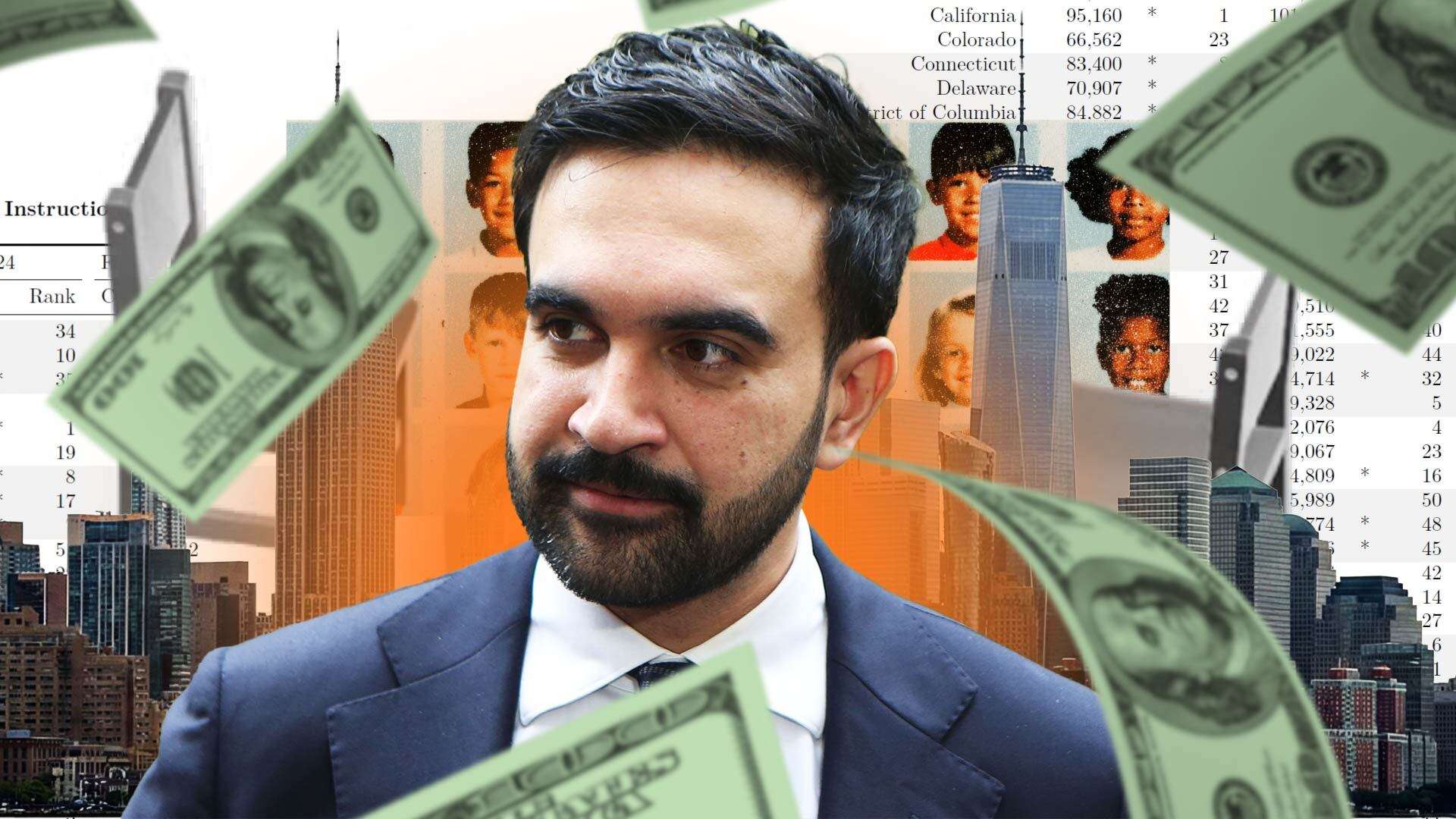
New York City’s mayor-elect, Zohran Mamdani, has unveiled an ambitious plan to provide free childcare for all children aged six weeks and older. Speaking during a visit to a daycare center in East Flatbush, Brooklyn, Mamdani highlighted the alarming trend of families with young children leaving the city, which he attributes to rising childcare costs. Although his proposal resonated with frustrated parents, its feasibility remains uncertain due to financial constraints.
Mamdani’s plan represents a significant expansion of the city’s existing childcare program, which currently guarantees universal access to daycare for three- and four-year-olds. Former Mayor Bill de Blasio implemented this initiative in 2014, positioning it as a solution to the city’s inequality. However, Mamdani’s proposal could cost an estimated $6 billion annually, raising questions about how to fund such an endeavor.
The urgency of addressing childcare affordability is underscored by recent statistics. The number of families with three or more children in New York has decreased by nearly 17 percent over the past decade. The under-20 population has fallen by almost 200,000 since the onset of the pandemic, leading to a reduction in public school enrollment from 1.1 million students to 915,000 today. As reported by the city’s comptroller, the average annual cost of private childcare has surged, with family-based care now costing approximately $18,200 and center-based care reaching $26,000.
Despite the apparent need for expanded services, the existing universal pre-kindergarten program has faced criticism for failing to meet the expectations of low-income families. According to analysts, the program has inadvertently distorted the private childcare market, causing some daycare providers to close while affluent families find ways to navigate the system for better outcomes.
The political landscape surrounding childcare in New York has been shaped by the tension between de Blasio and former Governor Andrew Cuomo. When de Blasio proposed universal pre-K, he envisioned funding it through increased taxes on high earners, a strategy Cuomo opposed. Instead, Cuomo allocated $1.5 billion from the state budget over five years to support the initiative. This compromise highlights the complexities of implementing broad social programs in a city with stark economic disparities.
Many parents express frustration with the current childcare options available to them. A lack of control over the enrollment process has left some families waitlisted for their preferred centers, while others are forced to accept placements that do not meet their needs. Reports indicate that lower-income neighborhoods continue to experience high vacancy rates in childcare seats, while wealthier areas face intense competition for spots.
As Mamdani aims to broaden childcare access, he faces critical logistical and financial challenges. His proposed expansion will require careful consideration of staffing ratios and wage structures, particularly as many childcare workers have left the industry for better-paying jobs. The push for pay parity between childcare workers and public school teachers adds another layer of complexity to the funding debate.
Critics argue that increased government intervention may not be the solution to the childcare crisis. They suggest that the focus should shift toward deregulating the childcare market, allowing more private options to emerge. By reducing regulatory burdens, particularly regarding staffing qualifications, the hope is to increase the availability of affordable childcare solutions.
Mamdani’s ambitious plans are set against a backdrop of rising costs and dwindling public resources. As he seeks to navigate the intricate landscape of childcare in New York City, the question remains: How can the city create a sustainable system that meets the diverse needs of all families without exacerbating existing inequalities?
The success of Mamdani’s proposal hinges on his ability to garner support from both state legislators and the public, as well as to demonstrate that his vision can translate into effective policy without repeating the missteps of previous administrations. The stakes are high for many families who are eager for change, but the path forward will require careful negotiation and innovative solutions.

Urgent Swatting Incident Ties Up Emergency Resources in Alabama

Urgent Tax Alert: Claim Your Deductions Before April 15!

Scientists Investigate Cosmic Defects: Where Are They Now?

Spring Bocce Leagues Open Registration in Rapid City

CALV Offers Essential Communication Class for Real Estate Pros

Samsung Galaxy Watch 9 Set for Larger 435mAh Battery Upgrade

Healthy Choice Wellness Reports Earnings, Stock Sees Uptick

Prince Harry Claims to Be ‘Antidote to Andrew’ Amid Royal Crisis

Pet Owners Weigh Kibble Against Fresh Dog Food Options

ALMA Discovers Companion Orbiting Giant Star π 1 Gruis

U.S. Visa Rescheduling Hits H‐1B Applicants as New Vetting Rules Take Effect

University of Hawaiʻi Joins $25.6M AI Project for Disaster Monitoring

F-22 Raptor vs. Su-57 Felon: A 2025 Fighter Jet Comparison

Ohio State Study Uncovers Brain Connectivity and Function Links

Recent Divorce Judgments from Iberia Parish Court Records

Prince Andrew Faces Fallout from Scandals and Allegations

Urgent: Flight Cancellations Loom at Texas Airports Amid Shutdown

Frank Dunn, Esteemed Builder and Community Leader, Passes Away at 89
-
 Science8 months ago
ALMA Discovers Companion Orbiting Giant Star π 1 Gruis
-
 Politics6 months ago
U.S. Visa Rescheduling Hits H‐1B Applicants as New Vetting Rules Take Effect
-
Science8 months ago
University of Hawaiʻi Joins $25.6M AI Project for Disaster Monitoring
-
 World8 months ago
F-22 Raptor vs. Su-57 Felon: A 2025 Fighter Jet Comparison
-
 Science8 months ago
Ohio State Study Uncovers Brain Connectivity and Function Links
-
 Politics8 months ago
Recent Divorce Judgments from Iberia Parish Court Records
-
 World8 months ago
Prince Andrew Faces Fallout from Scandals and Allegations
-
 Top Stories8 months ago
Urgent: Flight Cancellations Loom at Texas Airports Amid Shutdown
-
 Lifestyle8 months ago
Frank Dunn, Esteemed Builder and Community Leader, Passes Away at 89
-

 Entertainment6 months ago
Malachi Barton Tops Google Searches as Disney’s Rising Star of 2025
-

 Business8 months ago
Appian Recognizes 2025 Partner Award Winners for Enterprise Innovation
-

 Science9 months ago
Innovator Captures Light at 2 Billion Frames Per Second