
Politics
Japanese Prime Minister Takaichi’s Party Secures Majority in Election

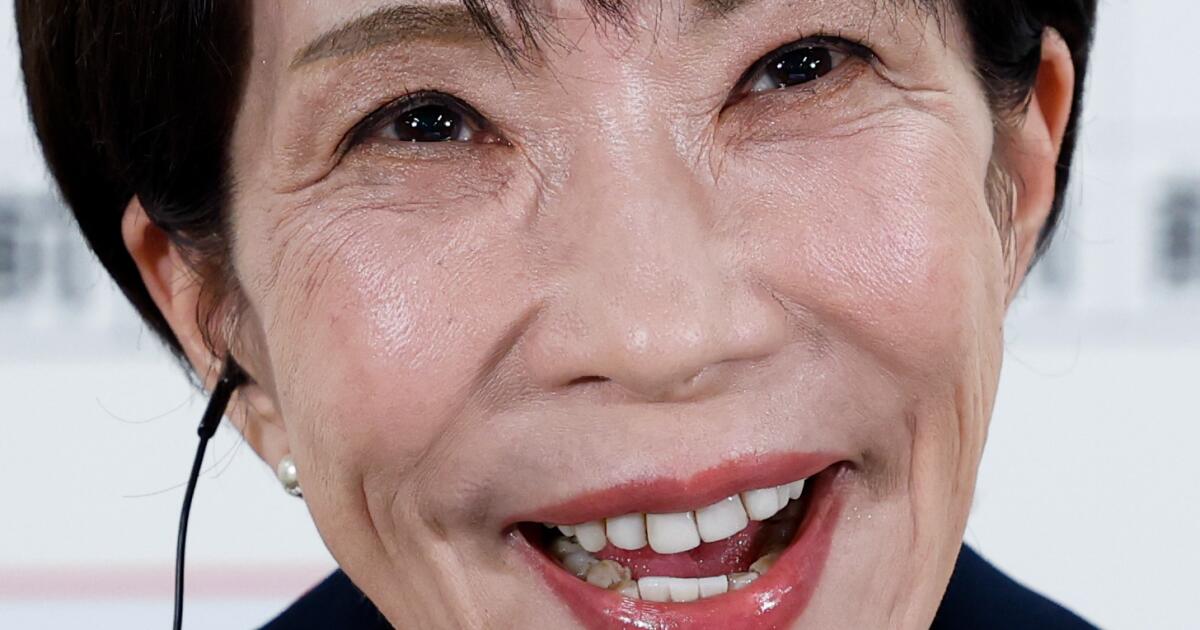
The governing party of Prime Minister Sanae Takaichi achieved a significant victory in Japan’s parliamentary elections held on March 10, 2024. Preliminary results indicate that Takaichi’s Liberal Democratic Party (LDP) secured 271 seats in the 465-member lower house of parliament, surpassing the 261-seat majority needed. This outcome positions Takaichi to advance her policy agenda more effectively following her four-month tenure.
In a televised interview with public broadcaster NHK, Takaichi expressed readiness to pursue her initiatives. She celebrated the electoral success with party executives at the LDP headquarters, marking winners’ names with a red ribbon. Despite the LDP lacking a majority in the upper house, this electoral gain in the lower house allows for a more aggressive approach on several fronts, including economic and military policies amid rising tensions in the region.
Takaichi, who became Japan’s first female prime minister in October 2023, aims to capitalize on her popularity and the party’s electoral momentum. She called for the early elections just three months into her leadership, seeking to leverage her favorable public perception to overcome challenges faced by the LDP, including funding issues and past scandals.
The LDP’s triumph comes against a backdrop of a fragmented opposition. Takaichi’s party teamed up with the Japan Innovation Party (JIP) to strengthen its position, while the newly formed opposition alliance, which includes the Komeito and the Constitutional Democratic Party of Japan, is projected to see its combined seats drop significantly from 167 to around half.
Takaichi plans to implement a right-wing shift in Japan’s security and immigration policies. The LDP’s alignment with the JIP, whose leader, Hirofumi Yoshimura, described the party as an “accelerator” for these initiatives, indicates a concerted effort to reshape Japan’s defense strategy. Takaichi has outlined intentions to revise security policies by December, moving away from Japan’s pacifist principles and increasing military spending in response to international pressures.
While Takaichi’s campaign focused on proactive government investment and economic growth, she has been largely silent on how to fund the anticipated increase in military expenditure or address the ongoing diplomatic tensions with China. Her proposals include stricter immigration controls and measures to enhance national security, which some critics argue may infringe on civil liberties.
Political analysts, such as Masato Kamikubo from Ritsumeikan University, have pointed out that the election results reflect a concerning trend in Japanese politics where the pursuit of political survival often overshadows substantive policy discussions. Kamikubo noted that the looming pressures of future elections frequently hinder necessary reforms.
Voter sentiments varied during this election cycle. Many, like Kazuki Ishihara, expressed hopes for stability and new approaches under Takaichi’s leadership. The election day coincided with heavy snowfall across Japan, which affected transportation and contributed to fatalities in northern regions, highlighting the pressing need for effective governance in challenging circumstances.
As Japan moves forward under Takaichi’s leadership, the focus will be on how effectively she can navigate the complexities of domestic and international expectations while maintaining the support of a diverse electorate. With no elections scheduled until 2028, the prime minister has a crucial opportunity to enact her vision for Japan’s future.

Urgent Swatting Incident Ties Up Emergency Resources in Alabama

Urgent Tax Alert: Claim Your Deductions Before April 15!

Scientists Investigate Cosmic Defects: Where Are They Now?

Spring Bocce Leagues Open Registration in Rapid City

CALV Offers Essential Communication Class for Real Estate Pros

Samsung Galaxy Watch 9 Set for Larger 435mAh Battery Upgrade

Healthy Choice Wellness Reports Earnings, Stock Sees Uptick

Prince Harry Claims to Be ‘Antidote to Andrew’ Amid Royal Crisis

Pet Owners Weigh Kibble Against Fresh Dog Food Options

ALMA Discovers Companion Orbiting Giant Star π 1 Gruis

U.S. Visa Rescheduling Hits H‐1B Applicants as New Vetting Rules Take Effect

University of Hawaiʻi Joins $25.6M AI Project for Disaster Monitoring

F-22 Raptor vs. Su-57 Felon: A 2025 Fighter Jet Comparison

Ohio State Study Uncovers Brain Connectivity and Function Links

Recent Divorce Judgments from Iberia Parish Court Records

Prince Andrew Faces Fallout from Scandals and Allegations

Urgent: Flight Cancellations Loom at Texas Airports Amid Shutdown

Frank Dunn, Esteemed Builder and Community Leader, Passes Away at 89
-
 Science8 months ago
ALMA Discovers Companion Orbiting Giant Star π 1 Gruis
-
 Politics6 months ago
U.S. Visa Rescheduling Hits H‐1B Applicants as New Vetting Rules Take Effect
-
Science8 months ago
University of Hawaiʻi Joins $25.6M AI Project for Disaster Monitoring
-
 World8 months ago
F-22 Raptor vs. Su-57 Felon: A 2025 Fighter Jet Comparison
-
 Science8 months ago
Ohio State Study Uncovers Brain Connectivity and Function Links
-
 Politics8 months ago
Recent Divorce Judgments from Iberia Parish Court Records
-
 World8 months ago
Prince Andrew Faces Fallout from Scandals and Allegations
-
 Top Stories8 months ago
Urgent: Flight Cancellations Loom at Texas Airports Amid Shutdown
-
 Lifestyle8 months ago
Frank Dunn, Esteemed Builder and Community Leader, Passes Away at 89
-

 Business8 months ago
Appian Recognizes 2025 Partner Award Winners for Enterprise Innovation
-

 Entertainment6 months ago
Malachi Barton Tops Google Searches as Disney’s Rising Star of 2025
-

 Science9 months ago
Innovator Captures Light at 2 Billion Frames Per Second