
Politics
HHS Faces Criticism Over Proposed Drug Advertising Regulations

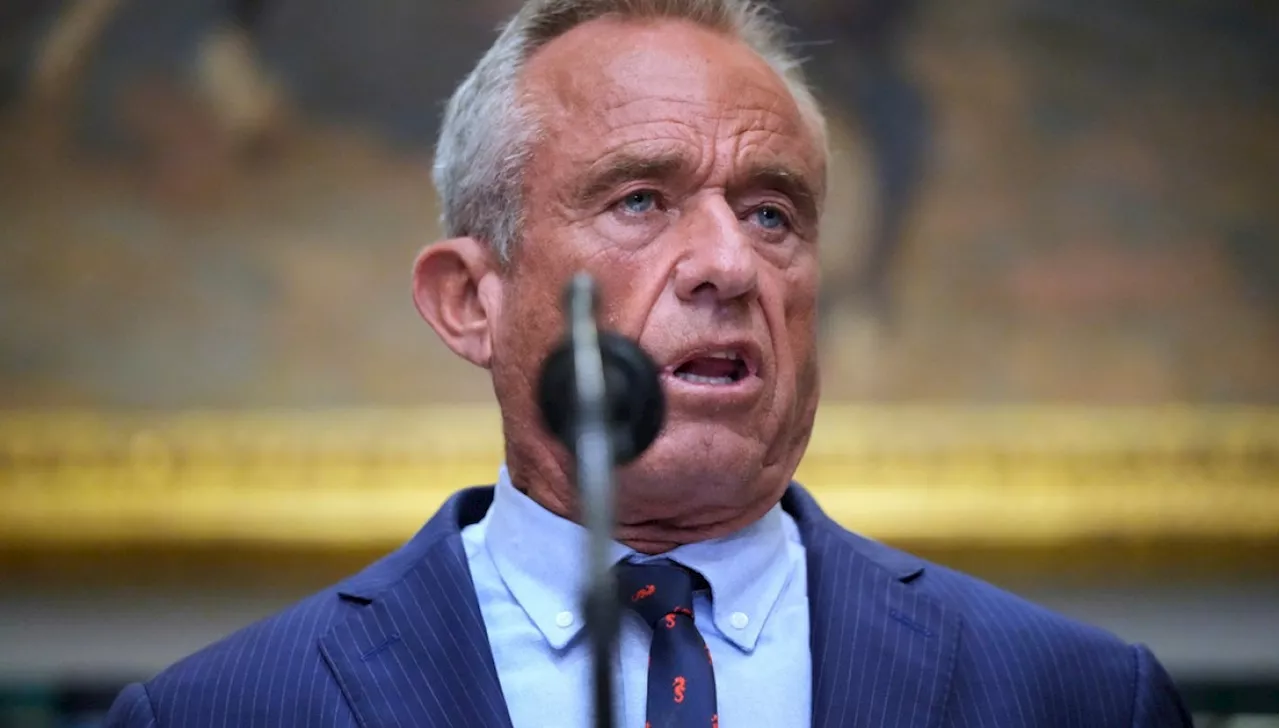
The U.S. Department of Health and Human Services (HHS) is under scrutiny for its proposed regulations on pharmaceutical advertising, which critics argue could hinder patient access to vital medical information. The proposed rules would introduce stringent disclosure requirements that many believe could effectively ban legitimate advertisements from reaching consumers.
Advocates for drug advertising contend that these promotions play a crucial role in informing patients about new treatments and fostering discussions with healthcare providers. Charlie Kirk, a prominent figure in the debate, has raised concerns that the industry is exploiting a “loophole” in current regulations to air its advertisements on television. He argues that the new rules would create “bewildering disclosure requirements” that could make compliance nearly impossible.
Historically, the legal landscape surrounding drug advertisements has evolved significantly. In 1995, a court found that the FDA’s regulations violated the First Amendment by imposing limitations that stifled communication. By 1997, a compromise allowed direct-to-consumer (DTC) advertising, requiring companies to outline major risks while directing consumers to additional information. This compromise was seen as a way to balance patient education with regulatory oversight.
The current proposal from HHS raises critical questions about consumer access to information. Critics argue that increasing the complexity of advertising disclosures could lead to a situation where essential information is obscured. They warn that depriving patients of knowledge about emerging treatments does not enhance safety; instead, it could lead to detrimental outcomes.
One potential consequence of the proposed regulations is that they might not only restrict the ability of pharmaceutical companies to communicate effectively but could also suppress public discourse on health. In previous rulings, the Supreme Court has reinforced the idea that truthful advertising is integral to public debate regarding health and innovation. The court has stated that the government cannot silence truthful speech merely because it may influence behavior.
As the debate unfolds, the implications of these regulations become clearer. If the HHS reimposes a de facto ban on DTC advertising, it may face immediate legal challenges. The proposed requirements may transform advertisements into a format that is unable to convey necessary information. A commercial laden with mandated disclaimers could become ineffective, amounting to a form of censorship rather than regulation.
Moreover, supporters of DTC advertising argue that it has led millions to pursue medical care for conditions they might otherwise overlook. Increased awareness through these advertisements can lead to earlier diagnoses and improved health outcomes. Critics of the proposed regulations assert that the government should focus on enhancing transparency and trust rather than restricting communication.
Regulators already possess the authority to penalize false or misleading advertising. The challenge lies in ensuring that regulations do not become so burdensome that they obstruct legitimate advertising efforts. Advocates suggest that HHS should reconsider its approach and reaffirm the balance established in 1997.
In a democracy, the solution to misinformation should be more information, not silence. The public’s right to know is paramount, and transparency is essential for fostering trust between consumers and the healthcare industry. As discussions continue, the outcome will likely have significant implications for how pharmaceutical companies communicate with the public and how patients access critical health information.

Urgent Swatting Incident Ties Up Emergency Resources in Alabama

Urgent Tax Alert: Claim Your Deductions Before April 15!

Scientists Investigate Cosmic Defects: Where Are They Now?

Spring Bocce Leagues Open Registration in Rapid City

CALV Offers Essential Communication Class for Real Estate Pros

Samsung Galaxy Watch 9 Set for Larger 435mAh Battery Upgrade

Healthy Choice Wellness Reports Earnings, Stock Sees Uptick

Prince Harry Claims to Be ‘Antidote to Andrew’ Amid Royal Crisis

Pet Owners Weigh Kibble Against Fresh Dog Food Options

ALMA Discovers Companion Orbiting Giant Star π 1 Gruis

U.S. Visa Rescheduling Hits H‐1B Applicants as New Vetting Rules Take Effect

University of Hawaiʻi Joins $25.6M AI Project for Disaster Monitoring

F-22 Raptor vs. Su-57 Felon: A 2025 Fighter Jet Comparison

Recent Divorce Judgments from Iberia Parish Court Records

Ohio State Study Uncovers Brain Connectivity and Function Links

Urgent: Flight Cancellations Loom at Texas Airports Amid Shutdown

Frank Dunn, Esteemed Builder and Community Leader, Passes Away at 89

Prince Andrew Faces Fallout from Scandals and Allegations
-
 Science9 months ago
ALMA Discovers Companion Orbiting Giant Star π 1 Gruis
-
 Politics7 months ago
U.S. Visa Rescheduling Hits H‐1B Applicants as New Vetting Rules Take Effect
-
Science9 months ago
University of Hawaiʻi Joins $25.6M AI Project for Disaster Monitoring
-
 World9 months ago
F-22 Raptor vs. Su-57 Felon: A 2025 Fighter Jet Comparison
-
 Politics9 months ago
Recent Divorce Judgments from Iberia Parish Court Records
-
 Science9 months ago
Ohio State Study Uncovers Brain Connectivity and Function Links
-
 Top Stories9 months ago
Urgent: Flight Cancellations Loom at Texas Airports Amid Shutdown
-
 Lifestyle9 months ago
Frank Dunn, Esteemed Builder and Community Leader, Passes Away at 89
-
 World9 months ago
Prince Andrew Faces Fallout from Scandals and Allegations
-

 Business9 months ago
Appian Recognizes 2025 Partner Award Winners for Enterprise Innovation
-

 Entertainment7 months ago
Malachi Barton Tops Google Searches as Disney’s Rising Star of 2025
-

 Top Stories8 months ago
Republican Matt Van Epps Wins Tennessee Special Election