
Politics
FCC Issues Warning to Broadcasters Over Iran War Coverage

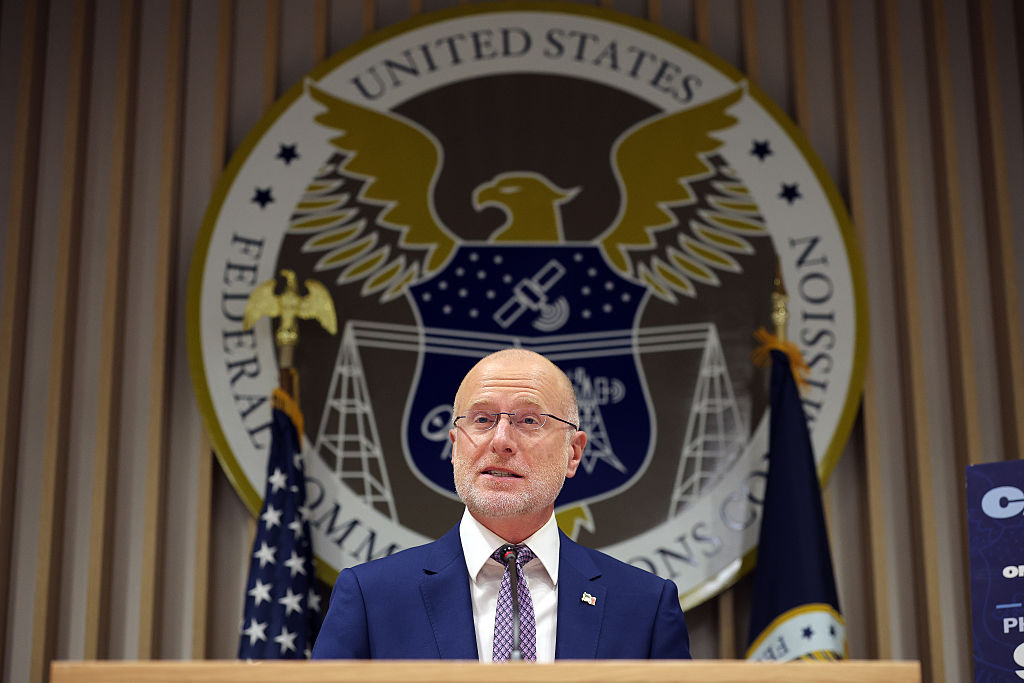
As the conflict between the United States and Iran approaches its third week, the Federal Communications Commission (FCC) has issued a warning to broadcasters regarding their coverage of the war. FCC Chairman Brendan Carr emphasized that news organizations must provide accurate reporting or risk facing regulatory scrutiny related to their broadcast licenses. This statement comes in response to accusations from former President Donald Trump that major media outlets are misrepresenting the administration’s military actions.
Carr highlighted that broadcasters have a legal obligation to serve the “public interest,” stating that those who disseminate what he termed “inaccurate reporting” about the war could encounter consequences during their license renewal process. He urged broadcasters to correct any misinformation, warning that failure to comply could jeopardize their licenses.
The FCC’s warning follows a series of posts by Trump on his social media platform, Truth Social, where he criticized the media for what he claimed was misleading coverage of the conflict. Trump’s posts included assertions that news reports were “wrong” and urged Americans to reconsider the information being circulated about U.S. military operations in Iran.
Concerns Over Press Freedom
The remarks from FCC Chairman Carr have raised alarms among press freedom advocates and media analysts. They express concerns that such comments could represent government pressure on news organizations, particularly during a time of war. This situation is compounded by ongoing scrutiny of major media companies and their interactions with federal regulators, which has intensified in recent months.
Tensions have escalated regarding editorial independence, highlighted by recent controversies involving networks like CBS. Reports indicated that a segment of the program “60 Minutes” faced internal review prior to airing. Additionally, political comedy shows, such as those hosted by Stephen Colbert, have faced backlash from conservative critics, adding to the discourse surrounding media bias and freedom.
Critics assert that this combination of political pressure and regulatory oversight could create a chilling effect in newsrooms. They argue it sends a clear message that only favorable coverage of the war will be tolerated, which may undermine journalistic integrity. Senator Brian Schatz articulated this concern, stating, “This is a clear directive to provide positive war coverage or else licenses may not be renewed.”
The Ongoing Debate
Carr defended the FCC’s warning, asserting that broadcasters using publicly licensed airwaves have a responsibility to deliver accurate information to their audiences. This debate underscores the increasing friction between the current administration and prominent news organizations as the conflict in Iran unfolds. The stakes are high as the public looks to the media for reliable information during a significant military engagement.
As the situation develops, questions remain about how the war will be reported and the implications for media organizations navigating regulatory landscapes under heightened scrutiny. The evolving dynamics between government directives and press freedom will likely continue to shape the narrative surrounding the conflict, prompting larger discussions about the role of media in times of war.

Urgent Swatting Incident Ties Up Emergency Resources in Alabama

Urgent Tax Alert: Claim Your Deductions Before April 15!

Scientists Investigate Cosmic Defects: Where Are They Now?

Spring Bocce Leagues Open Registration in Rapid City

CALV Offers Essential Communication Class for Real Estate Pros

Samsung Galaxy Watch 9 Set for Larger 435mAh Battery Upgrade

Healthy Choice Wellness Reports Earnings, Stock Sees Uptick

Prince Harry Claims to Be ‘Antidote to Andrew’ Amid Royal Crisis

Pet Owners Weigh Kibble Against Fresh Dog Food Options

ALMA Discovers Companion Orbiting Giant Star π 1 Gruis

F-22 Raptor vs. Su-57 Felon: A 2025 Fighter Jet Comparison

University of Hawaiʻi Joins $25.6M AI Project for Disaster Monitoring

U.S. Visa Rescheduling Hits H‐1B Applicants as New Vetting Rules Take Effect

Ohio State Study Uncovers Brain Connectivity and Function Links

Innovator Captures Light at 2 Billion Frames Per Second

Hamas Chief Stresses Disarmament Tied to Occupation’s End

Megan Thee Stallion Exposes Alleged Online Attack by Bots

Paloma Elsesser Shines at LA Event with Iconic Slicked-Back Bun
-
 Science5 months ago
ALMA Discovers Companion Orbiting Giant Star π 1 Gruis
-
 World5 months ago
F-22 Raptor vs. Su-57 Felon: A 2025 Fighter Jet Comparison
-
Science5 months ago
University of Hawaiʻi Joins $25.6M AI Project for Disaster Monitoring
-
 Politics3 months ago
U.S. Visa Rescheduling Hits H‐1B Applicants as New Vetting Rules Take Effect
-
 Science5 months ago
Ohio State Study Uncovers Brain Connectivity and Function Links
-
 Science5 months ago
Innovator Captures Light at 2 Billion Frames Per Second
-
 Politics5 months ago
Hamas Chief Stresses Disarmament Tied to Occupation’s End
-
 Entertainment5 months ago
Megan Thee Stallion Exposes Alleged Online Attack by Bots
-
 Entertainment5 months ago
Paloma Elsesser Shines at LA Event with Iconic Slicked-Back Bun
-

 Science6 months ago
Researchers Challenge 200-Year-Old Physics Principle with Atomic Engines
-
 World5 months ago
FDA Unveils Plan to Cut Drug Prices and Boost Biosimilars
-

 Entertainment5 months ago
Beloved Artist and Community Leader Gloria Rosencrants Passes Away