
Politics
Economic Strain Challenges Trump’s Iran Strategy Amid Rising Costs

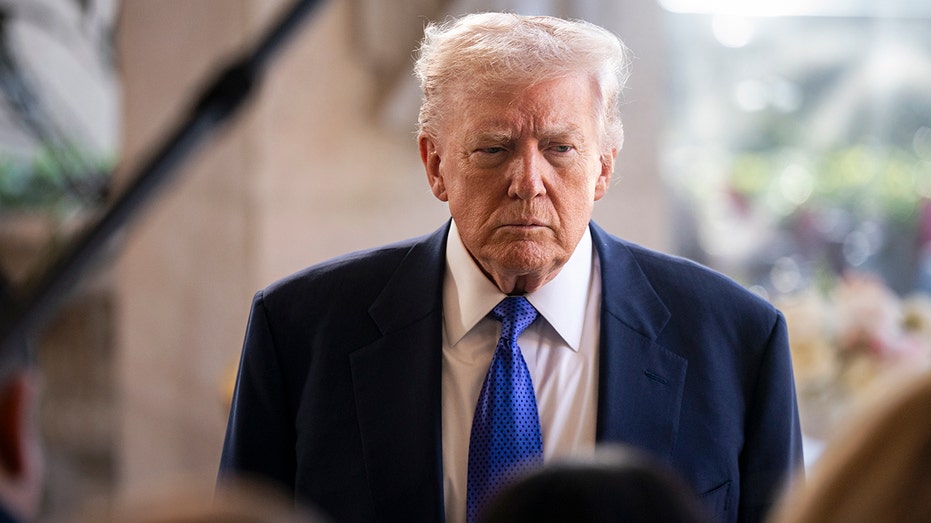
President Donald Trump faces mounting challenges to his strategy regarding Iran as economic turmoil and rising costs impact American households. During a recent press conference, Trump declared, “everything Iran had is gone,” while the Pentagon released footage of military strikes targeting Iranian assets. Despite these claims, a pressing question looms: how much are Americans willing to endure financially for this conflict?
The loss of seven American troops in the ongoing conflict, while tragic, has sparked deeper concerns about the economic ramifications of the war. The U.S. stock market has experienced significant declines, with the Dow Jones Industrial Average falling sharply. Meanwhile, oil prices have surged, and job losses are beginning to surface, raising doubts about Trump’s decision to pursue aggressive military action against Iran.
As the situation unfolds, the rationale behind the military actions has become increasingly unclear. Initially framed as a measure to prevent Iran from developing nuclear weapons, the narrative has shifted. Trump’s administration has suggested that the aim is also regime change, particularly following the targeted killing of Ayatollah Ali Khamenei. In a notable contradiction, Trump has claimed he must approve any new Iranian leadership, seemingly mirroring tactics from previous military interventions.
The initial success of the U.S. and Israeli military actions has been acknowledged, yet questions remain about the duration of this conflict. Pete Hegseth, a prominent voice in Trump’s administration, has indicated a willingness to escalate military involvement, stating, “we are willing to go as far as we need to go” to dismantle Iran’s government. This has led to speculation about the potential for extended military engagement, with Hegseth emphasizing that “short term oil prices” are a minor concern compared to national security.
Trump’s assertion that “the war is very complete, pretty much” reflects a significant shift in messaging, raising eyebrows among observers. Critics argue that the media’s coverage of American casualties is not politically motivated but serves to honor the fallen. Military deaths are a crucial component of wartime reporting, transcending partisan lines.
The conflict has not only affected U.S. domestic markets but has also led to decreased oil production among Arab nations, contributing to the instability of global energy supplies. The Strait of Hormuz, a vital passage for oil shipments, has become increasingly perilous due to the ongoing tensions with Iran.
Amid this backdrop, the international community is left grappling with uncertainty. Historical parallels have emerged, with some experts recalling the U.S. military engagement in Vietnam, where the promise of victory ultimately led to disillusionment. Trump, who campaigned on an “America First” platform, now finds himself in a complex geopolitical situation that may alienate his base, particularly as voices from within his party express concerns over foreign military entanglements.
As the conflict progresses, the broader implications of Trump’s decisions will come into sharper focus. The economic pressures resulting from the war may ultimately influence the administration’s actions. A month or six months from now, the approach taken towards Iran may be viewed as either a decisive military strategy or a misstep akin to past interventions in Iraq and Afghanistan.
With growing economic difficulties impacting average Americans, the pressure on Trump to deliver tangible results may intensify. As the situation evolves, the administration’s ability to balance military objectives with the economic realities faced by citizens will be crucial in determining the future of U.S.-Iran relations.

Urgent Swatting Incident Ties Up Emergency Resources in Alabama

Urgent Tax Alert: Claim Your Deductions Before April 15!

Scientists Investigate Cosmic Defects: Where Are They Now?

Spring Bocce Leagues Open Registration in Rapid City

CALV Offers Essential Communication Class for Real Estate Pros

Samsung Galaxy Watch 9 Set for Larger 435mAh Battery Upgrade

Healthy Choice Wellness Reports Earnings, Stock Sees Uptick

Prince Harry Claims to Be ‘Antidote to Andrew’ Amid Royal Crisis

Pet Owners Weigh Kibble Against Fresh Dog Food Options

ALMA Discovers Companion Orbiting Giant Star π 1 Gruis

U.S. Visa Rescheduling Hits H‐1B Applicants as New Vetting Rules Take Effect

University of Hawaiʻi Joins $25.6M AI Project for Disaster Monitoring

F-22 Raptor vs. Su-57 Felon: A 2025 Fighter Jet Comparison

Ohio State Study Uncovers Brain Connectivity and Function Links

Recent Divorce Judgments from Iberia Parish Court Records

Prince Andrew Faces Fallout from Scandals and Allegations

Urgent: Flight Cancellations Loom at Texas Airports Amid Shutdown

Frank Dunn, Esteemed Builder and Community Leader, Passes Away at 89
-
 Science8 months ago
ALMA Discovers Companion Orbiting Giant Star π 1 Gruis
-
 Politics6 months ago
U.S. Visa Rescheduling Hits H‐1B Applicants as New Vetting Rules Take Effect
-
Science8 months ago
University of Hawaiʻi Joins $25.6M AI Project for Disaster Monitoring
-
 World8 months ago
F-22 Raptor vs. Su-57 Felon: A 2025 Fighter Jet Comparison
-
 Science8 months ago
Ohio State Study Uncovers Brain Connectivity and Function Links
-
 Politics8 months ago
Recent Divorce Judgments from Iberia Parish Court Records
-
 World8 months ago
Prince Andrew Faces Fallout from Scandals and Allegations
-
 Top Stories8 months ago
Urgent: Flight Cancellations Loom at Texas Airports Amid Shutdown
-
 Lifestyle8 months ago
Frank Dunn, Esteemed Builder and Community Leader, Passes Away at 89
-

 Business8 months ago
Appian Recognizes 2025 Partner Award Winners for Enterprise Innovation
-

 Entertainment6 months ago
Malachi Barton Tops Google Searches as Disney’s Rising Star of 2025
-

 Science9 months ago
Innovator Captures Light at 2 Billion Frames Per Second