
Politics
Denmark Urges European Troops to Deter Trump’s Greenland Plans

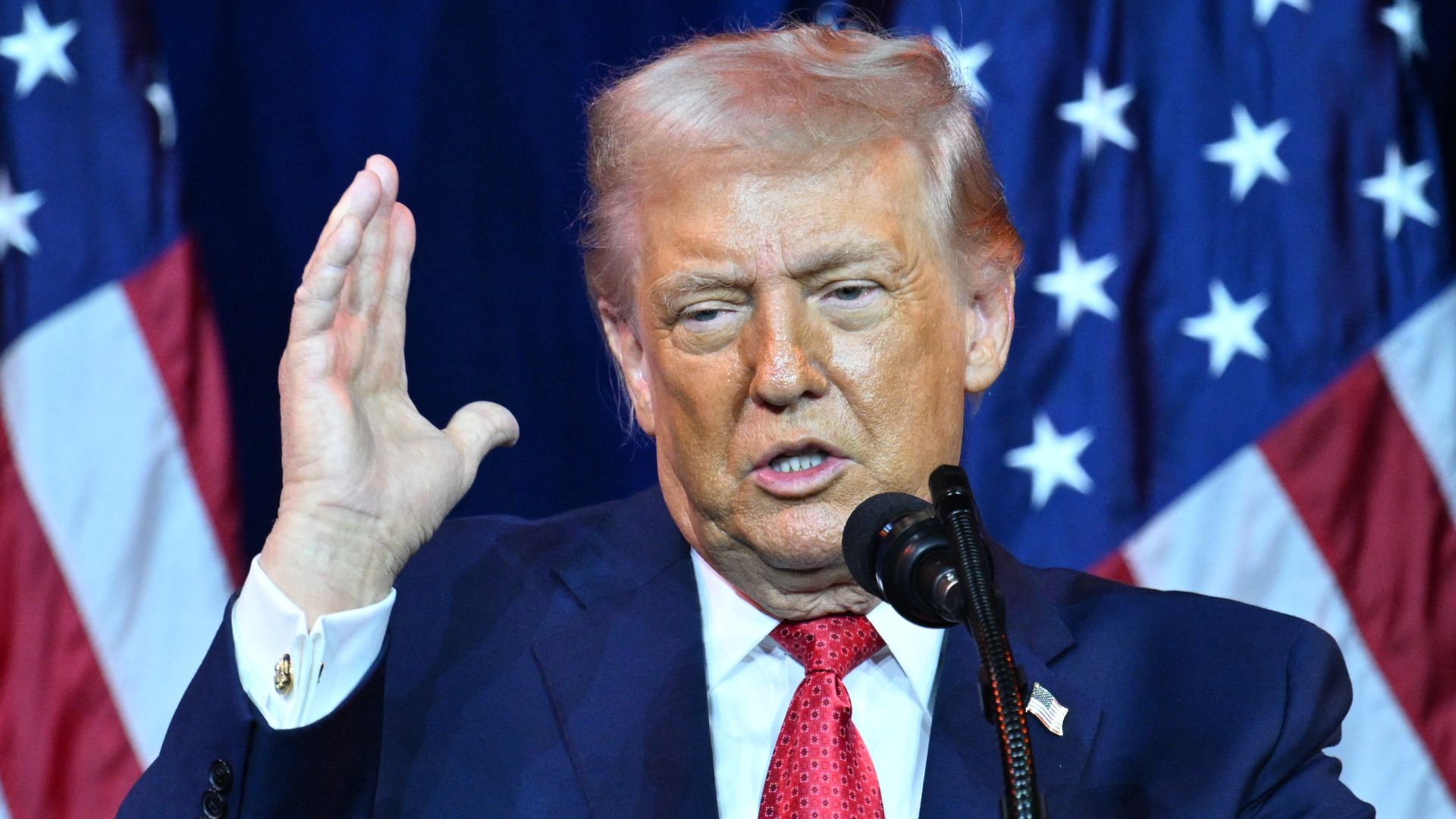
Tensions are escalating between Denmark and the United States over Greenland, as Danish officials call for European military support to deter potential actions by President Donald Trump. This development follows reports that Trump is contemplating a controversial plan to pay residents of the resource-rich island up to $100,000 each to encourage them to pursue independence from Denmark and possibly join the United States.
In an interview with The New York Times, Trump expressed a disregard for international law, stating, “I don’t need international law.” Such remarks have prompted Danish lawmakers to seek assistance from their European counterparts, urging them to consider deploying troops to Greenland. Conservative MP Rasmus Jarlov emphasized that hosting allied forces would significantly raise the stakes for any potential military intervention by the U.S.
The prospect of a U.S. invasion has raised alarms among Danish politicians. Left-wing leader Pelle Dragsted asserted that any such action would constitute an armed conflict. He underscored the need for a firm stance against Trump’s assertions, warning that he should not be allowed to “just land a helicopter in Nuuk and raise the U.S. flag.”
According to sources in Washington, Trump’s administration is exploring options to financially incentivize Greenland’s residents as a means to gain control over the territory. Estimates suggest this plan could cost the U.S. approximately $5.7 billion if every islander were compensated. The White House has confirmed ongoing discussions regarding a potential purchase of the Danish territory rather than a military takeover.
Secretary of State Marco Rubio has reassured U.S. lawmakers that the administration seeks a peaceful resolution. He downplayed the likelihood of a military invasion, despite Trump’s rhetoric suggesting otherwise. Tensions surrounding the situation have led to concerns about NATO’s unity, with Trump indicating that any attack on Greenland could lead to infighting within the alliance.
In a recent statement, Trump noted that he might have to make a “choice” between preserving NATO or pursuing aggressive actions in Greenland, reiterating that the alliance’s effectiveness hinges on U.S. involvement. He characterized the acquisition of Greenland as a “national security priority,” arguing that ownership would provide strategic advantages unattainable through treaties or leases.
The situation has also drawn criticism from U.S. officials. Vice President JD Vance criticized Europe for its handling of Greenland, suggesting that Denmark and European nations have failed to adequately secure the territory. Vance’s comments served as a warning to European leaders to “take the President of the United States seriously.”
In response to the escalating tensions, Denmark has reaffirmed its military commitment, stating that it would “shoot first and ask questions later” in the event of an attack. This policy, rooted in the country’s military constitution, mandates that troops defend against aggression immediately, without awaiting orders. The law has been in place since 1952 and remains a critical part of Denmark’s defense strategy.
The U.S. already maintains a military presence in Greenland, with over 100 personnel stationed at the Pituffik base, which has been under U.S. control since World War II. Under existing agreements, the U.S. has the authority to deploy additional troops to the island. Experts have warned that any attempt by the U.S. to assert control over Greenland could be executed with relative ease, given its geographical and strategic significance.
An anonymous Danish politician expressed concerns about Greenland’s ability to defend itself, suggesting that a small number of U.S. helicopters could easily overpower the island’s defenses. “There would be nothing they [Greenlanders] could do,” the politician remarked, highlighting the vulnerabilities of the territory.
In light of the ongoing developments, both France and Germany have united in their opposition to Trump’s threats, reinforcing their commitment to maintaining a stable relationship with Denmark and safeguarding Greenland. French Foreign Minister Jean-Noël Barrot has sought to downplay the likelihood of an invasion, citing assurances from U.S. officials that such actions are not on the agenda.
As the international community watches closely, the situation remains fluid, with implications for both European security and U.S. foreign policy.

Urgent Swatting Incident Ties Up Emergency Resources in Alabama

Urgent Tax Alert: Claim Your Deductions Before April 15!

Scientists Investigate Cosmic Defects: Where Are They Now?

Spring Bocce Leagues Open Registration in Rapid City

CALV Offers Essential Communication Class for Real Estate Pros

Samsung Galaxy Watch 9 Set for Larger 435mAh Battery Upgrade

Healthy Choice Wellness Reports Earnings, Stock Sees Uptick

Prince Harry Claims to Be ‘Antidote to Andrew’ Amid Royal Crisis

Pet Owners Weigh Kibble Against Fresh Dog Food Options

ALMA Discovers Companion Orbiting Giant Star π 1 Gruis

U.S. Visa Rescheduling Hits H‐1B Applicants as New Vetting Rules Take Effect

University of Hawaiʻi Joins $25.6M AI Project for Disaster Monitoring

F-22 Raptor vs. Su-57 Felon: A 2025 Fighter Jet Comparison

Recent Divorce Judgments from Iberia Parish Court Records

Ohio State Study Uncovers Brain Connectivity and Function Links

Prince Andrew Faces Fallout from Scandals and Allegations

Urgent: Flight Cancellations Loom at Texas Airports Amid Shutdown

Frank Dunn, Esteemed Builder and Community Leader, Passes Away at 89
-
 Science8 months ago
ALMA Discovers Companion Orbiting Giant Star π 1 Gruis
-
 Politics6 months ago
U.S. Visa Rescheduling Hits H‐1B Applicants as New Vetting Rules Take Effect
-
Science8 months ago
University of Hawaiʻi Joins $25.6M AI Project for Disaster Monitoring
-
 World8 months ago
F-22 Raptor vs. Su-57 Felon: A 2025 Fighter Jet Comparison
-
 Politics8 months ago
Recent Divorce Judgments from Iberia Parish Court Records
-
 Science8 months ago
Ohio State Study Uncovers Brain Connectivity and Function Links
-
 World8 months ago
Prince Andrew Faces Fallout from Scandals and Allegations
-
 Top Stories8 months ago
Urgent: Flight Cancellations Loom at Texas Airports Amid Shutdown
-
 Lifestyle8 months ago
Frank Dunn, Esteemed Builder and Community Leader, Passes Away at 89
-

 Business8 months ago
Appian Recognizes 2025 Partner Award Winners for Enterprise Innovation
-

 Entertainment6 months ago
Malachi Barton Tops Google Searches as Disney’s Rising Star of 2025
-

 Science9 months ago
Innovator Captures Light at 2 Billion Frames Per Second