
Politics
Colorado Voices Urge for Wildlife Conservation and Crime Dialogue

In Colorado, discussions are emerging around the relationship between crime rates and political accountability, alongside pressing calls for wildlife conservation. Letters from residents highlight differing perspectives on these critical issues.
Debate on Crime Rates and Political Influence
Sherri Crawford, a resident of Lafayette, expresses skepticism regarding claims that the decrease in crime rates in Colorado is a result of Republican policies. She emphasizes that this downward trend is independent of political party influence, stating that anyone can verify crime statistics through online resources. Crawford criticizes the tendency of some individuals to accept statements without seeking factual confirmation, advocating for a return to informed discussion.
Crawford’s stance reflects a broader sentiment shared by others who feel that attributing crime statistics solely to political narratives oversimplifies a complex issue. The decline in crime, as noted in various reports, is often attributed to a range of societal factors, making it essential to approach the discussion with a nuanced perspective.
Call for Wildlife Preservation
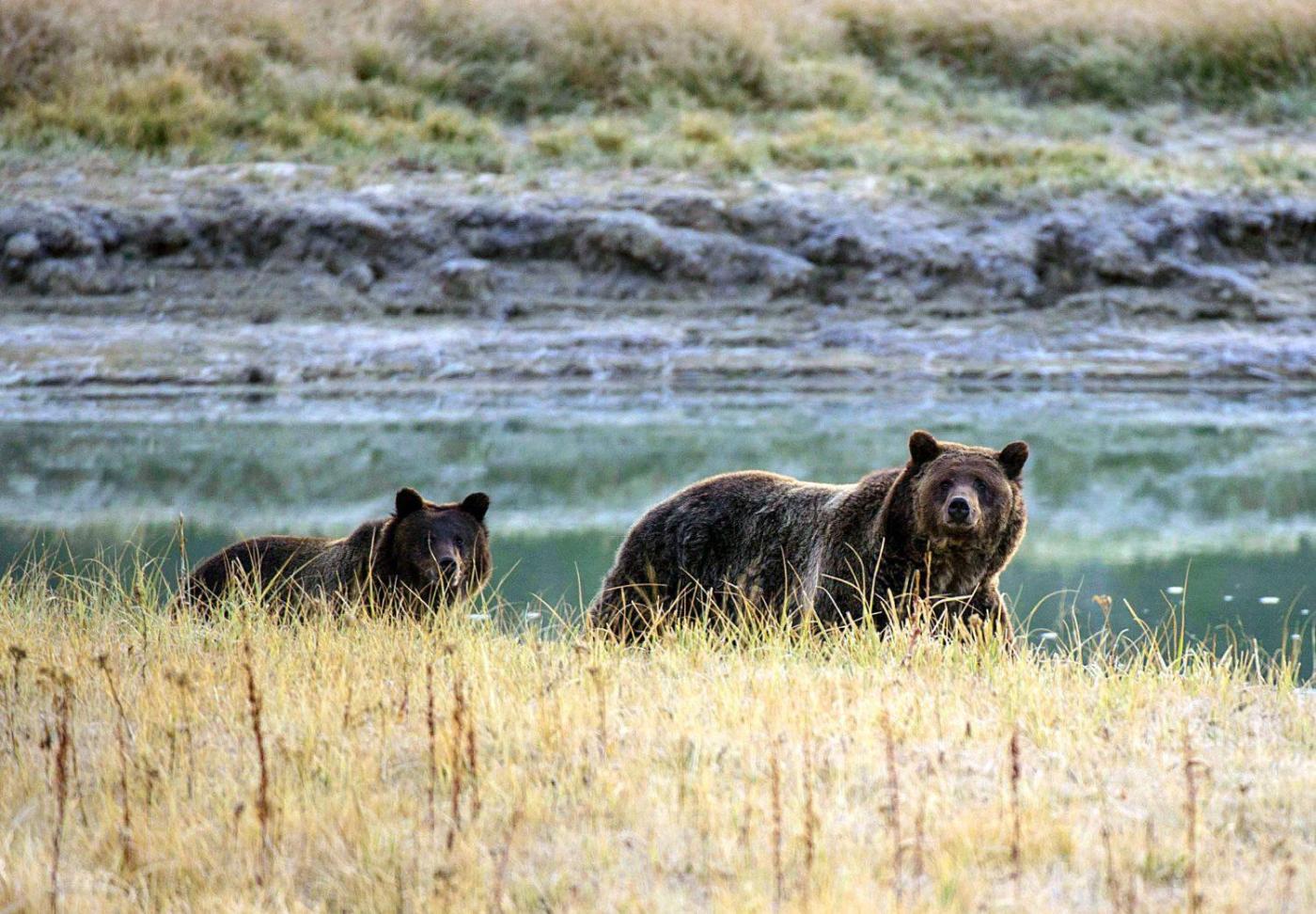
On a different note, Sidra Burshteyn, a wildlife photographer from Boulder, urges for greater commitment to wildlife conservation. She emphasizes the significance of World Wildlife Day, noting that the breathtaking moments captured in nature are fleeting. Burshteyn reflects on her experiences photographing remarkable species, including the renowned Grizzly 399 in Wyoming, whose nurturing behavior with her cubs served as a poignant reminder of the stakes involved in conservation efforts.
Burshteyn highlights successful conservation policies, such as the protections afforded to the bald eagle under the Endangered Species Act and the rebound of sea otter populations following hunting restrictions. However, she warns that the delisting and weakening of protections for various species sends a dangerous message about the status of their recovery.
She points out that species like prairie chickens are still losing their habitats, while wolves are beginning to reestablish themselves in parts of the West. The slow reproductive rates of grizzly bears further complicate their recovery, as it can take up to ten years for a female to replace herself. Burshteyn stresses that even minor increases in mortality can have significant repercussions for these populations.
To conclude, Burshteyn passionately argues that conservation should not be viewed through a political lens. Instead, it is a vital commitment to ensure that future generations inherit a world where wildlife is not merely a subject of photographs but a living reality. As discussions around crime and conservation continue in Colorado, the voices of residents like Crawford and Burshteyn highlight the importance of informed dialogue and dedicated action.

Urgent Swatting Incident Ties Up Emergency Resources in Alabama

Urgent Tax Alert: Claim Your Deductions Before April 15!

Scientists Investigate Cosmic Defects: Where Are They Now?

Spring Bocce Leagues Open Registration in Rapid City

CALV Offers Essential Communication Class for Real Estate Pros

Samsung Galaxy Watch 9 Set for Larger 435mAh Battery Upgrade

Healthy Choice Wellness Reports Earnings, Stock Sees Uptick

Prince Harry Claims to Be ‘Antidote to Andrew’ Amid Royal Crisis

Pet Owners Weigh Kibble Against Fresh Dog Food Options

ALMA Discovers Companion Orbiting Giant Star π 1 Gruis

U.S. Visa Rescheduling Hits H‐1B Applicants as New Vetting Rules Take Effect

University of Hawaiʻi Joins $25.6M AI Project for Disaster Monitoring

F-22 Raptor vs. Su-57 Felon: A 2025 Fighter Jet Comparison

Ohio State Study Uncovers Brain Connectivity and Function Links

Recent Divorce Judgments from Iberia Parish Court Records

Prince Andrew Faces Fallout from Scandals and Allegations

Urgent: Flight Cancellations Loom at Texas Airports Amid Shutdown

Frank Dunn, Esteemed Builder and Community Leader, Passes Away at 89
-
 Science8 months ago
ALMA Discovers Companion Orbiting Giant Star π 1 Gruis
-
 Politics6 months ago
U.S. Visa Rescheduling Hits H‐1B Applicants as New Vetting Rules Take Effect
-
Science8 months ago
University of Hawaiʻi Joins $25.6M AI Project for Disaster Monitoring
-
 World8 months ago
F-22 Raptor vs. Su-57 Felon: A 2025 Fighter Jet Comparison
-
 Science8 months ago
Ohio State Study Uncovers Brain Connectivity and Function Links
-
 Politics8 months ago
Recent Divorce Judgments from Iberia Parish Court Records
-
 World8 months ago
Prince Andrew Faces Fallout from Scandals and Allegations
-
 Top Stories8 months ago
Urgent: Flight Cancellations Loom at Texas Airports Amid Shutdown
-
 Lifestyle8 months ago
Frank Dunn, Esteemed Builder and Community Leader, Passes Away at 89
-

 Business8 months ago
Appian Recognizes 2025 Partner Award Winners for Enterprise Innovation
-

 Entertainment6 months ago
Malachi Barton Tops Google Searches as Disney’s Rising Star of 2025
-

 Science9 months ago
Innovator Captures Light at 2 Billion Frames Per Second