
Politics
CBS Censorship Raises Concerns Over Media Independence

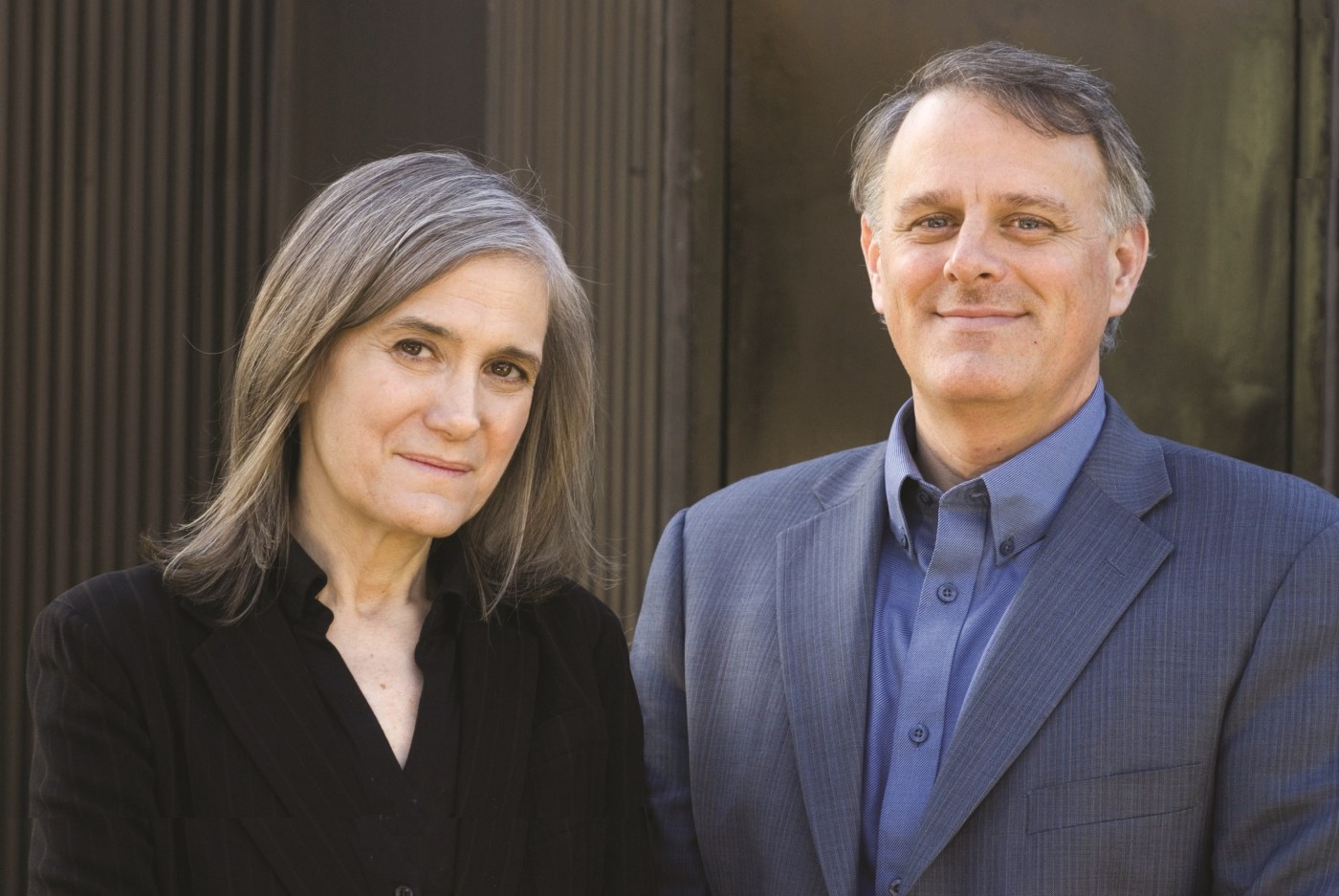
A controversial decision by CBS to spike a segment on President Donald Trump’s deportation of Venezuelan men to El Salvador has reignited discussions about the impact of corporate media consolidation on democracy. The segment, which was set to air on the network’s flagship news magazine, “60 Minutes,” was reportedly halted by the newly appointed Editor-in-Chief, Bari Weiss. This incident raises alarms about potential conflicts of interest and the role of independent media in a democratic society.
The segment focused on the treatment of deported individuals at the CECOT prison in El Salvador, a facility notorious for its harsh conditions. Officially known as the “Terrorism Confinement Center,” CECOT was constructed in 2022 under the administration of President Nayib Bukele. Bukele has drawn international scrutiny for his authoritarian tactics, including mass imprisonment and reports of torture. Trump has expressed admiration for Bukele, describing him as a strongman, and his administration had allocated nearly $5 million to facilitate the imprisonment of deported individuals in El Salvador.
Eyewitness accounts reveal the harrowing experiences faced by those deported. The Department of Homeland Security began transporting individuals to CECOT in violation of a federal court order, including Kilmar Abrego Garcia, a Salvadoran native, and at least 252 Venezuelan men. Many of these individuals ultimately returned to Venezuela in a deal involving the release of ten U.S. prisoners. The plight of these deportees, chronicled by human rights researchers and firsthand testimonies, underscores the need for accountability and transparency in such actions.
Despite the sensitive nature of the story, it had already been sent to Canada, where it aired as scheduled. A recording of the segment subsequently gained traction online. Correspondent Sharyn Alfonsi opened with a stark depiction of the deportees’ arrival in El Salvador, asking, “Did you think you were going to die there?” One deportee, Luis Muñoz Pinto, responded, “We thought we were already the living dead, honestly.”
The decision to cancel the airing has been attributed to Weiss’s insistence that the segment required additional commentary from the Trump administration. Alfonsi noted in an internal email that allowing the administration to dictate the narrative undermines journalistic integrity, stating, “If the administration’s refusal to participate becomes a valid reason to spike a story, we have effectively handed them a ‘kill switch’ for any reporting they find inconvenient.”
This incident is not the first time CBS has faced scrutiny related to its corporate affiliations. Following a controversial interview with Kamala Harris, Trump threatened legal action, claiming the segment was edited to favor the Vice President. Legal experts opined that CBS would likely have prevailed in court, yet the company opted to settle for $15 million, likely influenced by its parent company, Paramount, which was seeking approval for a merger with Skydance Media.
The implications of these corporate maneuvers raise questions about the integrity of news organizations. The Ellison family, who own Skydance Media, have increasingly sought to expand their media empire, including a recent attempt to acquire Warner Brothers/Discovery, which owns prominent outlets like HBO and CNN. Such consolidation could further limit media diversity and hinder the ability of writers, actors, and creators to advocate for their rights.
In light of these developments, some experts are calling for a reassessment of how media organizations operate under corporate influence. Alexa Koenig, from the Human Rights Center at the University of California, Berkeley, emphasized the significance of reporting truthfully on issues that affect public awareness and governance. She noted, “This is a big moment for American politics, for getting facts and truth out to the public about what has been done in their name, what is being done with taxpayer dollars.”
As the landscape of media continues to evolve, the need for a genuinely independent press becomes increasingly vital. The public must advocate for transparency and accountability in journalism to ensure that democracy is not undermined by corporate interests. The recent actions of CBS serve as a reminder of the delicate balance between corporate influence and the fundamental role of the media as a watchdog in a democratic society.

Urgent Swatting Incident Ties Up Emergency Resources in Alabama

Urgent Tax Alert: Claim Your Deductions Before April 15!

Scientists Investigate Cosmic Defects: Where Are They Now?

Spring Bocce Leagues Open Registration in Rapid City

CALV Offers Essential Communication Class for Real Estate Pros

Samsung Galaxy Watch 9 Set for Larger 435mAh Battery Upgrade

Healthy Choice Wellness Reports Earnings, Stock Sees Uptick

Prince Harry Claims to Be ‘Antidote to Andrew’ Amid Royal Crisis

Pet Owners Weigh Kibble Against Fresh Dog Food Options

ALMA Discovers Companion Orbiting Giant Star π 1 Gruis

U.S. Visa Rescheduling Hits H‐1B Applicants as New Vetting Rules Take Effect

University of Hawaiʻi Joins $25.6M AI Project for Disaster Monitoring

F-22 Raptor vs. Su-57 Felon: A 2025 Fighter Jet Comparison

Ohio State Study Uncovers Brain Connectivity and Function Links

Recent Divorce Judgments from Iberia Parish Court Records

Prince Andrew Faces Fallout from Scandals and Allegations

Urgent: Flight Cancellations Loom at Texas Airports Amid Shutdown

Frank Dunn, Esteemed Builder and Community Leader, Passes Away at 89
-
 Science8 months ago
ALMA Discovers Companion Orbiting Giant Star π 1 Gruis
-
 Politics6 months ago
U.S. Visa Rescheduling Hits H‐1B Applicants as New Vetting Rules Take Effect
-
Science8 months ago
University of Hawaiʻi Joins $25.6M AI Project for Disaster Monitoring
-
 World8 months ago
F-22 Raptor vs. Su-57 Felon: A 2025 Fighter Jet Comparison
-
 Science8 months ago
Ohio State Study Uncovers Brain Connectivity and Function Links
-
 Politics8 months ago
Recent Divorce Judgments from Iberia Parish Court Records
-
 World8 months ago
Prince Andrew Faces Fallout from Scandals and Allegations
-
 Top Stories8 months ago
Urgent: Flight Cancellations Loom at Texas Airports Amid Shutdown
-
 Lifestyle8 months ago
Frank Dunn, Esteemed Builder and Community Leader, Passes Away at 89
-

 Business8 months ago
Appian Recognizes 2025 Partner Award Winners for Enterprise Innovation
-

 Entertainment6 months ago
Malachi Barton Tops Google Searches as Disney’s Rising Star of 2025
-

 Science9 months ago
Innovator Captures Light at 2 Billion Frames Per Second