
Lifestyle
U.S. Military Leaders Cite Divine Purpose in Iran Actions

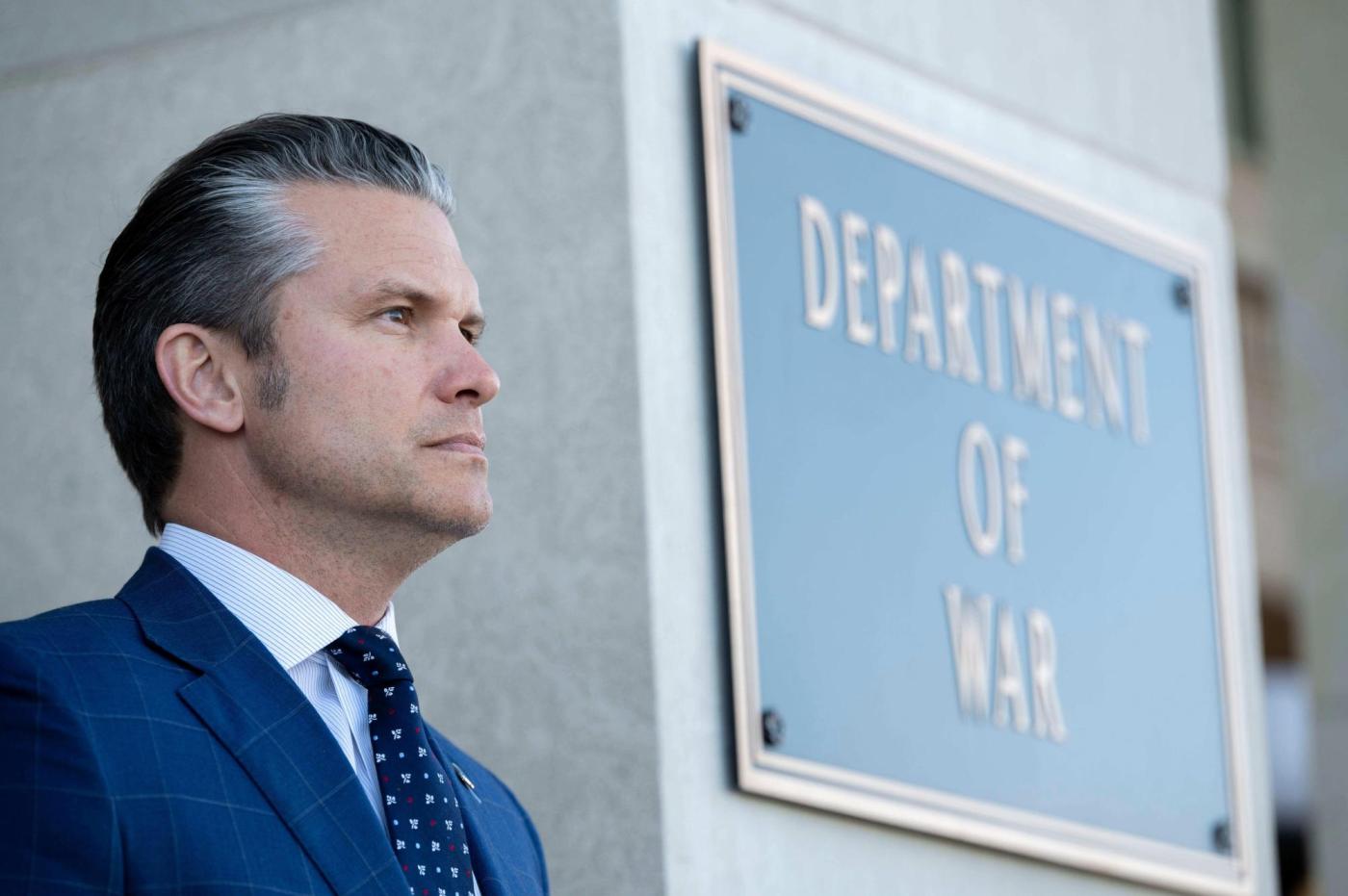
A U.S. military commander recently declared that Donald Trump has been “anointed by Jesus” to ignite conflict in Iran, framing it as a necessary step toward Armageddon. This assertion came during a military briefing with combat troops, stirring considerable controversy. The statement highlights a troubling intertwining of religious rhetoric and military operations as the Military Religious Freedom Foundation reported receiving over 200 calls from 50 military installations, revealing similar sentiments among service members.
The notion that the current tensions with Iran are part of a divine plan has raised eyebrows, especially given the historical context of American military interventions. Critics argue that such rhetoric misrepresents the realities on the ground and simplifies complex geopolitical situations. As military leaders suggest that these actions are integral to the imminent return of Jesus, many question the implications of such claims on U.S. foreign policy and military ethics.
Historical Context and Contemporary Implications
The rhetoric surrounding Iran echoes the flawed narratives that characterized the U.S. involvement in Vietnam. A generation of military personnel, including commentators like Pete Hegseth, appear disconnected from the lessons of history. The Vietnam War, often remembered for its misguided justifications and tragic outcomes, serves as a cautionary tale about the consequences of military action based on erroneous beliefs.
In Vietnam, intense bombing campaigns led to unintended insurgencies, such as the rise of the Khmer Rouge and the ensuing Cambodian genocide, which resulted in approximately 1.5 million deaths. The parallels drawn between past conflicts and current military strategies in Iran underscore the potential for similar miscalculations today. The history of American military engagement illustrates how military interventions can produce long-lasting instability rather than immediate resolution.
Challenges of Understanding Foreign Cultures
The complex cultural landscapes of nations like Vietnam and Iran further complicate U.S. military strategies. Both countries boast rich histories, with civilizations that date back thousands of years. The U.S., by contrast, is a relatively young nation with a distinct cultural identity. This cultural gap can lead to misunderstandings about governance, freedom, and the expected outcomes of military actions.
Military leaders have often expressed a belief that force can bring about peace, a sentiment that echoes the paradoxical slogans found in George Orwell’s 1984. Such sentiments raise profound ethical questions about the motivations behind military engagement and the narratives constructed to justify them. Critics argue that equating war with peace ignores the real human cost of conflict, as evidenced by recent casualties in various hotspots around the world.
As the discourse surrounding these military actions continues to unfold, the implications for both U.S. foreign policy and domestic perceptions of military service are significant. The intertwining of religious justifications with military objectives presents a challenging landscape for those advocating for a more nuanced understanding of international relations.
In light of these developments, it becomes increasingly vital for military leaders and policymakers to reflect on the historical precedents and cultural complexities that shape their actions. The comments made by military officials must prompt critical conversations about the ethical dimensions of warfare and the responsibilities of those in power to their troops and the nations they engage with.

Urgent Swatting Incident Ties Up Emergency Resources in Alabama

Urgent Tax Alert: Claim Your Deductions Before April 15!

Scientists Investigate Cosmic Defects: Where Are They Now?

Spring Bocce Leagues Open Registration in Rapid City

CALV Offers Essential Communication Class for Real Estate Pros

Samsung Galaxy Watch 9 Set for Larger 435mAh Battery Upgrade

Healthy Choice Wellness Reports Earnings, Stock Sees Uptick

Prince Harry Claims to Be ‘Antidote to Andrew’ Amid Royal Crisis

Pet Owners Weigh Kibble Against Fresh Dog Food Options

ALMA Discovers Companion Orbiting Giant Star π 1 Gruis

U.S. Visa Rescheduling Hits H‐1B Applicants as New Vetting Rules Take Effect

University of Hawaiʻi Joins $25.6M AI Project for Disaster Monitoring

F-22 Raptor vs. Su-57 Felon: A 2025 Fighter Jet Comparison

Ohio State Study Uncovers Brain Connectivity and Function Links

Recent Divorce Judgments from Iberia Parish Court Records

Prince Andrew Faces Fallout from Scandals and Allegations

Urgent: Flight Cancellations Loom at Texas Airports Amid Shutdown

Frank Dunn, Esteemed Builder and Community Leader, Passes Away at 89
-
 Science8 months ago
ALMA Discovers Companion Orbiting Giant Star π 1 Gruis
-
 Politics6 months ago
U.S. Visa Rescheduling Hits H‐1B Applicants as New Vetting Rules Take Effect
-
Science8 months ago
University of Hawaiʻi Joins $25.6M AI Project for Disaster Monitoring
-
 World8 months ago
F-22 Raptor vs. Su-57 Felon: A 2025 Fighter Jet Comparison
-
 Science8 months ago
Ohio State Study Uncovers Brain Connectivity and Function Links
-
 Politics8 months ago
Recent Divorce Judgments from Iberia Parish Court Records
-
 World8 months ago
Prince Andrew Faces Fallout from Scandals and Allegations
-
 Top Stories8 months ago
Urgent: Flight Cancellations Loom at Texas Airports Amid Shutdown
-
 Lifestyle8 months ago
Frank Dunn, Esteemed Builder and Community Leader, Passes Away at 89
-

 Business8 months ago
Appian Recognizes 2025 Partner Award Winners for Enterprise Innovation
-

 Entertainment6 months ago
Malachi Barton Tops Google Searches as Disney’s Rising Star of 2025
-

 Science9 months ago
Innovator Captures Light at 2 Billion Frames Per Second