
Lifestyle
Faith Leaders Unite for Smoke-Free Living at Health Summit

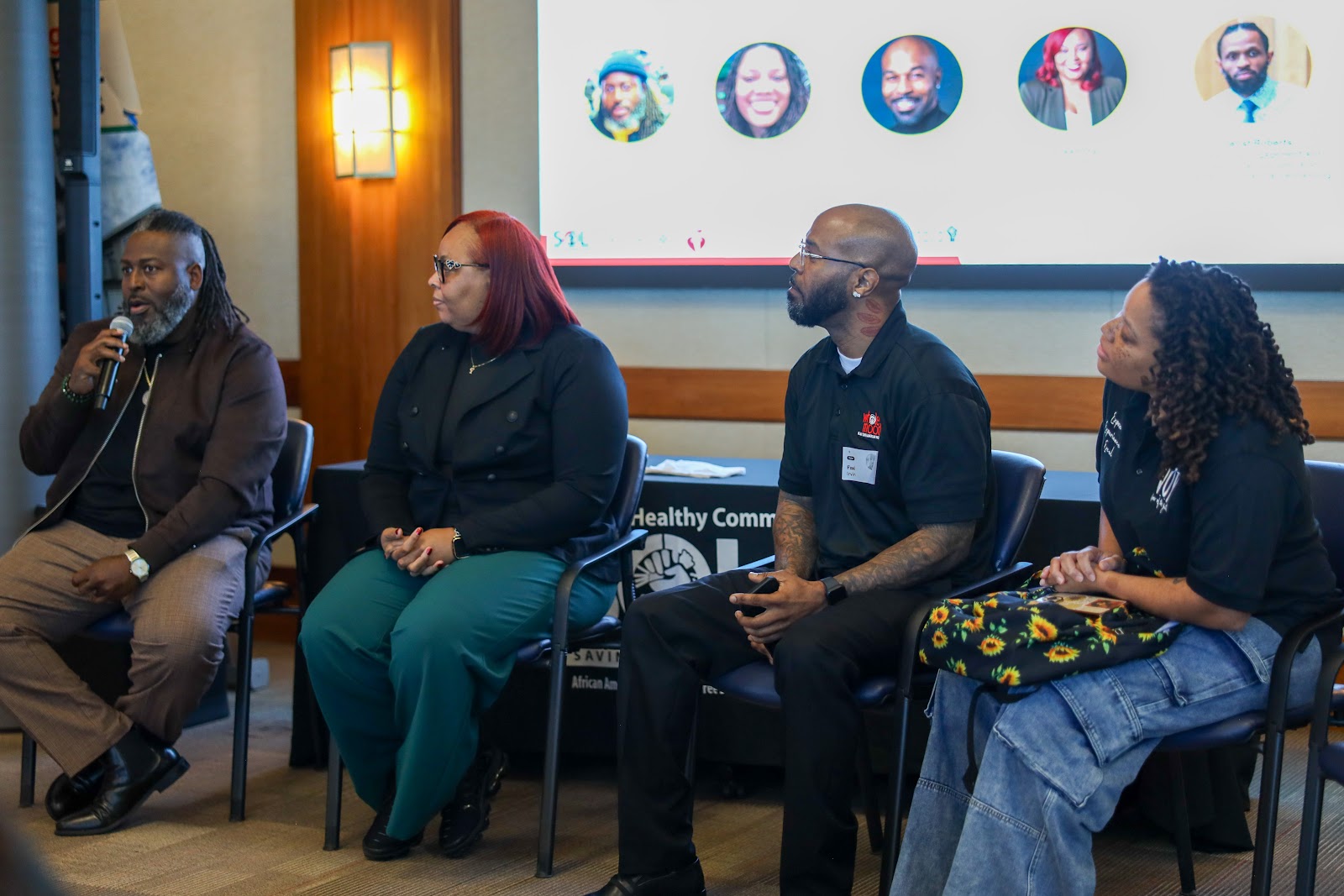
On February 26, 2024, a significant gathering took place at the Sierra Health Foundation, where faith leaders and community advocates called for smoke-free living as a matter of equity. Fxxii Irvin, a youth advocate with the Black Youth Leadership Project, shared personal observations about the detrimental effects of smoking in his community, emphasizing the influence of marketing and accessibility long before the health risks became widely understood. He pointed out the need for collective accountability to safeguard future generations against tobacco harm.
This event was part of the third Faith in Health Collaborative Summit, organized by the SOL Project. The summit’s discussions centered on the disproportionate targeting of Black communities by the tobacco industry and the necessity for community-led solutions. According to Kimberly Bankston-Lee, founder and executive director of the SOL Project, their mission is to advance the health of African Americans and marginalized populations by addressing the impacts of commercial tobacco through policy change and culturally relevant education.
The California Department of Public Health reports that while the overall smoking rate in California has fallen below 10%, around 80-85% of Black smokers nationwide use menthol cigarettes. These products, heavily marketed in Black neighborhoods, contribute to higher addiction rates and complications in quitting.
Reinforcing Community and Faith Leadership
The summit’s theme, “Black Health in 2026: Strengthening Our Future Through Smoke-Free Living and Community Care,” highlighted tobacco’s connection to various aspects of life, including faith, housing, and systemic equity. Gregory Bolden, community initiatives program manager with the Center for Black Health and Equity, urged attendees to view tobacco prevention as a movement entrenched in culture and faith.
Pastor Tecoy Porter, senior pastor of Genesis Church Sacramento, conveyed that smoke-free living is critical for families facing economic challenges. He remarked, “Smoke-free living is about honoring the whole person. Body, mind, and spirit.” Similarly, Pastor Deborah Simmons from the South Sacramento Christian Center emphasized the importance of knowledge in fostering health within communities.
Reverend Dr. Joy Johnson, founding pastor of Higher Hope Christian Church, highlighted that churches must expand their missions to encompass physical wellness for the neighborhoods they serve. Meanwhile, Pastor Dominique Beaumonte of Reconciliation Church encouraged faith communities to confront difficult discussions surrounding tobacco and addiction.
Together, these faith leaders established churches as vital resources for education, prevention, and advocacy, extending their roles beyond traditional worship.
Addressing Health Disparities and Access to Care
As faith leaders focused on moral responsibility, health officials underscored the importance of access to care. Savannah Robinson, community relations professional with Anthem Blue Cross Medi-Cal, detailed free cessation resources available to Medi-Cal members in Sacramento County. Anthem provides support to nearly 250,000 members, offering access to evidence-based quitting tools at no cost, including the EX Program developed by the Truth Initiative and Mayo Clinic.
Robinson also highlighted the significance of primary care visits, stating, “Primary care visits are literally the backbone for a person’s overall health.” She encouraged individuals who wish to quit smoking to communicate with their doctors for medication authorization and referrals to behavioral health.
While access to resources is crucial, advocates assert that it is not sufficient to close equity gaps. Rhonda Smith, executive director of the California Black Health Network, noted a life expectancy gap of approximately 6 to 6.5 years for Black Californians compared to other residents, a disparity exacerbated by the COVID-19 pandemic. She emphasized the need for collective action to protect access to preventive services.
Summit leaders also pointed out the necessity of structural protections in multi-unit housing to combat secondhand smoke exposure. Leila Gholamrezaei-Eha, project director for the tobacco prevention program at the Fresno County Department of Public Health, shared successful policy models in Fresno that engaged tenants and landlords in creating smoke-free environments.
“This approach started with conversation and education, not punishment,” Gholamrezaei-Eha explained, advocating for policies framed around health protection rather than criminalization. She emphasized that tenant voices should guide the policy-making process to ensure that rules are effective and community-driven.
The consensus among speakers was clear: smoke-free living must extend beyond individual efforts to include broader tenant protections and community-led initiatives.
Empowering Youth Against Tobacco Use
Youth prevention emerged as a critical focal point, with speakers highlighting the evolving landscape of nicotine addiction. The 2024 California Youth Tobacco Survey indicated that approximately 6.4% of high school students statewide currently use tobacco products, including vapes and nicotine pouches.
Berry Accius, founder and executive director of Voice of the Youth, explained how vaping devices have transformed nicotine consumption among teenagers, often going unnoticed by parents and educators. He emphasized the normalization of these products, stating, “When something feels common, when it’s marketed in ways that look harmless or even cool, that’s when it spreads.”
Lorreen Pryor, president and CEO of the Black Leadership Project, echoed the need for proactive prevention strategies. She highlighted that many young people are dealing with stress and trauma without adequate adult support. “If we don’t step in early with truth and support, the industry will step in with marketing,” she warned.
Kayla Green, a trauma-informed youth advocate, added that misinformation about vaping contributes to the problem. “There’s a belief that vaping isn’t really smoking,” she said, emphasizing the need for honest conversations about the risks involved.
As the summit concluded, participants reiterated the urgency of addressing tobacco’s impact, particularly within marginalized communities. Fxxii Irvin encapsulated this sentiment, stating, “This isn’t abstract. It’s our families, our kids, our future.” The call for smoke-free living as a matter of equity remains a pressing issue, underscoring the collective responsibility to protect the health of vulnerable populations.

Urgent Swatting Incident Ties Up Emergency Resources in Alabama

Urgent Tax Alert: Claim Your Deductions Before April 15!

Scientists Investigate Cosmic Defects: Where Are They Now?

Spring Bocce Leagues Open Registration in Rapid City

CALV Offers Essential Communication Class for Real Estate Pros

Samsung Galaxy Watch 9 Set for Larger 435mAh Battery Upgrade

Healthy Choice Wellness Reports Earnings, Stock Sees Uptick

Prince Harry Claims to Be ‘Antidote to Andrew’ Amid Royal Crisis

Pet Owners Weigh Kibble Against Fresh Dog Food Options

ALMA Discovers Companion Orbiting Giant Star π 1 Gruis

U.S. Visa Rescheduling Hits H‐1B Applicants as New Vetting Rules Take Effect

University of Hawaiʻi Joins $25.6M AI Project for Disaster Monitoring

F-22 Raptor vs. Su-57 Felon: A 2025 Fighter Jet Comparison

Ohio State Study Uncovers Brain Connectivity and Function Links

Recent Divorce Judgments from Iberia Parish Court Records

Prince Andrew Faces Fallout from Scandals and Allegations

Urgent: Flight Cancellations Loom at Texas Airports Amid Shutdown

Frank Dunn, Esteemed Builder and Community Leader, Passes Away at 89
-
 Science8 months ago
ALMA Discovers Companion Orbiting Giant Star π 1 Gruis
-
 Politics6 months ago
U.S. Visa Rescheduling Hits H‐1B Applicants as New Vetting Rules Take Effect
-
Science8 months ago
University of Hawaiʻi Joins $25.6M AI Project for Disaster Monitoring
-
 World8 months ago
F-22 Raptor vs. Su-57 Felon: A 2025 Fighter Jet Comparison
-
 Science8 months ago
Ohio State Study Uncovers Brain Connectivity and Function Links
-
 Politics8 months ago
Recent Divorce Judgments from Iberia Parish Court Records
-
 World8 months ago
Prince Andrew Faces Fallout from Scandals and Allegations
-
 Top Stories8 months ago
Urgent: Flight Cancellations Loom at Texas Airports Amid Shutdown
-
 Lifestyle8 months ago
Frank Dunn, Esteemed Builder and Community Leader, Passes Away at 89
-

 Business8 months ago
Appian Recognizes 2025 Partner Award Winners for Enterprise Innovation
-

 Entertainment6 months ago
Malachi Barton Tops Google Searches as Disney’s Rising Star of 2025
-

 Science9 months ago
Innovator Captures Light at 2 Billion Frames Per Second