
Health
Trump Proposes Health Care Overhaul, Excludes Tax Credit Extensions

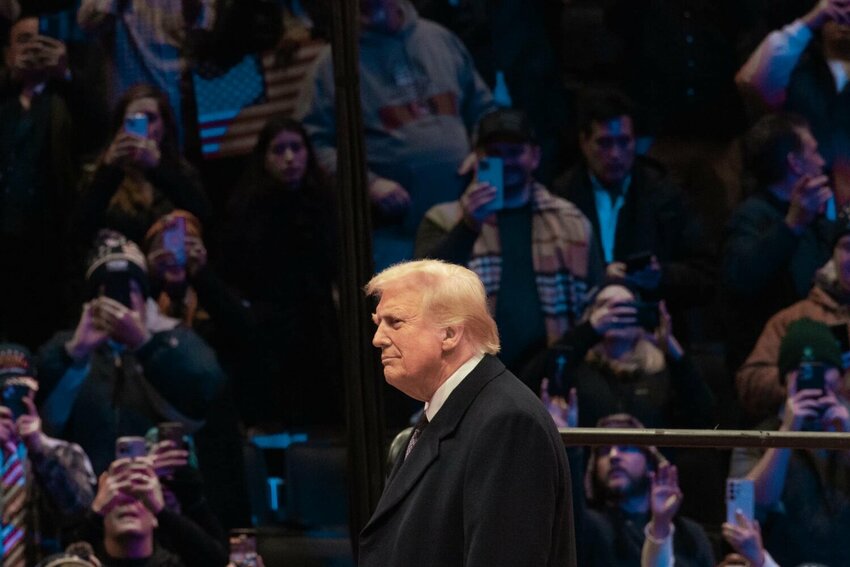
President Donald Trump presented a new framework for health care reform to Congress on March 16, 2023, urging lawmakers to approve several significant policy changes promptly. Notably absent from his proposal was any mention of extending enhanced tax credits that expired in December 2025, which have left many Americans facing soaring health care costs.
Health care costs have emerged as a critical issue, particularly following last year’s government shutdown, during which Democrats urged Republicans to extend the now-expired tax credits associated with the Affordable Care Act (ACA) marketplace plans. In a five-minute video, Trump reiterated his call for Congress to provide direct financial assistance to Americans to help offset health insurance and health care costs.
Trump’s proposal suggests that the government pay money directly to individuals, allowing them to purchase their own health care. “Nobody has ever heard of that before, and that’s the way it is. The big insurance companies lose and the people of our country win,” he stated. However, he did not specify income limits for these direct payments or the amount that should be allocated, leaving it to Congress to determine the details.
Lower Drug Prices and Transparency
In addition to addressing health insurance costs, Trump called for legislation requiring prescription drug companies to ensure that Americans pay the lowest prices globally for pharmaceuticals. This initiative, known as the “most favored nation” policy, has been a central focus during his second term. “We will now be paying the lowest cost paid by any other nation,” he asserted, emphasizing that Americans should benefit from these proposed savings.
The framework, which Trump dubbed “The Great Health Care Plan,” also mandates that health insurance companies and providers disclose clear and understandable information regarding their charges and profits. “Sunlight is the best disinfectant,” he said, emphasizing the need for insurance companies to publish rate and coverage comparisons in simple language. Furthermore, he added that insurers must reveal their claims denial rates and the outcomes of appeals against those denials.
Trump suggested that any facility or insurer accepting Medicare or Medicaid should prominently display their pricing, allowing consumers to shop for better deals and avoid unexpected costs. This call for price transparency echoes a 2019 rule aimed at similar goals.
Path Forward in Congress
A one-page outline of the proposal posted on the White House website did not clarify whether Trump intends for Congress to utilize the budget reconciliation process, previously employed to pass major legislation, or to pursue a bipartisan agreement. A White House official indicated that they believe the proposals enjoy broad public support and that both parties could potentially embrace them, suggesting bipartisan negotiations could be possible.
The official emphasized that the absence of a reference to the expired tax credits was not meant to undermine ongoing bipartisan discussions in the Senate. “This does not specifically address those bipartisan congressional negotiations that are going on,” the official stated. Instead, it reflects a preference for directing funds to individuals rather than insurance companies.
Dr. Mehmet Oz, Administrator of the Centers for Medicare & Medicaid Services, articulated that the proposal is built on four fundamental pillars: securing most favored nation drug pricing, reducing health insurance costs, enhancing transparency from insurers, and providing clearer pricing information from health care providers. He expressed optimism about potential bipartisan support for some of these measures.
The administration intends for Congress to grant the Food and Drug Administration greater authority to convert prescription medications into over-the-counter options, potentially increasing competition and driving down prices. By codifying these proposals into law, the administration aims to ensure ongoing engagement from drug manufacturers and promote stability in the health care market.
Trump’s health care framework represents a significant move to reshape the landscape of American health care, focusing on affordability and transparency while leaving key details for Congress to negotiate. As discussions unfold, the administration remains committed to making progress in an increasingly complex policy environment.

Urgent Swatting Incident Ties Up Emergency Resources in Alabama

Urgent Tax Alert: Claim Your Deductions Before April 15!

Scientists Investigate Cosmic Defects: Where Are They Now?

Spring Bocce Leagues Open Registration in Rapid City

CALV Offers Essential Communication Class for Real Estate Pros

Samsung Galaxy Watch 9 Set for Larger 435mAh Battery Upgrade

Healthy Choice Wellness Reports Earnings, Stock Sees Uptick

Prince Harry Claims to Be ‘Antidote to Andrew’ Amid Royal Crisis

Pet Owners Weigh Kibble Against Fresh Dog Food Options

ALMA Discovers Companion Orbiting Giant Star π 1 Gruis

U.S. Visa Rescheduling Hits H‐1B Applicants as New Vetting Rules Take Effect

University of Hawaiʻi Joins $25.6M AI Project for Disaster Monitoring

F-22 Raptor vs. Su-57 Felon: A 2025 Fighter Jet Comparison

Recent Divorce Judgments from Iberia Parish Court Records

Ohio State Study Uncovers Brain Connectivity and Function Links

Prince Andrew Faces Fallout from Scandals and Allegations

Urgent: Flight Cancellations Loom at Texas Airports Amid Shutdown

Frank Dunn, Esteemed Builder and Community Leader, Passes Away at 89
-
 Science8 months ago
ALMA Discovers Companion Orbiting Giant Star π 1 Gruis
-
 Politics6 months ago
U.S. Visa Rescheduling Hits H‐1B Applicants as New Vetting Rules Take Effect
-
Science8 months ago
University of Hawaiʻi Joins $25.6M AI Project for Disaster Monitoring
-
 World8 months ago
F-22 Raptor vs. Su-57 Felon: A 2025 Fighter Jet Comparison
-
 Politics8 months ago
Recent Divorce Judgments from Iberia Parish Court Records
-
 Science8 months ago
Ohio State Study Uncovers Brain Connectivity and Function Links
-
 World8 months ago
Prince Andrew Faces Fallout from Scandals and Allegations
-
 Top Stories8 months ago
Urgent: Flight Cancellations Loom at Texas Airports Amid Shutdown
-
 Lifestyle8 months ago
Frank Dunn, Esteemed Builder and Community Leader, Passes Away at 89
-

 Business8 months ago
Appian Recognizes 2025 Partner Award Winners for Enterprise Innovation
-

 Entertainment6 months ago
Malachi Barton Tops Google Searches as Disney’s Rising Star of 2025
-

 Science9 months ago
Innovator Captures Light at 2 Billion Frames Per Second