
Health
Prioritize Sleep This New Year: Experts Recommend 8 Hours for Health

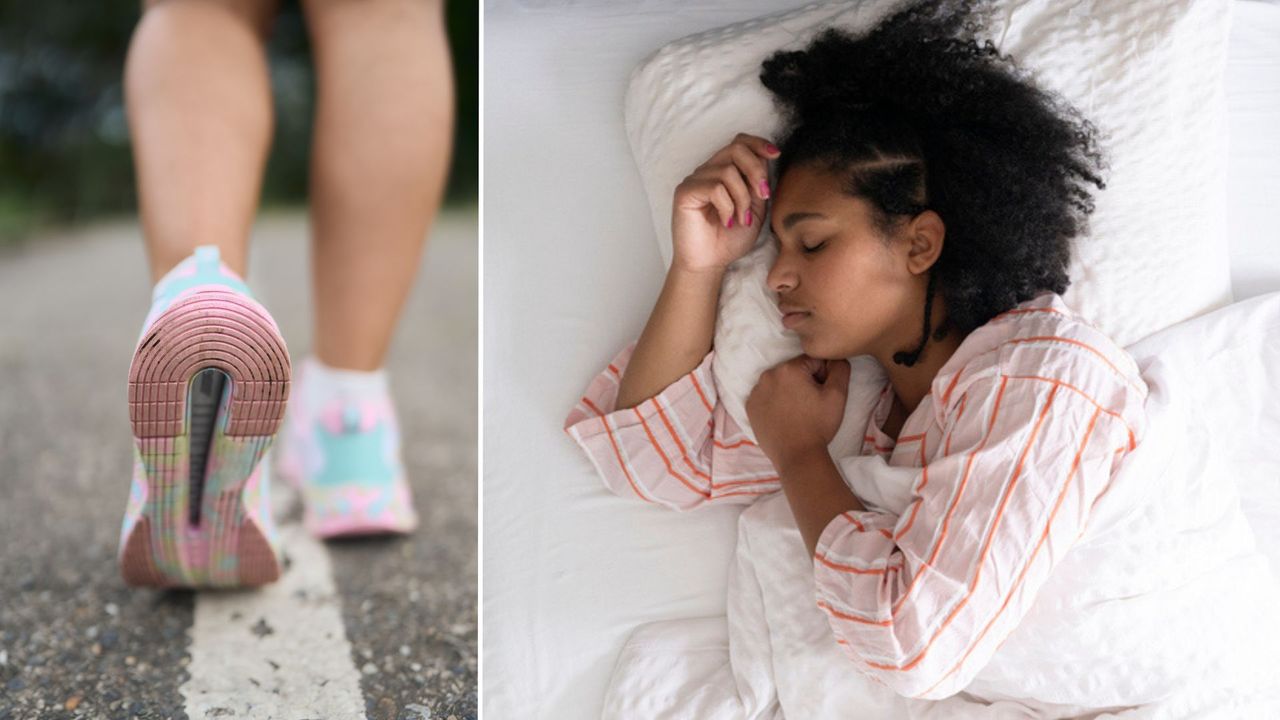
As the festive season concludes, many individuals are setting ambitious health goals for the new year. Among these aspirations—walking 10,000 steps a day, consuming five servings of fruits and vegetables, drinking adequate water, exercising for at least an hour, and making financial improvements—one health goal stands out as essential for overall well-being: obtaining eight hours of sleep each night.
With a significant portion of the population feeling overwhelmed by these health targets, experts highlight that achieving all these recommendations is often unattainable. Current research indicates that only 13% of individuals manage to get eight hours of sleep while also achieving 8,000 steps daily. This underscores the importance of prioritizing sleep over other health metrics.
A recent study published in the Communications Medicine Journal reveals that quality sleep significantly impacts daily activity levels. The research, which analyzed data from over 70,000 global users of health tracking devices, suggests that achieving sufficient sleep correlates positively with increased physical activity the following day.
Sleep Quality vs. Quantity
The findings indicate that individuals who average approximately six hours of sleep tend to take more steps the next day. Conversely, the study found that simply increasing physical activity does not necessarily improve sleep quality. Dr. Olalekan Otulana, a general practitioner and physician, emphasizes the critical role of sleep, stating, “Sleep is a basic health need just like eating well or staying active.”
The research also noted that nearly 17% of the population averages less than seven hours of sleep and fewer than 5,000 steps per day, a statistic that raises concerns among health professionals. Dr. Lamees Hamdan, an integrative medical doctor and longevity expert, highlights that prioritizing sleep can lead to healthier lifestyle choices in other areas.
Benefits of Quality Sleep
Prioritizing sleep can profoundly influence various health metrics. Improved sleep quality contributes to enhanced energy levels, better coordination, and increased motivation. Dr. Otulana points out that when well-rested, individuals are more inclined to engage in physical activity, while poor sleep often leads to fatigue and slower reaction times, hindering movement goals.
Additionally, sleep has a significant impact on hunger regulation. Lack of sleep can disrupt the balance of hormones that control appetite, leading to increased cravings for unhealthy foods. According to a study by the Sleep Research Society, sleep deprivation elevates levels of the hunger hormone ghrelin, making individuals feel hungrier and less satisfied after meals.
Furthermore, good sleep is essential for cognitive function. Dr. Otulana notes that sleep is crucial for concentration, memory, and decision-making. Insufficient sleep can lead to forgetfulness and decreased problem-solving abilities, which can hinder career and academic goals.
As the new year begins, it is crucial to remember that sleep should not be viewed as a luxury but as a fundamental health requirement. “Sleep is not wasted time,” Dr. Otulana asserts. “It is a basic health need just like eating well or staying active. Protecting your sleep often makes everything else—exercise, mood, weight—much easier to achieve.”
In summary, while setting various health goals for the new year, consider prioritizing sleep to enhance overall well-being. Focusing on obtaining quality sleep can create a strong foundation for achieving other health targets, ultimately leading to a healthier and more fulfilling life in 2026 and beyond.

Urgent Swatting Incident Ties Up Emergency Resources in Alabama

Urgent Tax Alert: Claim Your Deductions Before April 15!

Scientists Investigate Cosmic Defects: Where Are They Now?

Spring Bocce Leagues Open Registration in Rapid City

CALV Offers Essential Communication Class for Real Estate Pros

Samsung Galaxy Watch 9 Set for Larger 435mAh Battery Upgrade

Healthy Choice Wellness Reports Earnings, Stock Sees Uptick

Prince Harry Claims to Be ‘Antidote to Andrew’ Amid Royal Crisis

Pet Owners Weigh Kibble Against Fresh Dog Food Options

ALMA Discovers Companion Orbiting Giant Star π 1 Gruis

U.S. Visa Rescheduling Hits H‐1B Applicants as New Vetting Rules Take Effect

University of Hawaiʻi Joins $25.6M AI Project for Disaster Monitoring

F-22 Raptor vs. Su-57 Felon: A 2025 Fighter Jet Comparison

Recent Divorce Judgments from Iberia Parish Court Records

Ohio State Study Uncovers Brain Connectivity and Function Links

Prince Andrew Faces Fallout from Scandals and Allegations

Urgent: Flight Cancellations Loom at Texas Airports Amid Shutdown

Frank Dunn, Esteemed Builder and Community Leader, Passes Away at 89
-
 Science8 months ago
ALMA Discovers Companion Orbiting Giant Star π 1 Gruis
-
 Politics6 months ago
U.S. Visa Rescheduling Hits H‐1B Applicants as New Vetting Rules Take Effect
-
Science8 months ago
University of Hawaiʻi Joins $25.6M AI Project for Disaster Monitoring
-
 World8 months ago
F-22 Raptor vs. Su-57 Felon: A 2025 Fighter Jet Comparison
-
 Politics8 months ago
Recent Divorce Judgments from Iberia Parish Court Records
-
 Science9 months ago
Ohio State Study Uncovers Brain Connectivity and Function Links
-
 World8 months ago
Prince Andrew Faces Fallout from Scandals and Allegations
-
 Top Stories8 months ago
Urgent: Flight Cancellations Loom at Texas Airports Amid Shutdown
-
 Lifestyle8 months ago
Frank Dunn, Esteemed Builder and Community Leader, Passes Away at 89
-

 Business8 months ago
Appian Recognizes 2025 Partner Award Winners for Enterprise Innovation
-

 Entertainment6 months ago
Malachi Barton Tops Google Searches as Disney’s Rising Star of 2025
-

 Science9 months ago
Innovator Captures Light at 2 Billion Frames Per Second