
Health
Mark Cuban Challenges Elon Musk on Healthcare Control and Innovation

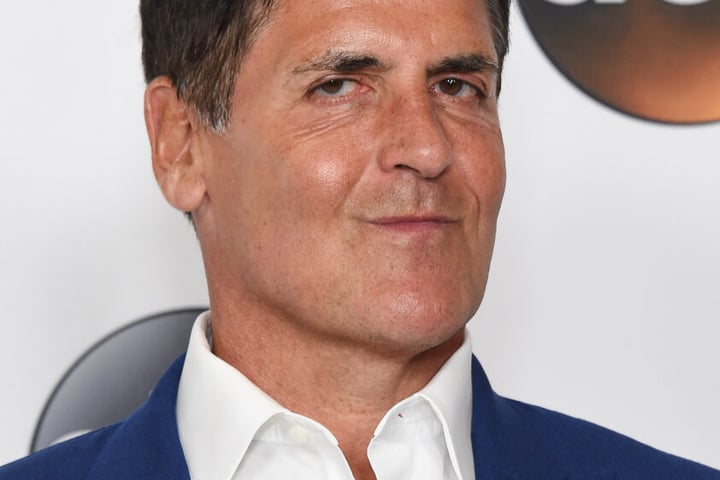
Mark Cuban has raised serious questions regarding the influence of insurance companies and Pharmacy Benefit Managers (PBMs) over healthcare. In a series of posts on X, the owner of the Dallas Mavericks criticized these entities for exerting more control over healthcare than federal authorities, suggesting they hinder innovative solutions for employees.
Cuban’s comments were sparked by a statement from Elon Musk, who likened government healthcare to having the Department of Motor Vehicles (DMV) serve as a doctor. In his posts, Cuban stated, “What insurance companies and PBMs do you use for your companies? Wanna bet they have more control over your healthcare than the feds ever could? Wanna bet they won’t let you use Grok or Optimus for your own employees? Wanna bet they won’t let you publish your contracts? The regulatory capture in the industry by the biggest players is worse than what the government would do to healthcare. Prove me wrong.”
This exchange highlights a growing debate around the role of insurance companies and PBMs in the healthcare sector. Critics argue that these organizations often prioritize profit over patient care, impacting the accessibility of essential medical solutions. Cuban’s focus on innovative healthcare technologies like Grok and Optimus underscores the challenges these solutions face in gaining traction against established industry players.
In response to Cuban’s provocative statements, Michael Dahle praised Musk’s insurance offerings, asserting that they provide exceptional coverage. “I am a recipient of that insurance. They cover way more than normal. He has not skimped on that,” Dahle noted, sparking further discussion about the quality of insurance provided by Musk’s companies.
Cuban’s posts reflect a broader concern among healthcare advocates about the power dynamics in the industry. The increasing dominance of insurance companies and PBMs is seen as a significant barrier to the adoption of innovative healthcare solutions that could improve patient outcomes. The conversation around these issues is gaining momentum, as more voices join the call for reform in how healthcare is managed in the United States.
As the dialogue continues, it remains to be seen how these discussions will influence public perception and policymaking in the healthcare industry. Cuban’s challenge to Musk and the established order serves as a reminder of the complex interplay between innovation and regulation in healthcare, with significant implications for patients and providers alike.
The exchange also brings to light the ongoing challenges faced by innovative healthcare solutions. Cuban’s emphasis on the reluctance of larger entities to embrace new technologies like Grok and Optimus points to a significant hurdle for the future of healthcare innovation. As these discussions evolve, they will likely shape the landscape of healthcare delivery and insurance coverage in the years to come.

Urgent Swatting Incident Ties Up Emergency Resources in Alabama

Urgent Tax Alert: Claim Your Deductions Before April 15!

Scientists Investigate Cosmic Defects: Where Are They Now?

Spring Bocce Leagues Open Registration in Rapid City

CALV Offers Essential Communication Class for Real Estate Pros

Samsung Galaxy Watch 9 Set for Larger 435mAh Battery Upgrade

Healthy Choice Wellness Reports Earnings, Stock Sees Uptick

Prince Harry Claims to Be ‘Antidote to Andrew’ Amid Royal Crisis

Pet Owners Weigh Kibble Against Fresh Dog Food Options

ALMA Discovers Companion Orbiting Giant Star π 1 Gruis

U.S. Visa Rescheduling Hits H‐1B Applicants as New Vetting Rules Take Effect

University of Hawaiʻi Joins $25.6M AI Project for Disaster Monitoring

F-22 Raptor vs. Su-57 Felon: A 2025 Fighter Jet Comparison

Recent Divorce Judgments from Iberia Parish Court Records

Ohio State Study Uncovers Brain Connectivity and Function Links

Prince Andrew Faces Fallout from Scandals and Allegations

Urgent: Flight Cancellations Loom at Texas Airports Amid Shutdown

Frank Dunn, Esteemed Builder and Community Leader, Passes Away at 89
-
 Science8 months ago
ALMA Discovers Companion Orbiting Giant Star π 1 Gruis
-
 Politics6 months ago
U.S. Visa Rescheduling Hits H‐1B Applicants as New Vetting Rules Take Effect
-
Science8 months ago
University of Hawaiʻi Joins $25.6M AI Project for Disaster Monitoring
-
 World8 months ago
F-22 Raptor vs. Su-57 Felon: A 2025 Fighter Jet Comparison
-
 Politics8 months ago
Recent Divorce Judgments from Iberia Parish Court Records
-
 Science9 months ago
Ohio State Study Uncovers Brain Connectivity and Function Links
-
 World8 months ago
Prince Andrew Faces Fallout from Scandals and Allegations
-
 Top Stories8 months ago
Urgent: Flight Cancellations Loom at Texas Airports Amid Shutdown
-
 Lifestyle8 months ago
Frank Dunn, Esteemed Builder and Community Leader, Passes Away at 89
-

 Business8 months ago
Appian Recognizes 2025 Partner Award Winners for Enterprise Innovation
-

 Entertainment6 months ago
Malachi Barton Tops Google Searches as Disney’s Rising Star of 2025
-

 Science9 months ago
Innovator Captures Light at 2 Billion Frames Per Second