
Entertainment
Unraveling the Seven Kingdoms: A Historical Overview of Westeros

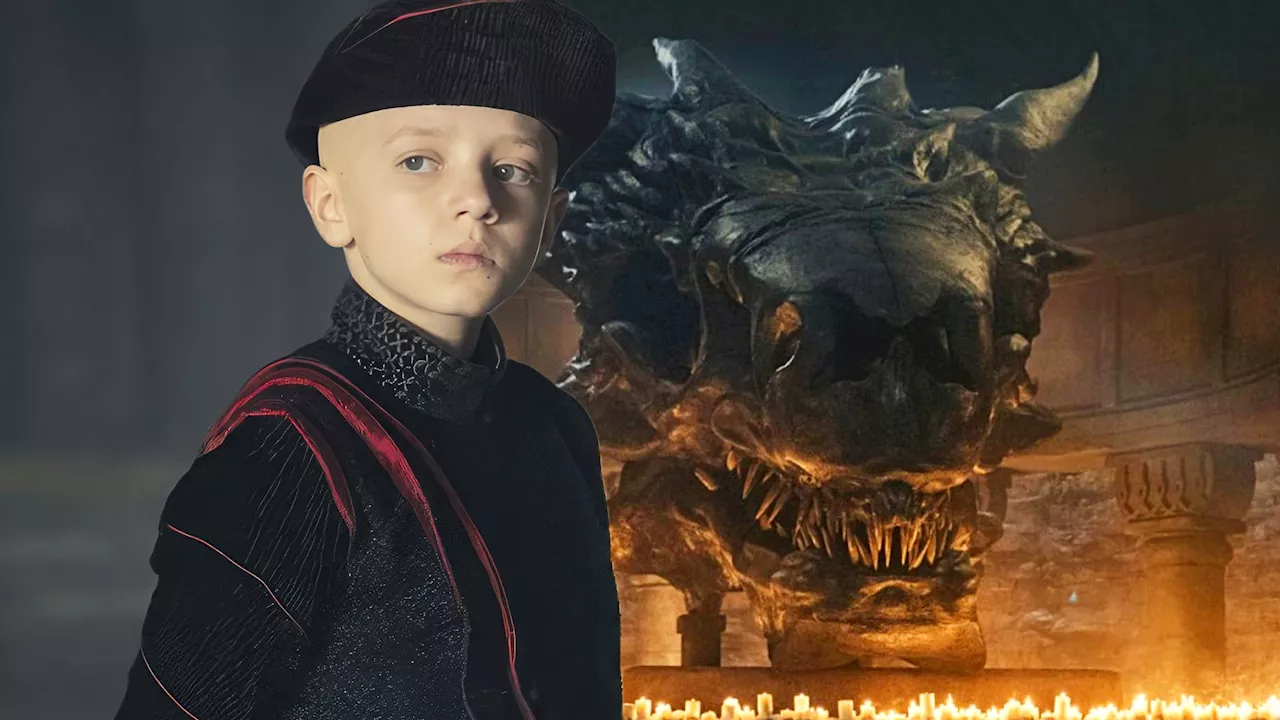
The complexities of the Seven Kingdoms in Westeros reveal a rich tapestry of history, particularly through the lens of Aegon the Conqueror and his ambitious quest to unite a fractured land. This exploration offers insights into how the political landscape evolved under the Targaryens and the implications for future adaptations, including a prequel series that promises to deepen the lore.
The Conquest and Its Implications
When Aegon the Conqueror and his sister-wives, Rhaenys and Visenya, launched their campaign from Dragonstone, they encountered a fragmented Westeros, divided into seven distinct kingdoms. This landscape had a long history of division; at one point, it even comprised around 100 kingdoms. Aegon’s initial conquests were not as straightforward as one might assume, particularly due to the resistance of Dorne, which ultimately delayed its integration into the realm.
Aegon’s ascent to power marked a significant shift, as he was crowned king and established the framework of the future Targaryen dynasty. Symbolically, the number seven played a crucial role, aligning with the beliefs of the Faith of the Seven, which bestowed legitimacy upon his reign. Thus, the term “Seven Kingdoms” remained relevant, even as the political landscape shifted.
Following his conquest, Aegon rewarded House Tully with the rule of the riverlands, further solidifying the Targaryen grip on the realm. Even without Dorne’s allegiance, Aegon’s rule encompassed seven regions, allowing the nomenclature of “Seven Kingdoms” to persist. Nevertheless, the creation of the crownlands surrounding King’s Landing introduced complexities, as this area became a pivotal part of the Targaryen legacy.
Future Adaptations and Unexplored Narratives
The upcoming prequel, tentatively linked to Aegon’s Conquest, aims to illuminate aspects of Westeros that have remained largely unexplored on screen. This adaptation will not only depict the divided kingdoms but also delve into the dynamics that led to the unification under the Targaryen dynasty. It is anticipated that the series will introduce characters representing the various rulers of the distinct regions.
While the prequel will provide context for Aegon’s conquests, it will likely omit Dorne’s eventual alliance with the Iron Throne, which did not occur until 161 years after the Conquest. This omission suggests a focus on earlier events that shaped the Targaryen legacy, rather than the later developments that would further complicate the political landscape.
As the narrative unfolds, audiences will gain a clearer understanding of the historical underpinnings of the Seven Kingdoms, an aspect that may have confused viewers of previous adaptations, particularly those unfamiliar with George R. R. Martin‘s A Song of Ice and Fire series. The forthcoming series is poised to clarify these intricacies, creating a bridge between the established lore and new interpretations.
The exploration of Westeros’s history is not merely an academic pursuit; it resonates with audiences eager to understand the foundations of the world they have come to love. With each new adaptation, there lies an opportunity to enrich the narrative, allowing both long-time fans and newcomers to appreciate the depth of this iconic fantasy realm.

Urgent Swatting Incident Ties Up Emergency Resources in Alabama

Urgent Tax Alert: Claim Your Deductions Before April 15!

Scientists Investigate Cosmic Defects: Where Are They Now?

Spring Bocce Leagues Open Registration in Rapid City

CALV Offers Essential Communication Class for Real Estate Pros

Samsung Galaxy Watch 9 Set for Larger 435mAh Battery Upgrade

Healthy Choice Wellness Reports Earnings, Stock Sees Uptick

Prince Harry Claims to Be ‘Antidote to Andrew’ Amid Royal Crisis

Pet Owners Weigh Kibble Against Fresh Dog Food Options

ALMA Discovers Companion Orbiting Giant Star π 1 Gruis

U.S. Visa Rescheduling Hits H‐1B Applicants as New Vetting Rules Take Effect

University of Hawaiʻi Joins $25.6M AI Project for Disaster Monitoring

F-22 Raptor vs. Su-57 Felon: A 2025 Fighter Jet Comparison

Ohio State Study Uncovers Brain Connectivity and Function Links

Recent Divorce Judgments from Iberia Parish Court Records

Prince Andrew Faces Fallout from Scandals and Allegations

Urgent: Flight Cancellations Loom at Texas Airports Amid Shutdown

Frank Dunn, Esteemed Builder and Community Leader, Passes Away at 89
-
 Science8 months ago
ALMA Discovers Companion Orbiting Giant Star π 1 Gruis
-
 Politics6 months ago
U.S. Visa Rescheduling Hits H‐1B Applicants as New Vetting Rules Take Effect
-
Science8 months ago
University of Hawaiʻi Joins $25.6M AI Project for Disaster Monitoring
-
 World8 months ago
F-22 Raptor vs. Su-57 Felon: A 2025 Fighter Jet Comparison
-
 Science8 months ago
Ohio State Study Uncovers Brain Connectivity and Function Links
-
 Politics8 months ago
Recent Divorce Judgments from Iberia Parish Court Records
-
 World8 months ago
Prince Andrew Faces Fallout from Scandals and Allegations
-
 Top Stories8 months ago
Urgent: Flight Cancellations Loom at Texas Airports Amid Shutdown
-
 Lifestyle8 months ago
Frank Dunn, Esteemed Builder and Community Leader, Passes Away at 89
-

 Entertainment6 months ago
Malachi Barton Tops Google Searches as Disney’s Rising Star of 2025
-

 Business8 months ago
Appian Recognizes 2025 Partner Award Winners for Enterprise Innovation
-

 Science9 months ago
Innovator Captures Light at 2 Billion Frames Per Second