
Entertainment
Study Reveals Surge in Mycoplasma pneumoniae Post-COVID in Children

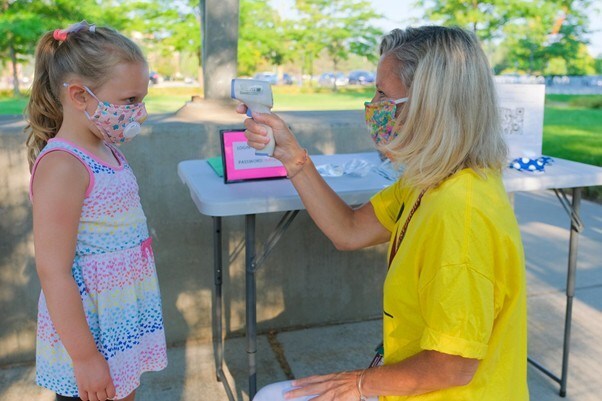
Research from two cities in eastern China indicates significant changes in pediatric respiratory infection trends following the easing of COVID-19 restrictions. A study involving over 73,000 pediatric patients revealed dramatic shifts in pathogen interactions, particularly a notable increase in the bacterium Mycoplasma pneumoniae, which is linked to pneumonia in children.
The research, led by Dr. Hailin Zhang and Dr. Shunhang Wen from Wenzhou Medical University, analyzed data from patients hospitalized with acute respiratory infections in Wenzhou and Ningbo. The findings were published in the journal Pediatric Investigation on January 19, 2026.
During the pandemic, strict public health measures, including widespread mask mandates and school closures, resulted in a significant reduction in the overall detection rate of respiratory pathogens by more than 56%. This drop underscored the effectiveness of these interventions in curbing pathogen transmission. However, once restrictions were lifted, the detection rates for respiratory pathogens surged by over 75%, with certain pathogens, including Mycoplasma pneumoniae, exceeding pre-pandemic levels.
The study highlighted a staggering rise in Mycoplasma pneumoniae, which jumped from a detection rate of 5.29% during the pandemic to 34.78% post-pandemic. This marked it as the most frequently detected pathogen in children after COVID-19 restrictions were lifted. As Dr. Wen noted, “We were surprised by how sharply Mycoplasma pneumoniae rebounded. This suggests that a large pool of susceptible children was created during the pandemic.”
Interestingly, the study also found that interactions between pathogens changed significantly after the pandemic. Negative correlations emerged, indicating that the presence of one pathogen often led to reduced detection of another. A consistent pattern noted was the inverse relationship between the Influenza B virus and Mycoplasma pneumoniae, suggesting a phenomenon known as pathogen interference. As Dr. Wen explained, “This pattern hints that infection with one pathogen may briefly suppress another, possibly through immune responses like interferon release.”
The implications of these findings stress the importance of ongoing surveillance in the post-COVID-19 landscape. Dr. Zhang emphasized the need for public health systems to prepare for unexpected patterns of childhood infections, stating, “In the post-pandemic era, respiratory pathogens are interacting in new ways.”
As health authorities consider future prevention strategies, the research suggests that vaccinations and outbreak preparedness should take into account the interactions between individual pathogens within pediatric populations. The study serves as a critical reminder of the evolving landscape of respiratory infections in children and the necessity for adaptive public health responses.
For further details, the complete study is titled “Interaction analysis of non-bacterial respiratory pathogens during and after the coronavirus disease 2019 pandemic in two cities along the eastern coast of China,” published in Pediatric Investigation and can be accessed through DOI: 10.1002/ped4.70034.

Urgent Swatting Incident Ties Up Emergency Resources in Alabama

Urgent Tax Alert: Claim Your Deductions Before April 15!

Scientists Investigate Cosmic Defects: Where Are They Now?

Spring Bocce Leagues Open Registration in Rapid City

CALV Offers Essential Communication Class for Real Estate Pros

Samsung Galaxy Watch 9 Set for Larger 435mAh Battery Upgrade

Healthy Choice Wellness Reports Earnings, Stock Sees Uptick

Prince Harry Claims to Be ‘Antidote to Andrew’ Amid Royal Crisis

Pet Owners Weigh Kibble Against Fresh Dog Food Options

ALMA Discovers Companion Orbiting Giant Star π 1 Gruis

U.S. Visa Rescheduling Hits H‐1B Applicants as New Vetting Rules Take Effect

University of Hawaiʻi Joins $25.6M AI Project for Disaster Monitoring

F-22 Raptor vs. Su-57 Felon: A 2025 Fighter Jet Comparison

Ohio State Study Uncovers Brain Connectivity and Function Links

Recent Divorce Judgments from Iberia Parish Court Records

Prince Andrew Faces Fallout from Scandals and Allegations

Urgent: Flight Cancellations Loom at Texas Airports Amid Shutdown

Frank Dunn, Esteemed Builder and Community Leader, Passes Away at 89
-
 Science8 months ago
ALMA Discovers Companion Orbiting Giant Star π 1 Gruis
-
 Politics6 months ago
U.S. Visa Rescheduling Hits H‐1B Applicants as New Vetting Rules Take Effect
-
Science8 months ago
University of Hawaiʻi Joins $25.6M AI Project for Disaster Monitoring
-
 World8 months ago
F-22 Raptor vs. Su-57 Felon: A 2025 Fighter Jet Comparison
-
 Science8 months ago
Ohio State Study Uncovers Brain Connectivity and Function Links
-
 Politics8 months ago
Recent Divorce Judgments from Iberia Parish Court Records
-
 World8 months ago
Prince Andrew Faces Fallout from Scandals and Allegations
-
 Top Stories8 months ago
Urgent: Flight Cancellations Loom at Texas Airports Amid Shutdown
-
 Lifestyle8 months ago
Frank Dunn, Esteemed Builder and Community Leader, Passes Away at 89
-

 Business8 months ago
Appian Recognizes 2025 Partner Award Winners for Enterprise Innovation
-

 Entertainment6 months ago
Malachi Barton Tops Google Searches as Disney’s Rising Star of 2025
-

 Science9 months ago
Innovator Captures Light at 2 Billion Frames Per Second