
Entertainment
Public Domain Day Celebrates New Era for Iconic Works

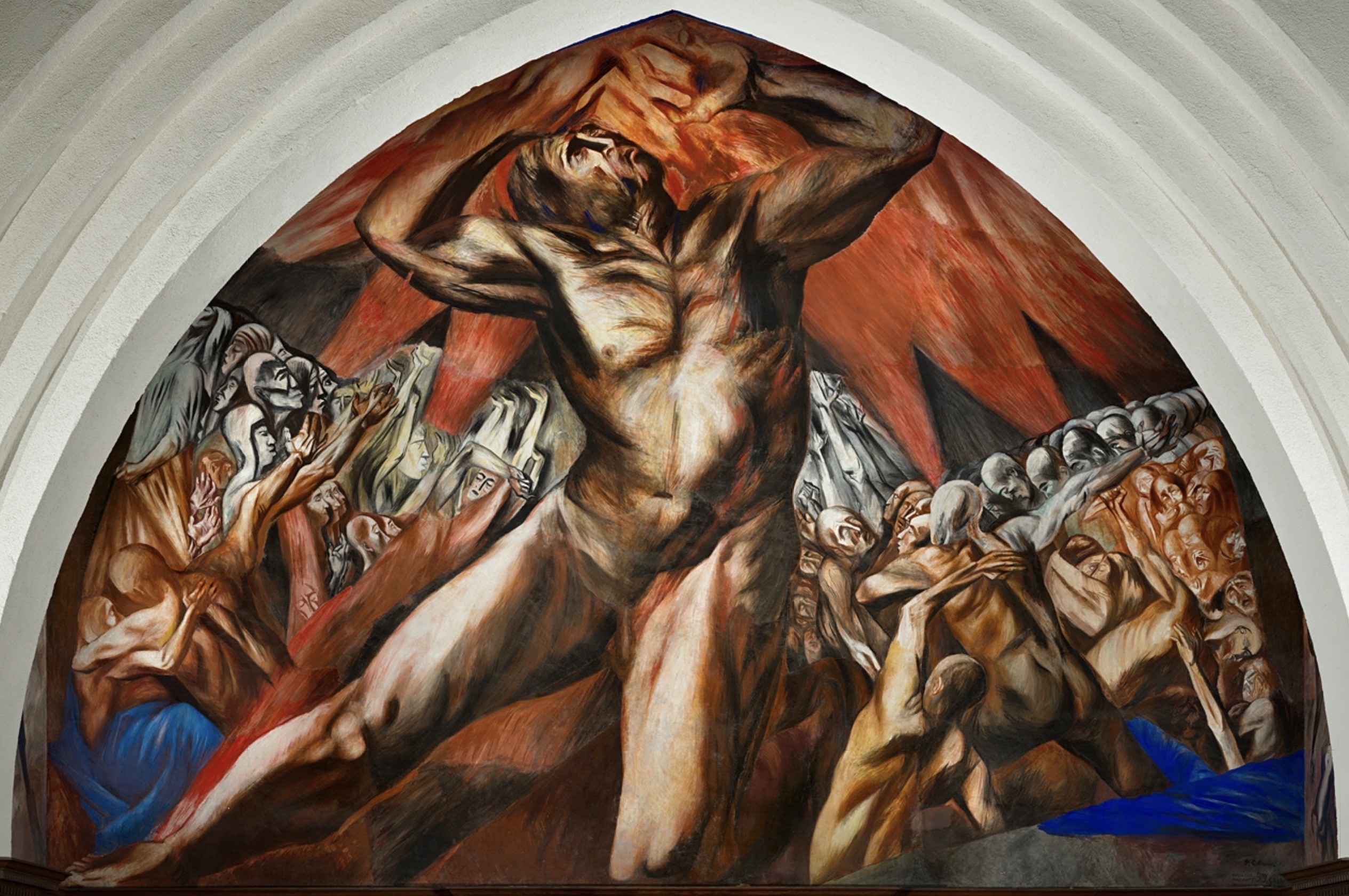
January 1 marked the celebration of Public Domain Day, a significant event in the creative world as it heralds the end of copyright protections for numerous influential works. This year, creative creations from 1930—including films, books, music, and art—became freely available for public use. Sound recordings from 1925 also joined the public domain, allowing artists and creators to adapt and remix these timeless pieces without facing copyright restrictions.
Creative works from 1930 include pivotal films that shaped the industry. One notable release is Greta Garbo‘s first talking role in “Anna Christie,” produced by MGM. The tagline, “Garbo Talks!” marked a milestone in cinematic history. Similarly, John Wayne made his debut in the film “The Big Trail,” while the Marx Brothers introduced their unique brand of humor in “Animal Crackers.” Another landmark film from this year is “All Quiet on the Western Front,” directed by Lewis Milestone, which remains a significant anti-war statement.
The transition into the public domain also benefits literary works. Among these are William Faulkner‘s “As I Lay Dying,” Dashiell Hammett‘s “The Maltese Falcon,” and the first four novels featuring Nancy Drew by Carolyn Keene. Children’s literature is also represented, with the beloved classic “The Little Engine That Could” by Watty Piper, as well as the introduction of Dick and Jane in “Elson’s Basic Reader.”
Animation enthusiasts will find excitement in the inclusion of characters like Betty Boop, who first appeared in “Dizzy Dishes,” alongside nine new Mickey Mouse cartoons. The original version of Betty Boop is now available for creative reinterpretation, showcasing the character’s influence over the decades.
The music world is also impacted by this development. Compositions published in 1930 are now part of the public domain, including songs by George and Ira Gershwin such as “I Got Rhythm” and “Embraceable You.” However, it is crucial to note that while the compositions are free to use, specific sound recordings remain under copyright for a longer period. For instance, Ray Charles‘s rendition of “Georgia On My Mind” is still protected.
The public domain also welcomes earlier sound recordings, including Bessie Smith‘s “St. Louis Blues,” which features Louis Armstrong, and Marian Anderson‘s moving performance of “Nobody Knows the Trouble I’ve Seen.” Additionally, Gene Austin and Paul Whiteman contributed iconic pieces that now enter the public sphere, including songs featured in the 1930 film “King of Jazz.”
As these works transition into the public domain, they open up a wealth of opportunities for creators across various fields. The accessibility of such historically significant films, literature, and music encourages innovation and celebrates the rich tapestry of cultural heritage. Public Domain Day serves as a reminder of the evolving landscape of creativity, where the past can inspire future generations.

Urgent Swatting Incident Ties Up Emergency Resources in Alabama

Urgent Tax Alert: Claim Your Deductions Before April 15!

Scientists Investigate Cosmic Defects: Where Are They Now?

Spring Bocce Leagues Open Registration in Rapid City

CALV Offers Essential Communication Class for Real Estate Pros

Samsung Galaxy Watch 9 Set for Larger 435mAh Battery Upgrade

Healthy Choice Wellness Reports Earnings, Stock Sees Uptick

Prince Harry Claims to Be ‘Antidote to Andrew’ Amid Royal Crisis

Pet Owners Weigh Kibble Against Fresh Dog Food Options

ALMA Discovers Companion Orbiting Giant Star π 1 Gruis

U.S. Visa Rescheduling Hits H‐1B Applicants as New Vetting Rules Take Effect

University of Hawaiʻi Joins $25.6M AI Project for Disaster Monitoring

F-22 Raptor vs. Su-57 Felon: A 2025 Fighter Jet Comparison

Ohio State Study Uncovers Brain Connectivity and Function Links

Recent Divorce Judgments from Iberia Parish Court Records

Prince Andrew Faces Fallout from Scandals and Allegations

Urgent: Flight Cancellations Loom at Texas Airports Amid Shutdown

Frank Dunn, Esteemed Builder and Community Leader, Passes Away at 89
-
 Science8 months ago
ALMA Discovers Companion Orbiting Giant Star π 1 Gruis
-
 Politics6 months ago
U.S. Visa Rescheduling Hits H‐1B Applicants as New Vetting Rules Take Effect
-
Science8 months ago
University of Hawaiʻi Joins $25.6M AI Project for Disaster Monitoring
-
 World8 months ago
F-22 Raptor vs. Su-57 Felon: A 2025 Fighter Jet Comparison
-
 Science8 months ago
Ohio State Study Uncovers Brain Connectivity and Function Links
-
 Politics8 months ago
Recent Divorce Judgments from Iberia Parish Court Records
-
 World8 months ago
Prince Andrew Faces Fallout from Scandals and Allegations
-
 Top Stories8 months ago
Urgent: Flight Cancellations Loom at Texas Airports Amid Shutdown
-
 Lifestyle8 months ago
Frank Dunn, Esteemed Builder and Community Leader, Passes Away at 89
-

 Business8 months ago
Appian Recognizes 2025 Partner Award Winners for Enterprise Innovation
-

 Entertainment6 months ago
Malachi Barton Tops Google Searches as Disney’s Rising Star of 2025
-

 Science9 months ago
Innovator Captures Light at 2 Billion Frames Per Second