
Entertainment
OLED vs. QLED: Which TV Technology Will Last Longer?

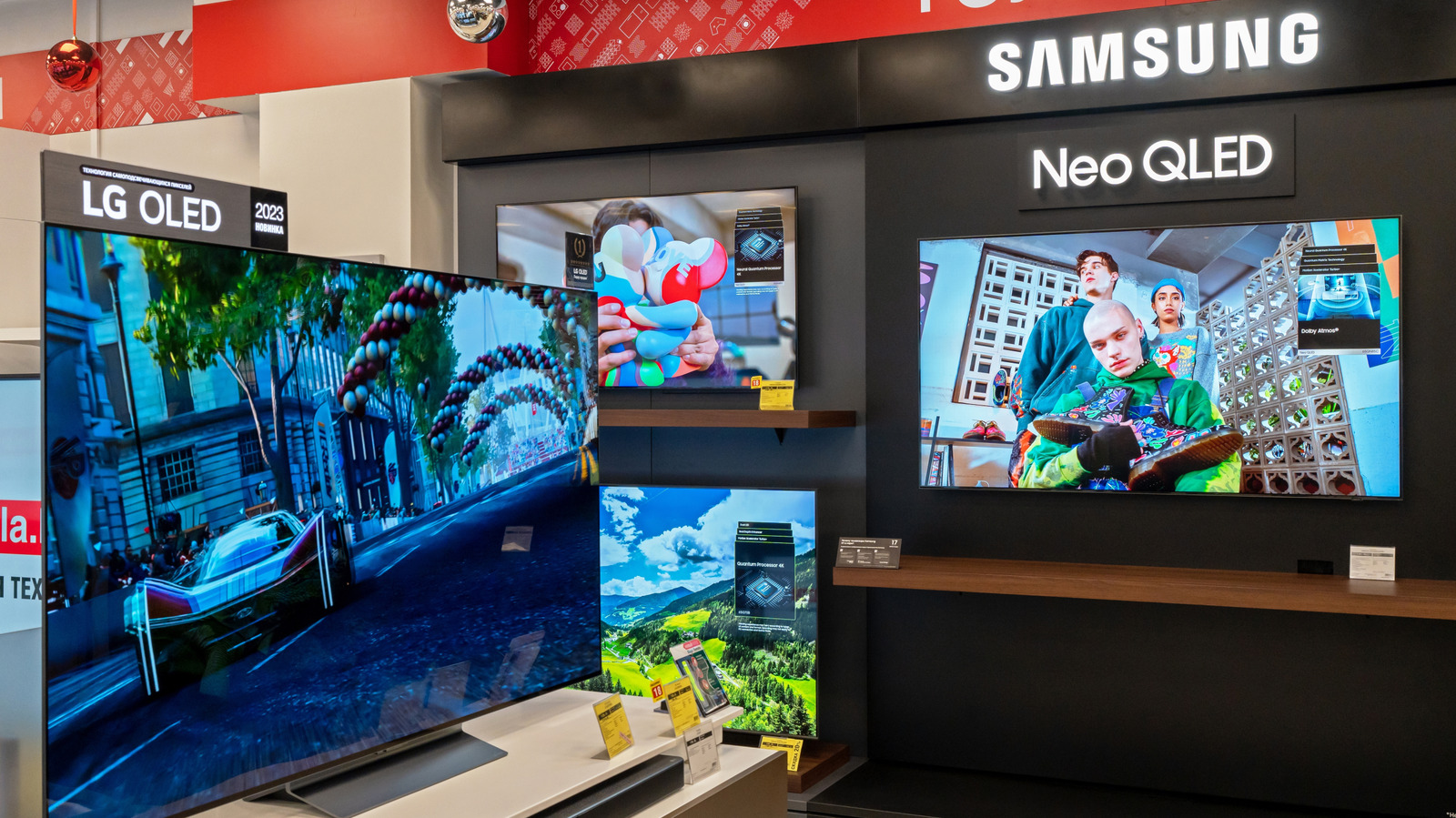
The debate over which television technology offers greater longevity—OLED or QLED—continues to captivate consumers. According to the Custom Electronics Design & Installation Association (CEDIA), most televisions have a lifespan of between seven and ten years, with QLEDs generally lasting longer than their OLED counterparts. However, RTINGS, a consumer review site, states that no definitive winner exists regarding longevity between the two types.
Understanding the differences between OLED and QLED TVs is essential for consumers. OLED televisions utilize self-illuminating pixels, resulting in a clearer picture with vibrant colors and deep blacks. In contrast, QLED TVs are based on liquid-crystal display (LCD) technology, utilizing backlighting from light-emitting diodes. This includes QLED models that incorporate quantum dot technology, enhancing color output compared to standard LED TVs.
One significant factor influencing lifespan is the issue of burn-in. Burn-in occurs when static images, such as logos or game HUDs, remain on-screen for prolonged periods, leading specific pixels to wear out faster. During a three-year test, RTINGS found that all tested OLED models experienced burn-in, though these were subjected to conditions not typical for everyday use. Regularly changing channels or adjusting brightness may mitigate this risk for average users.
Gamers, however, may find OLEDs appealing due to their superior motion clarity and quick response times. While QLED screens may generally have a longer lifespan, the decision between the two technologies will often depend on individual viewing habits. QLEDs are less susceptible to burn-in, making them a safer choice for users who frequently watch content with static images.
Burn-in is just one of several factors affecting a television’s longevity. The design, make, and model also play crucial roles. Interestingly, price does not necessarily correlate with lifespan. RTINGS’ analysis revealed that some less expensive models performed exceptionally well, while some high-end units failed sooner. Of the televisions tested, including QLED and OLED, 20 units failed entirely, with three being OLEDs. Causes for breakdown included backlight failures and internal component issues.
While most tested televisions performed admirably for the first 10,000 hours—equivalent to roughly ten years of typical usage—RTINGS emphasized that their tests were rigorous. Under gentler conditions, televisions may indeed last even longer. To maximize the lifespan of either type, it is advisable to avoid settings that push brightness to the maximum. Users should also turn off their TVs when not in use rather than relying on screensavers.
In conclusion, both OLED and QLED technologies have their strengths and weaknesses regarding longevity. For consumers, the choice will largely depend on individual viewing preferences and habits. Whether opting for the vibrant colors of OLED or the durability of QLED, understanding these differences can help make a more informed decision.

Urgent Swatting Incident Ties Up Emergency Resources in Alabama

Urgent Tax Alert: Claim Your Deductions Before April 15!

Scientists Investigate Cosmic Defects: Where Are They Now?

Spring Bocce Leagues Open Registration in Rapid City

CALV Offers Essential Communication Class for Real Estate Pros

Samsung Galaxy Watch 9 Set for Larger 435mAh Battery Upgrade

Healthy Choice Wellness Reports Earnings, Stock Sees Uptick

Prince Harry Claims to Be ‘Antidote to Andrew’ Amid Royal Crisis

Pet Owners Weigh Kibble Against Fresh Dog Food Options

ALMA Discovers Companion Orbiting Giant Star π 1 Gruis

U.S. Visa Rescheduling Hits H‐1B Applicants as New Vetting Rules Take Effect

University of Hawaiʻi Joins $25.6M AI Project for Disaster Monitoring

F-22 Raptor vs. Su-57 Felon: A 2025 Fighter Jet Comparison

Ohio State Study Uncovers Brain Connectivity and Function Links

Recent Divorce Judgments from Iberia Parish Court Records

Prince Andrew Faces Fallout from Scandals and Allegations

Urgent: Flight Cancellations Loom at Texas Airports Amid Shutdown

Frank Dunn, Esteemed Builder and Community Leader, Passes Away at 89
-
 Science8 months ago
ALMA Discovers Companion Orbiting Giant Star π 1 Gruis
-
 Politics6 months ago
U.S. Visa Rescheduling Hits H‐1B Applicants as New Vetting Rules Take Effect
-
Science8 months ago
University of Hawaiʻi Joins $25.6M AI Project for Disaster Monitoring
-
 World8 months ago
F-22 Raptor vs. Su-57 Felon: A 2025 Fighter Jet Comparison
-
 Science8 months ago
Ohio State Study Uncovers Brain Connectivity and Function Links
-
 Politics8 months ago
Recent Divorce Judgments from Iberia Parish Court Records
-
 World8 months ago
Prince Andrew Faces Fallout from Scandals and Allegations
-
 Top Stories8 months ago
Urgent: Flight Cancellations Loom at Texas Airports Amid Shutdown
-
 Lifestyle8 months ago
Frank Dunn, Esteemed Builder and Community Leader, Passes Away at 89
-

 Business8 months ago
Appian Recognizes 2025 Partner Award Winners for Enterprise Innovation
-

 Entertainment6 months ago
Malachi Barton Tops Google Searches as Disney’s Rising Star of 2025
-

 Science9 months ago
Innovator Captures Light at 2 Billion Frames Per Second