
Entertainment
Director Martina Radwan Denies AI Claims in Stranger Things Finale

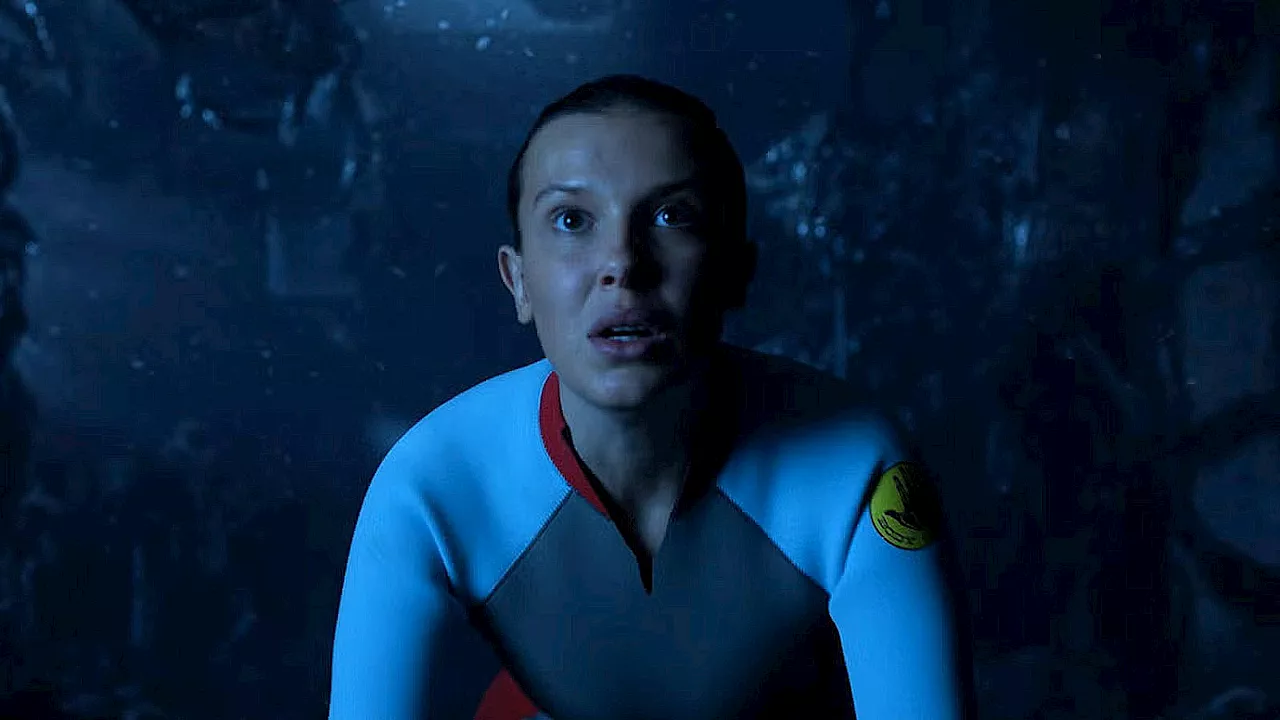
Director Martina Radwan has publicly refuted allegations suggesting that the Duffer Brothers, creators of the popular series Stranger Things, utilized the AI tool ChatGPT in the writing of the show’s final season. The rumors surfaced after a photograph of the Duffer Brothers working on the series finale sparked concerns among fans, who speculated that they were using the AI software during the writing process.
The speculation gained momentum on social media platforms, particularly X and TikTok, where users expressed their doubts about the show’s conclusion. Many commenters linked their criticisms to the perceived use of AI, asserting that the finale’s quality was compromised. In response, Radwan addressed these rumors during a recent interview, emphasizing the importance of human creativity in the writers’ room.
When asked about the claims regarding the Duffer Brothers and ChatGPT, Radwan questioned whether they had even opened the program. She highlighted that many writers, including herself, occasionally use AI tools for research, but she expressed skepticism about their effectiveness in generating complex narratives. “How can you possibly write a storyline with 19 characters and use ChatGPT?” she pondered. “I don’t even understand.”
Radwan also firmly stated that she had not observed any unethical use of generative AI while working with the writers. “I witnessed creative exchanges. I witnessed conversation. People think ‘writers room’ means people are sitting there writing. No, it’s a creative exchange. It’s story development,” she clarified. This perspective underscores the collaborative nature of television writing, where ideas are developed through a dynamic process, rather than relying on automated tools.
The accusations surrounding the use of AI in Stranger Things reflect a broader concern within the entertainment industry as Hollywood grapples with the implications of artificial intelligence. With technology advancing rapidly, viewers are increasingly uncertain about what to trust in creative works. While some fans are open to the integration of AI, others express skepticism about its role in the artistic process.
The situation highlights an ongoing issue faced by many series, where disappointed fans seek explanations for endings that do not meet their expectations. The conversation surrounding Stranger Things serves as a reminder of the challenges that creators face in satisfying diverse audience preferences.
As discussions about the use of AI in creative spaces continue, Radwan’s comments may offer some reassurance to fans. The dialogues emerging from the final season’s conclusion could pave the way for a deeper understanding of the creative process and the role of technology in shaping narratives.
In the future, as Hollywood explores the integration of AI in filmmaking and television, issues of trust and authenticity will likely remain at the forefront of audience concerns. The final season of Stranger Things may not be the last series to face scrutiny regarding generative AI, but it certainly amplifies the call for transparency in creative practices as both viewers and creators navigate this evolving landscape.
Ultimately, Radwan’s insights provide a glimpse into the human elements that drive storytelling, reaffirming the importance of creativity and collaboration in the world of television.

Urgent Swatting Incident Ties Up Emergency Resources in Alabama

Urgent Tax Alert: Claim Your Deductions Before April 15!

Scientists Investigate Cosmic Defects: Where Are They Now?

Spring Bocce Leagues Open Registration in Rapid City

CALV Offers Essential Communication Class for Real Estate Pros

Samsung Galaxy Watch 9 Set for Larger 435mAh Battery Upgrade

Healthy Choice Wellness Reports Earnings, Stock Sees Uptick

Prince Harry Claims to Be ‘Antidote to Andrew’ Amid Royal Crisis

Pet Owners Weigh Kibble Against Fresh Dog Food Options

ALMA Discovers Companion Orbiting Giant Star π 1 Gruis

U.S. Visa Rescheduling Hits H‐1B Applicants as New Vetting Rules Take Effect

University of Hawaiʻi Joins $25.6M AI Project for Disaster Monitoring

F-22 Raptor vs. Su-57 Felon: A 2025 Fighter Jet Comparison

Recent Divorce Judgments from Iberia Parish Court Records

Ohio State Study Uncovers Brain Connectivity and Function Links

Prince Andrew Faces Fallout from Scandals and Allegations

Urgent: Flight Cancellations Loom at Texas Airports Amid Shutdown

Frank Dunn, Esteemed Builder and Community Leader, Passes Away at 89
-
 Science8 months ago
ALMA Discovers Companion Orbiting Giant Star π 1 Gruis
-
 Politics6 months ago
U.S. Visa Rescheduling Hits H‐1B Applicants as New Vetting Rules Take Effect
-
Science8 months ago
University of Hawaiʻi Joins $25.6M AI Project for Disaster Monitoring
-
 World8 months ago
F-22 Raptor vs. Su-57 Felon: A 2025 Fighter Jet Comparison
-
 Politics8 months ago
Recent Divorce Judgments from Iberia Parish Court Records
-
 Science9 months ago
Ohio State Study Uncovers Brain Connectivity and Function Links
-
 World8 months ago
Prince Andrew Faces Fallout from Scandals and Allegations
-
 Top Stories8 months ago
Urgent: Flight Cancellations Loom at Texas Airports Amid Shutdown
-
 Lifestyle8 months ago
Frank Dunn, Esteemed Builder and Community Leader, Passes Away at 89
-

 Business8 months ago
Appian Recognizes 2025 Partner Award Winners for Enterprise Innovation
-

 Entertainment6 months ago
Malachi Barton Tops Google Searches as Disney’s Rising Star of 2025
-

 Science9 months ago
Innovator Captures Light at 2 Billion Frames Per Second