
Business
Trade Tariffs Drive Up Artificial Christmas Tree Prices by 30%

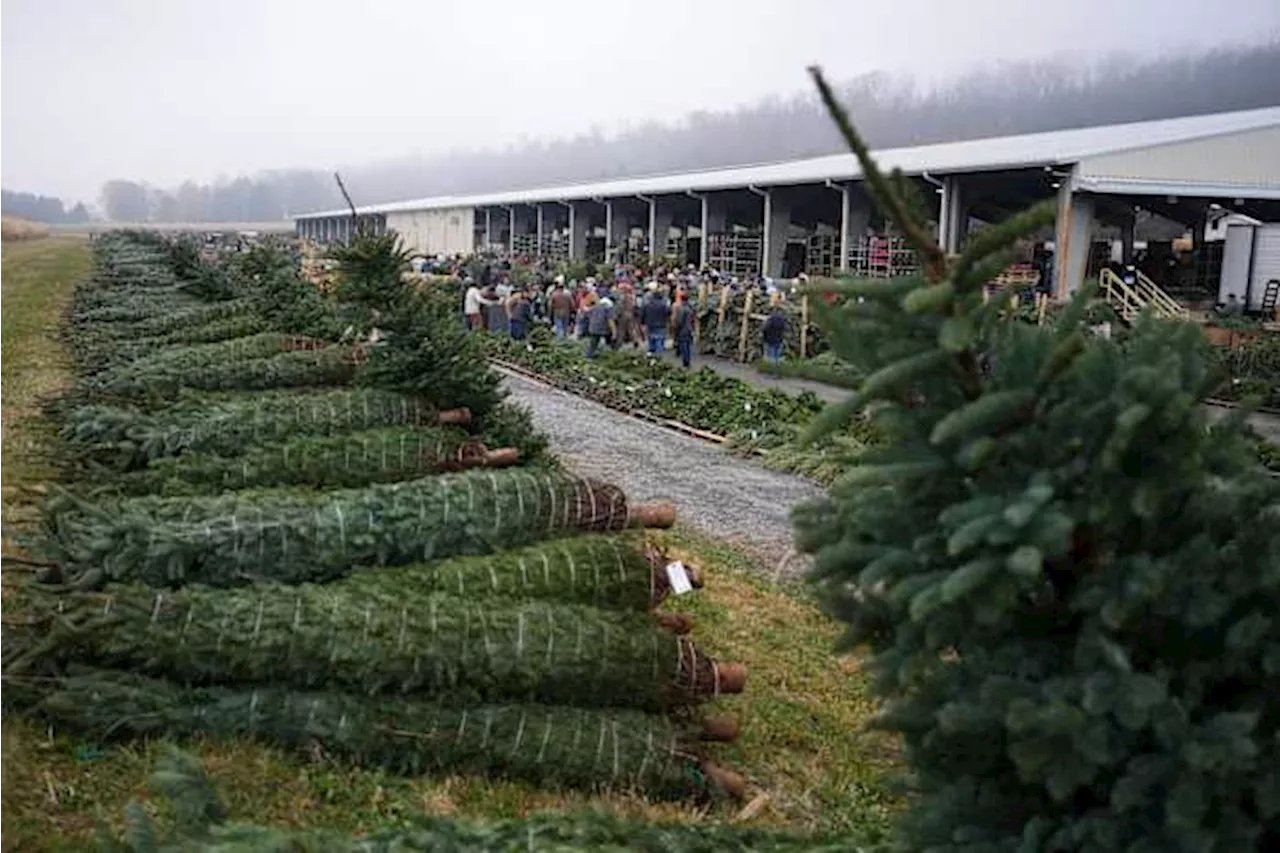
As the holiday season approaches, consumers in the United States are facing significant price increases on artificial Christmas trees due to ongoing trade tariffs. Industry leaders estimate that costs for these popular holiday decorations have surged by approximately 30%, which could alter shopping choices for millions of families. Retailers are responding by offering deeper discounts during the traditional Black Friday shopping period, hoping to attract budget-conscious customers.
Artificial Christmas trees are a staple in American homes, with 83% of households planning to display one this year. However, the industry has been adversely impacted by tariffs on imports, primarily from China, where a substantial portion of these trees is manufactured. According to Chris Butler, CEO of the National Tree Company, the current economic climate has resulted in a muted consumer response this Black Friday, which is typically one of their busiest sales periods.
“Tariffs have been disruptive to the supply chain,” Butler explained. “It really slowed the industry down, especially when tariffs went up to 145% on goods from China.” This has led to a dramatic rise in prices, forcing companies to pass along approximately 10% of the increased costs to consumers. Despite these challenges, Butler remains optimistic that consumers will continue to purchase artificial trees, possibly opting to keep their existing trees for longer periods rather than switching to natural alternatives.
Industry Leaders Seek Relief from Tariffs
In light of the financial strain caused by these tariffs, industry leaders are actively seeking exemptions similar to those granted to certain food items not grown in the U.S. Butler pointed out that items like bananas and coffee have been exempted due to their unavailability in the country. “Our raw materials are just not available in the U.S.,” he emphasized. “While we’re not growing trees, we are certainly making them, and the materials needed to produce these trees are not readily accessible here.”
The ongoing trade tensions and their impact on consumer products have led to a broader conversation about the implications of tariffs on holiday traditions. As families prepare for the festive season, the potential for higher costs may influence their purchasing decisions, but industry representatives like Butler are hopeful for a resolution that could mitigate the financial burden on consumers.
As December approaches, many shoppers will navigate these heightened prices and consider their options carefully. With artificial Christmas trees still holding a significant place in holiday celebrations, the future of the industry may depend on both consumer resilience and the outcomes of ongoing discussions regarding tariff exemptions.

Urgent Swatting Incident Ties Up Emergency Resources in Alabama

Urgent Tax Alert: Claim Your Deductions Before April 15!

Scientists Investigate Cosmic Defects: Where Are They Now?

Spring Bocce Leagues Open Registration in Rapid City

CALV Offers Essential Communication Class for Real Estate Pros

Samsung Galaxy Watch 9 Set for Larger 435mAh Battery Upgrade

Healthy Choice Wellness Reports Earnings, Stock Sees Uptick

Prince Harry Claims to Be ‘Antidote to Andrew’ Amid Royal Crisis

Pet Owners Weigh Kibble Against Fresh Dog Food Options

ALMA Discovers Companion Orbiting Giant Star π 1 Gruis

U.S. Visa Rescheduling Hits H‐1B Applicants as New Vetting Rules Take Effect

University of Hawaiʻi Joins $25.6M AI Project for Disaster Monitoring

F-22 Raptor vs. Su-57 Felon: A 2025 Fighter Jet Comparison

Recent Divorce Judgments from Iberia Parish Court Records

Ohio State Study Uncovers Brain Connectivity and Function Links

Prince Andrew Faces Fallout from Scandals and Allegations

Urgent: Flight Cancellations Loom at Texas Airports Amid Shutdown

Frank Dunn, Esteemed Builder and Community Leader, Passes Away at 89
-
 Science8 months ago
ALMA Discovers Companion Orbiting Giant Star π 1 Gruis
-
 Politics6 months ago
U.S. Visa Rescheduling Hits H‐1B Applicants as New Vetting Rules Take Effect
-
Science8 months ago
University of Hawaiʻi Joins $25.6M AI Project for Disaster Monitoring
-
 World8 months ago
F-22 Raptor vs. Su-57 Felon: A 2025 Fighter Jet Comparison
-
 Politics8 months ago
Recent Divorce Judgments from Iberia Parish Court Records
-
 Science9 months ago
Ohio State Study Uncovers Brain Connectivity and Function Links
-
 World8 months ago
Prince Andrew Faces Fallout from Scandals and Allegations
-
 Top Stories8 months ago
Urgent: Flight Cancellations Loom at Texas Airports Amid Shutdown
-
 Lifestyle8 months ago
Frank Dunn, Esteemed Builder and Community Leader, Passes Away at 89
-

 Business8 months ago
Appian Recognizes 2025 Partner Award Winners for Enterprise Innovation
-

 Entertainment6 months ago
Malachi Barton Tops Google Searches as Disney’s Rising Star of 2025
-

 Science9 months ago
Innovator Captures Light at 2 Billion Frames Per Second