
Business
Penobscot County Faces $7M Budget Crisis with 20% Tax Hike Looming

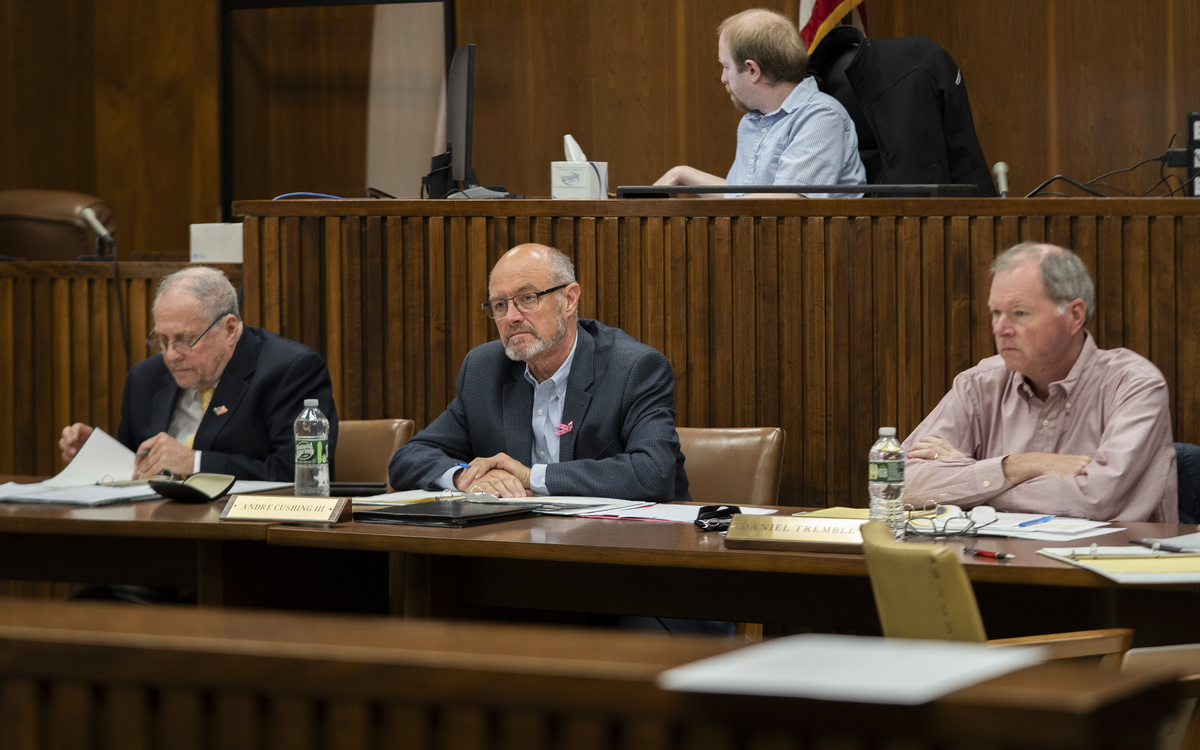
Penobscot County is grappling with a significant budget crisis that could lead to a nearly 20% tax increase for residents in 2026. According to former county commissioners and budget committee members, the crisis stems from years of neglecting escalating costs associated with the Penobscot County Jail. The situation has reached a critical point, with a proposed budget reflecting a shortfall of over $3.5 million.
The crisis originated in 2021 when the county’s expenses began to spiral due to a surge in inmate numbers. As arrests surpassed the jail’s capacity, the county was forced to pay for housing inmates in other counties, significantly inflating costs. Former commissioners highlighted that county leaders failed to acknowledge the severity of the budget gap and did not take necessary actions to curb jail expenses during this time.
Interviews and budget reviews indicate that decisions made by county commissioners have directly contributed to the current financial predicament. The county’s surplus tax dollars, known as the undesignated general fund balance, were depleted by nearly $7 million over the years, resulting in an urgent need for replenishment.
Budget Problems and Lack of Oversight
The budget issues began to surface prominently in 2021, a year identified by Andre Cushing III, the current chair of the Penobscot County Commissioners, as pivotal in the county’s fiscal downturn. Maine implemented flat funding for its county jails, meaning the state allocated the same amount annually — just under $3.6 million — without adjustments for rising costs. This led to a $1.9 million gap in the Penobscot County Jail budget in 2021, which has only widened since.
Commissioners have consistently approved budgets that exceeded tax revenues, banking on the expectation of increased state funding. Cushing noted that the budget was unanimously approved each year since 2021, despite a lack of comprehensive meeting minutes regarding the approval of the 2023 budget.
The jail’s budget has skyrocketed by 165% since 2015, rising from $5.9 million to $15.7 million in 2025, making it the fastest-growing jail budget in the state. In comparison, Cumberland County, which has nearly double the population, increased its jail budget by only 28% during the same period.
Cushing defended the commissioners’ approach, stating they advocated for increased funding from the legislature. The reliance on the undesignated fund was initially viable due to the county’s surplus and lack of debt, according to retired commissioner Peter Baldacci. However, he expressed discontent with how the fund balance was depleted, stating it was not a sustainable solution.
Path Forward and Immediate Actions
As Penobscot County prepares for a budget advisory committee meeting, the potential tax hike looms large. Residents face a projected 19.79% increase to address the current budget gap, a figure that may only represent the first step toward financial recovery. Scott Adkins, former county administrator, emphasized that the budget discussions would not solely resolve the financial crisis; additional measures would be necessary to restore the depleted general fund.
Baldacci proposed immediate actions to mitigate the financial strain, including freezing new hires and salary increases for department heads and elected officials. He also called for a comprehensive review of the entire criminal justice system, emphasizing that the crisis did not stem from a single source but rather from collective oversight.
The upcoming budget committee meeting is crucial. If an agreement is reached, the budget will move to the commissioners for a final vote. With only three commissioners, approval requires the support of just two, which raises concerns about the potential for further financial strain on residents if significant spending cuts are not implemented at the municipal level.
As the county navigates this complex financial landscape, the implications of the proposed tax increase highlight the urgent need for strategic fiscal management and accountability within the county’s governance.

Urgent Swatting Incident Ties Up Emergency Resources in Alabama

Urgent Tax Alert: Claim Your Deductions Before April 15!

Scientists Investigate Cosmic Defects: Where Are They Now?

Spring Bocce Leagues Open Registration in Rapid City

CALV Offers Essential Communication Class for Real Estate Pros

Samsung Galaxy Watch 9 Set for Larger 435mAh Battery Upgrade

Healthy Choice Wellness Reports Earnings, Stock Sees Uptick

Prince Harry Claims to Be ‘Antidote to Andrew’ Amid Royal Crisis

Pet Owners Weigh Kibble Against Fresh Dog Food Options

ALMA Discovers Companion Orbiting Giant Star π 1 Gruis

U.S. Visa Rescheduling Hits H‐1B Applicants as New Vetting Rules Take Effect

University of Hawaiʻi Joins $25.6M AI Project for Disaster Monitoring

F-22 Raptor vs. Su-57 Felon: A 2025 Fighter Jet Comparison

Ohio State Study Uncovers Brain Connectivity and Function Links

Recent Divorce Judgments from Iberia Parish Court Records

Prince Andrew Faces Fallout from Scandals and Allegations

Urgent: Flight Cancellations Loom at Texas Airports Amid Shutdown

Frank Dunn, Esteemed Builder and Community Leader, Passes Away at 89
-
 Science8 months ago
ALMA Discovers Companion Orbiting Giant Star π 1 Gruis
-
 Politics6 months ago
U.S. Visa Rescheduling Hits H‐1B Applicants as New Vetting Rules Take Effect
-
Science8 months ago
University of Hawaiʻi Joins $25.6M AI Project for Disaster Monitoring
-
 World8 months ago
F-22 Raptor vs. Su-57 Felon: A 2025 Fighter Jet Comparison
-
 Science9 months ago
Ohio State Study Uncovers Brain Connectivity and Function Links
-
 Politics8 months ago
Recent Divorce Judgments from Iberia Parish Court Records
-
 World8 months ago
Prince Andrew Faces Fallout from Scandals and Allegations
-
 Top Stories8 months ago
Urgent: Flight Cancellations Loom at Texas Airports Amid Shutdown
-
 Lifestyle8 months ago
Frank Dunn, Esteemed Builder and Community Leader, Passes Away at 89
-

 Business8 months ago
Appian Recognizes 2025 Partner Award Winners for Enterprise Innovation
-

 Entertainment6 months ago
Malachi Barton Tops Google Searches as Disney’s Rising Star of 2025
-

 Science9 months ago
Innovator Captures Light at 2 Billion Frames Per Second