
Business
Nike Expands Production in Indonesia, Ignoring Living Wage Concerns

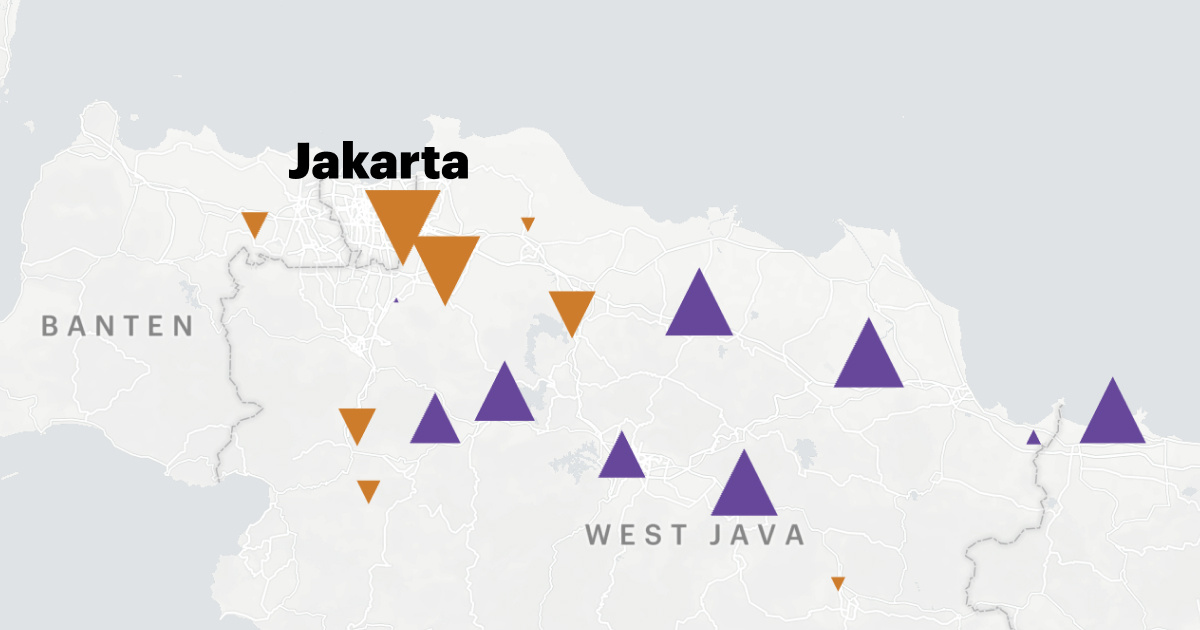
Nike, the global leader in athletic apparel, has faced scrutiny for its production practices in Indonesia as the company expands into regions where factory workers earn below a living wage. An investigation by ProPublica and the Oregonian/OregonLive highlights how this expansion contradicts Nike’s stated commitment to ensuring that its workers can support their families.
Over the past decade, Nike has significantly increased employment at factories in areas of Indonesia where the local minimum wage falls short of what is necessary for a decent standard of living. While employment at factories near Jakarta, where the minimum wage averages around $300 per month, has declined by approximately 36,000 jobs, Nike’s supplier workforce in regions like Central and West Java—where wages are as low as $165—has grown by nearly 112,000 workers.
The analysis reveals that Nike’s strategy reflects a broader trend among multinational corporations to shift operations to locations with lower labor costs. According to Nurina Merdikawati, a lecturer at the Australian National University, companies often relocate labor-intensive operations to areas where wages are cheaper. Central Java has become a focal point for such relocations.
The implications of this shift are significant for the existing workforce in higher-wage regions. In October 2023, more than 2,000 employees at Victory Chingluh, a Nike supplier near Jakarta, were laid off, reflecting the precarious nature of employment in the area. Concerns are growing that further layoffs could occur as additional factories are established in lower-wage regions.
Labor advocates warn that the geographic shift in production raises alarms about worker rights and protections. The Jakarta area, known for its stronger union presence, has historically provided better oversight of working conditions. In contrast, less-developed regions, such as Central Java, lack the same level of labor representation, leaving workers vulnerable to exploitation.
The plight of workers in these regions is underscored by their experiences. Many factory employees report that their wages barely meet the minimum requirements. As one worker noted, the minimum wage is often all they earn, forcing them to seek additional jobs just to survive.
Nike has stated that it is committed to working closely with suppliers to ensure compliance with labor regulations, including the payment of statutory severance and other benefits. In a recent statement, the company emphasized that treating its operational shifts solely as cost-saving measures presents an incomplete picture. Nike pointed to “operational efficiencies” as a necessary component of business in a competitive landscape.
Despite these assurances, the reality on the ground suggests that conditions are deteriorating for many workers. In Central Java, where Nike has expanded its workforce, reports indicate that labor abuses—including gender-based violence—are prevalent, and unions face resistance from employers.
While Nike claims that many of its workers earn above the local minimum wage, findings from interviews with approximately 100 workers across three regions indicate that actual earnings often fall short. According to labor expert Jason Judd, the flexibility of corporate living wage pledges renders them nearly ineffective, allowing companies to perpetually defer meaningful changes.
The company’s expansion into lower-wage areas has raised questions about its commitment to ethical labor practices. Some estimates suggest that Nike’s relocation to lower-cost regions could save the company upwards of $200 million in labor costs annually by 2025. Nike disputes these calculations, arguing that the analysis relies on oversimplified assumptions.
As Nike continues to navigate the complexities of its global supply chain, the implications for workers in Indonesia remain a pressing concern. As the company reported $46.3 billion in revenue last year, the disparity between profits and worker compensation raises critical questions about the ethics of cost-cutting at the expense of fair labor practices.
The situation in Indonesia illustrates the broader challenges facing multinational corporations in balancing profit margins with social responsibility. As Nike expands its presence in regions with lower wages, the company faces increasing scrutiny over its commitment to ensuring that all workers can earn a living wage and support their families.
With ongoing developments in labor rights and economic policies, the future of Nike’s operations in Indonesia will likely continue to draw attention from labor advocates, workers, and consumers alike.

Urgent Swatting Incident Ties Up Emergency Resources in Alabama

Urgent Tax Alert: Claim Your Deductions Before April 15!

Scientists Investigate Cosmic Defects: Where Are They Now?

Spring Bocce Leagues Open Registration in Rapid City

CALV Offers Essential Communication Class for Real Estate Pros

Samsung Galaxy Watch 9 Set for Larger 435mAh Battery Upgrade

Healthy Choice Wellness Reports Earnings, Stock Sees Uptick

Prince Harry Claims to Be ‘Antidote to Andrew’ Amid Royal Crisis

Pet Owners Weigh Kibble Against Fresh Dog Food Options

ALMA Discovers Companion Orbiting Giant Star π 1 Gruis

U.S. Visa Rescheduling Hits H‐1B Applicants as New Vetting Rules Take Effect

University of Hawaiʻi Joins $25.6M AI Project for Disaster Monitoring

F-22 Raptor vs. Su-57 Felon: A 2025 Fighter Jet Comparison

Ohio State Study Uncovers Brain Connectivity and Function Links

Recent Divorce Judgments from Iberia Parish Court Records

Prince Andrew Faces Fallout from Scandals and Allegations

Urgent: Flight Cancellations Loom at Texas Airports Amid Shutdown

Frank Dunn, Esteemed Builder and Community Leader, Passes Away at 89
-
 Science8 months ago
ALMA Discovers Companion Orbiting Giant Star π 1 Gruis
-
 Politics6 months ago
U.S. Visa Rescheduling Hits H‐1B Applicants as New Vetting Rules Take Effect
-
Science8 months ago
University of Hawaiʻi Joins $25.6M AI Project for Disaster Monitoring
-
 World8 months ago
F-22 Raptor vs. Su-57 Felon: A 2025 Fighter Jet Comparison
-
 Science8 months ago
Ohio State Study Uncovers Brain Connectivity and Function Links
-
 Politics8 months ago
Recent Divorce Judgments from Iberia Parish Court Records
-
 World8 months ago
Prince Andrew Faces Fallout from Scandals and Allegations
-
 Top Stories8 months ago
Urgent: Flight Cancellations Loom at Texas Airports Amid Shutdown
-
 Lifestyle8 months ago
Frank Dunn, Esteemed Builder and Community Leader, Passes Away at 89
-

 Business8 months ago
Appian Recognizes 2025 Partner Award Winners for Enterprise Innovation
-

 Entertainment6 months ago
Malachi Barton Tops Google Searches as Disney’s Rising Star of 2025
-

 Science9 months ago
Innovator Captures Light at 2 Billion Frames Per Second