
Business
Honoring Two Centuries of Railroads: A Call for Innovation

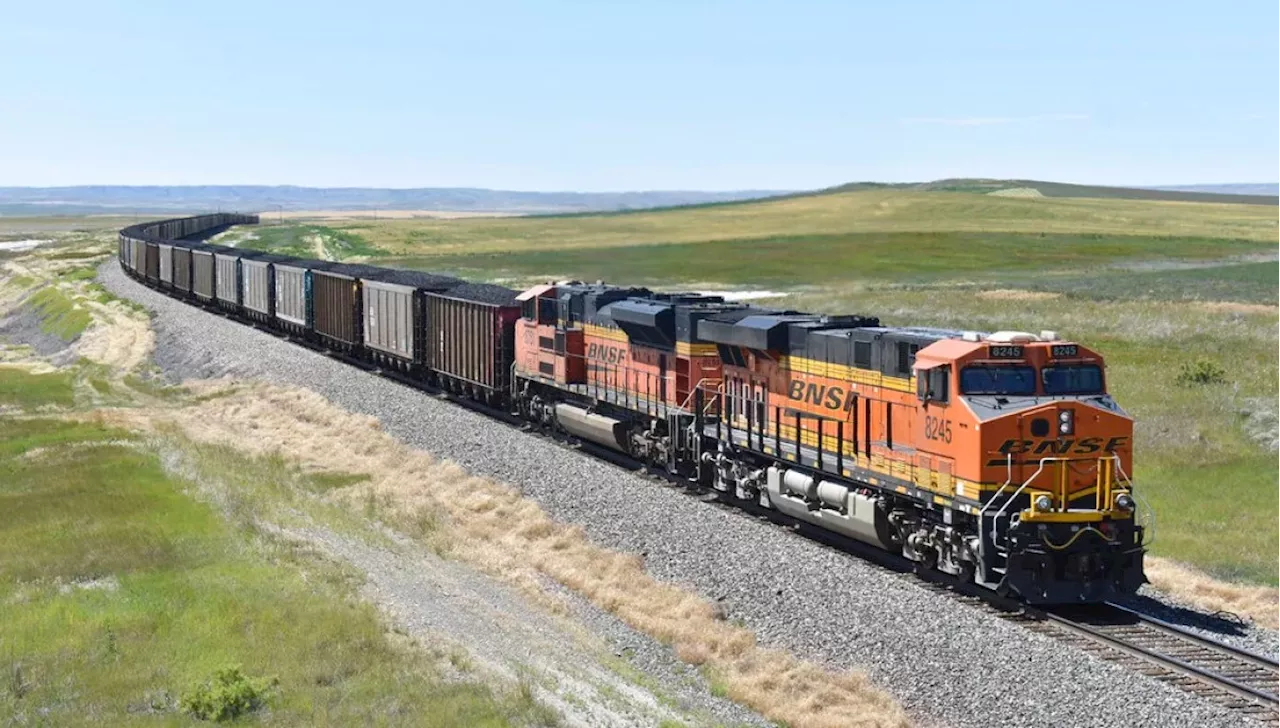
As the United States approaches its 250th anniversary, a lesser-known milestone is also on the horizon: the 200th anniversary of the first American railroad’s operation. This dual commemoration offers an opportunity to reflect on how these developments have shaped the nation through innovation, investment, and effective public policy.
The history of railroads in America is a narrative of connectivity. From the very beginning, railroads served as a vital infrastructure, facilitating westward expansion and linking agricultural producers with markets and industrial sites. This framework laid the groundwork for the United States’ emergence as a global economic leader. Before the advent of modern delivery systems like those used by Amazon, freight rail was the backbone of the nation’s supply chain, transporting goods efficiently and affordably at an unmatched scale.
While the current freight rail system continues to support the U.S. economy, its success has not been guaranteed. The industry faced significant challenges due to decades of stringent regulations that hampered operational capabilities. In response, Congress enacted bipartisan reforms in the late 1970s, which preserved essential oversight while promoting a market-driven investment model. This legislative shift resulted in extensive private reinvestment, enhanced safety and reliability, and lower shipping costs, establishing a freight rail system capable of adapting to contemporary challenges.
Modern railroads have evolved beyond their traditional steel and diesel foundations. Today, they function as technology-driven enterprises, utilizing cutting-edge inspection systems and analyzing vast quantities of data through predictive analytics. These advancements not only improve operational efficiency but also enhance safety measures for the workforce, which remains crucial to the industry. Skilled employees are now equipped with advanced tools that enable them to perform their roles more safely and effectively.
As policymakers prepare to address transportation legislation in the coming year, it is essential to heed the lessons of history. Key priorities should include maintaining the market-based rail model that yields national benefits. Freight railroads finance, own, and maintain their infrastructure with private capital, avoiding reliance on federal subsidies. Disrupting this framework could lead to weakened supply chains, elevated costs for consumers, and slowed modernization efforts nationwide.
Furthermore, there is a pressing need to modernize oversight structures by prioritizing performance outcomes rather than rigid processes. Federal safety policies should focus on measurable results, such as reduced incidents and improved resilience, rather than adhering to prescriptive mandates. Allowing the implementation of validated technologies and practices could enhance safety and promote innovation.
Additionally, it is crucial to protect the national rail system through clear federal leadership. Freight rail operates as an integrated interstate network, necessitating consistent national standards to ensure efficiency, accountability, and reliability. Strong federal preemption will prevent fragmentation, enabling railroads to serve customers seamlessly across state borders.
Finally, providing certainty through predictable permitting processes is vital. Most rail investments occur within established rights-of-way, and unnecessary delays can increase costs without yielding significant improvements. Streamlined review processes, balanced with environmental stewardship, will facilitate quicker deployment of safety enhancements, capacity expansions, and congestion relief, benefiting both communities and the broader economy.
Freight rail supports over 700,000 jobs and contributes more than $230 billion to the economy each year. As a critical component of North American trade, it serves as a real-time indicator of economic activity. The evolution of railroads over the past two centuries reflects the growth of the nation itself.
As the United States prepares to celebrate its 250th anniversary, it is imperative to ensure that future policies foster innovation, investment, and data-driven growth. By doing so, freight rail can continue to drive economic progress into the next chapter of American history.

Urgent Swatting Incident Ties Up Emergency Resources in Alabama

Urgent Tax Alert: Claim Your Deductions Before April 15!

Scientists Investigate Cosmic Defects: Where Are They Now?

Spring Bocce Leagues Open Registration in Rapid City

CALV Offers Essential Communication Class for Real Estate Pros

Samsung Galaxy Watch 9 Set for Larger 435mAh Battery Upgrade

Healthy Choice Wellness Reports Earnings, Stock Sees Uptick

Prince Harry Claims to Be ‘Antidote to Andrew’ Amid Royal Crisis

Pet Owners Weigh Kibble Against Fresh Dog Food Options

ALMA Discovers Companion Orbiting Giant Star π 1 Gruis

U.S. Visa Rescheduling Hits H‐1B Applicants as New Vetting Rules Take Effect

University of Hawaiʻi Joins $25.6M AI Project for Disaster Monitoring

F-22 Raptor vs. Su-57 Felon: A 2025 Fighter Jet Comparison

Recent Divorce Judgments from Iberia Parish Court Records

Ohio State Study Uncovers Brain Connectivity and Function Links

Prince Andrew Faces Fallout from Scandals and Allegations

Urgent: Flight Cancellations Loom at Texas Airports Amid Shutdown

Frank Dunn, Esteemed Builder and Community Leader, Passes Away at 89
-
 Science8 months ago
ALMA Discovers Companion Orbiting Giant Star π 1 Gruis
-
 Politics6 months ago
U.S. Visa Rescheduling Hits H‐1B Applicants as New Vetting Rules Take Effect
-
Science8 months ago
University of Hawaiʻi Joins $25.6M AI Project for Disaster Monitoring
-
 World8 months ago
F-22 Raptor vs. Su-57 Felon: A 2025 Fighter Jet Comparison
-
 Politics8 months ago
Recent Divorce Judgments from Iberia Parish Court Records
-
 Science9 months ago
Ohio State Study Uncovers Brain Connectivity and Function Links
-
 World8 months ago
Prince Andrew Faces Fallout from Scandals and Allegations
-
 Top Stories8 months ago
Urgent: Flight Cancellations Loom at Texas Airports Amid Shutdown
-
 Lifestyle8 months ago
Frank Dunn, Esteemed Builder and Community Leader, Passes Away at 89
-

 Business8 months ago
Appian Recognizes 2025 Partner Award Winners for Enterprise Innovation
-

 Entertainment7 months ago
Malachi Barton Tops Google Searches as Disney’s Rising Star of 2025
-

 Top Stories7 months ago
Republican Matt Van Epps Wins Tennessee Special Election