
Science
Seven Decades of Searching for Extraterrestrial Life Yield Insights

Humanity’s quest for extraterrestrial life has spanned over seven decades, employing increasingly advanced technology. Recent analysis led by Seyed Sina Seyedpour Layalestani from the Islamic Azad University in Iran sheds light on the most compelling evidence gathered to date. This research examines ancient meteorites, revealing insights that challenge long-held assumptions about the origins of life on Earth and beyond.
The Murchison meteorite, which fell in Australia in 1969, is believed to be over seven billion years old, predating our Solar System. A groundbreaking analysis confirmed the presence of all five nucleobases that form DNA and RNA: adenine, guanine, thymine, cytosine, and uracil. This finding, indicating that these fundamental life components are of extraterrestrial origin, raises significant questions about the notion that life’s building blocks formed solely on Earth.
Similarly, the Orgueil meteorite, which exploded over France in 1864, presents a fascinating narrative. This carbonaceous rock contains amino acids, including glycine and alanine, alongside structures resembling microfossils. Initially dismissed as contamination, these structures have now been validated as extraterrestrial in origin, further supporting the idea that life’s essential ingredients may be widespread in the cosmos.
Expanding the Search for Life
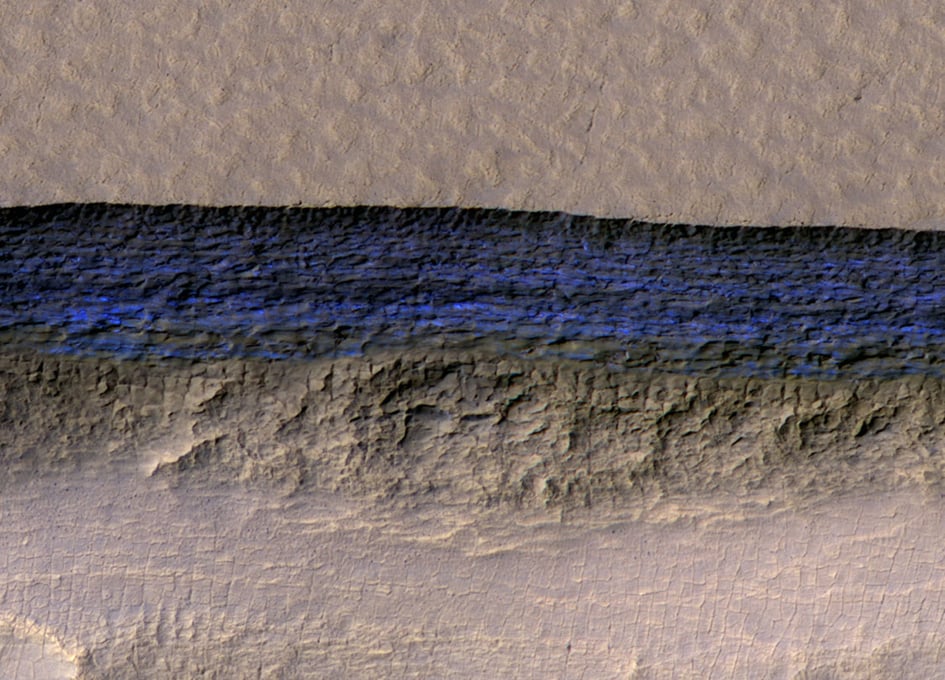
The exploration of space has extended beyond meteorites, with rovers on Mars uncovering liquid water streams and confirming the presence of frozen ice. The Cassini spacecraft has also discovered vast glaciers on Saturn’s moon Enceladus, while the Phoenix lander identified water ice just three centimeters below the Martian surface. These discoveries suggest that the fundamental requirements for life—water, organic compounds, and energy sources—could exist throughout our Solar System.
In addition, radio telescopes have detected over one hundred organic molecules in interstellar dust clouds. These findings bolster the panspermia hypothesis, which posits that life’s building blocks are dispersed throughout space, potentially seeding planets across the galaxy.
Despite extensive research, evidence of intelligent extraterrestrial civilizations remains elusive. Although numerous UFO reports and initiatives from the Search for Extraterrestrial Intelligence (SETI) have sought to establish contact, no confirmed signs of intelligent life have emerged. Many UFO sightings have been attributed to natural phenomena, such as ball lightning, while the purported alien remains presented to Mexico’s Congress in 2023 were quickly dismissed as fabrications.
The primary challenge lies not in the absence of life’s ingredients but in establishing that these components have led to the formation of living organisms elsewhere. The presence of DNA building blocks within billion-year-old meteorites does not confirm the existence of alien bacteria; it merely indicates that the chemistry necessary for life occurs naturally in space.
Artificial Intelligence in the Search
As the search for extraterrestrial life continues, artificial intelligence is playing an increasingly vital role. New AI algorithms can analyze meteorite chemistry to differentiate between biological and non-biological origins of organic compounds. Machine learning techniques enhance the analysis of radio signals and assist in identifying potential biosignatures in the atmospheres of distant exoplanets.
While human analysis may overlook subtle patterns within vast datasets, AI excels at detecting these nuances. The evidence gathered thus far suggests that the building blocks of life are indeed scattered throughout the universe. Whether these elements have come together to form living organisms—whether microbial or intelligent—remains one of the most intriguing questions that humanity continues to explore.
The search for extraterrestrial life has yielded significant findings, yet the ultimate question of whether life has emerged elsewhere in the universe still awaits a definitive answer.

Urgent Swatting Incident Ties Up Emergency Resources in Alabama

Urgent Tax Alert: Claim Your Deductions Before April 15!

Scientists Investigate Cosmic Defects: Where Are They Now?

Spring Bocce Leagues Open Registration in Rapid City

CALV Offers Essential Communication Class for Real Estate Pros

Samsung Galaxy Watch 9 Set for Larger 435mAh Battery Upgrade

Healthy Choice Wellness Reports Earnings, Stock Sees Uptick

Prince Harry Claims to Be ‘Antidote to Andrew’ Amid Royal Crisis

Pet Owners Weigh Kibble Against Fresh Dog Food Options

ALMA Discovers Companion Orbiting Giant Star π 1 Gruis

U.S. Visa Rescheduling Hits H‐1B Applicants as New Vetting Rules Take Effect

University of Hawaiʻi Joins $25.6M AI Project for Disaster Monitoring

F-22 Raptor vs. Su-57 Felon: A 2025 Fighter Jet Comparison

Recent Divorce Judgments from Iberia Parish Court Records

Ohio State Study Uncovers Brain Connectivity and Function Links

Prince Andrew Faces Fallout from Scandals and Allegations

Urgent: Flight Cancellations Loom at Texas Airports Amid Shutdown

Frank Dunn, Esteemed Builder and Community Leader, Passes Away at 89
-
 Science8 months ago
ALMA Discovers Companion Orbiting Giant Star π 1 Gruis
-
 Politics6 months ago
U.S. Visa Rescheduling Hits H‐1B Applicants as New Vetting Rules Take Effect
-
Science8 months ago
University of Hawaiʻi Joins $25.6M AI Project for Disaster Monitoring
-
 World8 months ago
F-22 Raptor vs. Su-57 Felon: A 2025 Fighter Jet Comparison
-
 Politics8 months ago
Recent Divorce Judgments from Iberia Parish Court Records
-
 Science9 months ago
Ohio State Study Uncovers Brain Connectivity and Function Links
-
 World8 months ago
Prince Andrew Faces Fallout from Scandals and Allegations
-
 Top Stories8 months ago
Urgent: Flight Cancellations Loom at Texas Airports Amid Shutdown
-
 Lifestyle8 months ago
Frank Dunn, Esteemed Builder and Community Leader, Passes Away at 89
-

 Business8 months ago
Appian Recognizes 2025 Partner Award Winners for Enterprise Innovation
-

 Entertainment6 months ago
Malachi Barton Tops Google Searches as Disney’s Rising Star of 2025
-

 Science9 months ago
Innovator Captures Light at 2 Billion Frames Per Second