
Business
California Pension Funds Face Growing Debt and Investment Risks

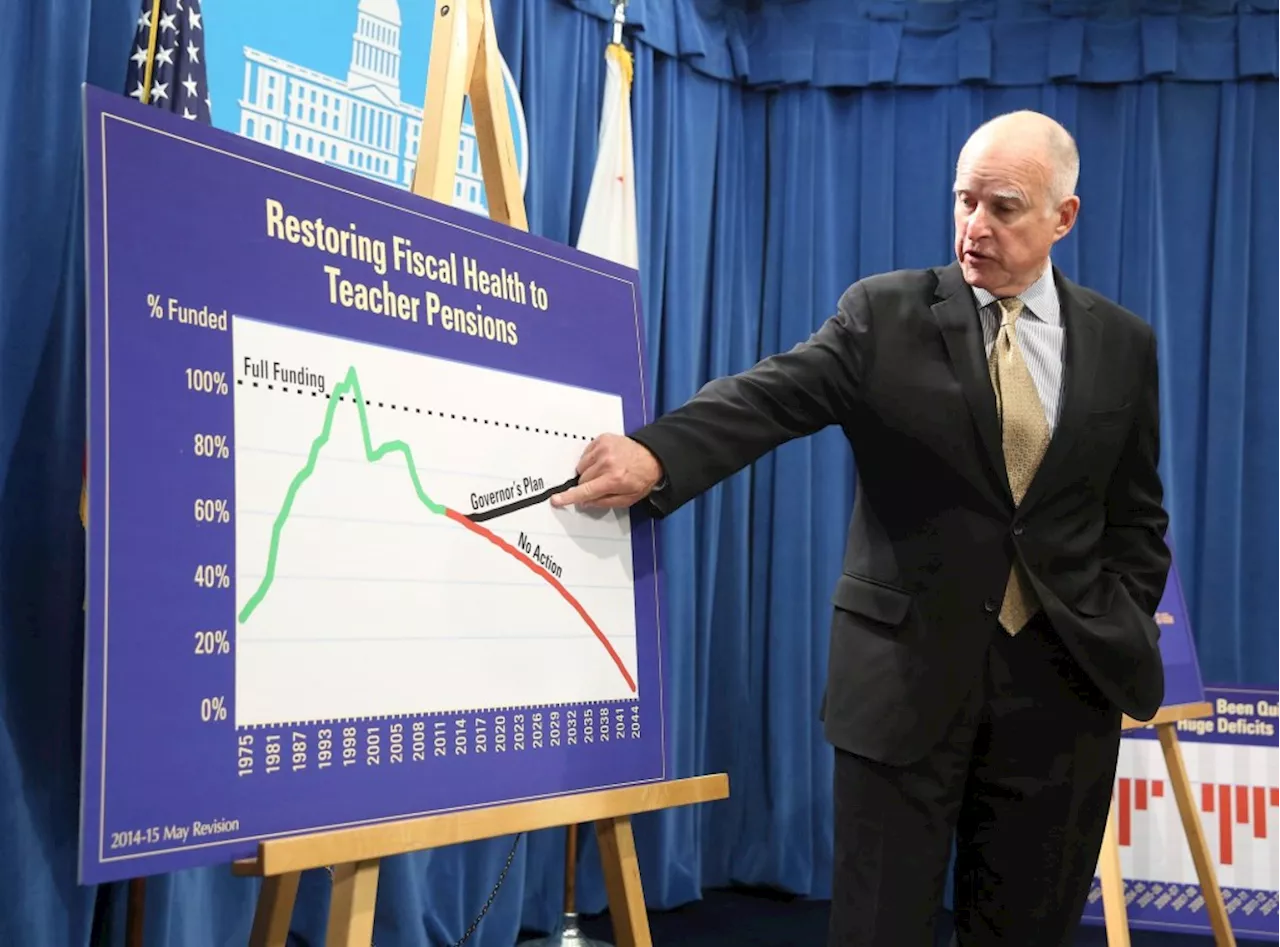
California’s public pension systems are grappling with increasing debt and investment risks, according to a new report from the Reason Foundation. The findings highlight that both the California Public Employees’ Retirement System (CalPERS) and the California State Teachers’ Retirement System (CalSTRS) are taking on more risk while experiencing disappointing investment returns. This trend has led to substantial unfunded liabilities, posing a significant financial burden on taxpayers.
As of now, California’s public pension systems collectively face over $265 billion in unfunded liabilities, the highest in the United States. This translates to more than $6,000 in pension debt for each resident of the state. Specifically, CalPERS is reporting $166 billion in unfunded liabilities, while CalSTRS stands at $39 billion. Given that pension benefits for government employees are constitutionally protected, taxpayers are ultimately responsible for covering this debt.
In response to these financial challenges, pension systems are pursuing various investment strategies to meet their obligations. Many are shifting from traditional investments, such as stocks and bonds, towards higher-risk alternatives like real estate, hedge funds, private equity, and commodities. This strategic pivot raises concerns about the potential for significant losses, which taxpayers would bear in the event of underperformance.
The report indicates that in 2001, only 11% of California’s pension assets were allocated to alternative investments. By 2024, this figure had surged to 37%, ranking California 18th nationally in this regard. Notably, CalPERS has more than doubled its investment in private equity over the last four years, with plans to increase its allocation to 40% of its portfolio.
Despite these efforts, California’s pension systems have not kept pace with returns from their peers. Over the past 20 years, CalPERS and CalSTRS reported average returns of 6.8% and 7.6%, respectively, significantly trailing the S&P 500’s average return of 10.4%. Even with the adoption of higher-risk strategies, California’s pension funds ranked 36th out of 50 states in average investment returns over the last five years, achieving only 7.51%.
The increasing reliance on alternative investments introduces a level of complexity and risk that may not benefit retirees or taxpayers. Many of these investments come with high fees, primarily benefiting fund managers, while their opaque accounting practices can obscure true performance. Underestimating the risks associated with these strategies could exacerbate the financial strain on state and local budgets.
As pension debt continues to rise, the pressure mounts for California’s pension funds to seek higher returns. The consequences of failing to deliver on these returns could result in more funding being diverted from essential services such as infrastructure, education, and public safety to cover pension funding gaps.
In summary, while it is critical for CalPERS, CalSTRS, and other public pension systems to achieve robust investment returns, it is equally important to conduct thorough assessments of downside risks. The current trajectory raises questions about the sustainability of these strategies and the ultimate impact on taxpayers and public employees alike.

Urgent Swatting Incident Ties Up Emergency Resources in Alabama

Urgent Tax Alert: Claim Your Deductions Before April 15!

Scientists Investigate Cosmic Defects: Where Are They Now?

Spring Bocce Leagues Open Registration in Rapid City

CALV Offers Essential Communication Class for Real Estate Pros

Samsung Galaxy Watch 9 Set for Larger 435mAh Battery Upgrade

Healthy Choice Wellness Reports Earnings, Stock Sees Uptick

Prince Harry Claims to Be ‘Antidote to Andrew’ Amid Royal Crisis

Pet Owners Weigh Kibble Against Fresh Dog Food Options

ALMA Discovers Companion Orbiting Giant Star π 1 Gruis

U.S. Visa Rescheduling Hits H‐1B Applicants as New Vetting Rules Take Effect

University of Hawaiʻi Joins $25.6M AI Project for Disaster Monitoring

F-22 Raptor vs. Su-57 Felon: A 2025 Fighter Jet Comparison

Recent Divorce Judgments from Iberia Parish Court Records

Ohio State Study Uncovers Brain Connectivity and Function Links

Prince Andrew Faces Fallout from Scandals and Allegations

Urgent: Flight Cancellations Loom at Texas Airports Amid Shutdown

Frank Dunn, Esteemed Builder and Community Leader, Passes Away at 89
-
 Science8 months ago
ALMA Discovers Companion Orbiting Giant Star π 1 Gruis
-
 Politics6 months ago
U.S. Visa Rescheduling Hits H‐1B Applicants as New Vetting Rules Take Effect
-
Science8 months ago
University of Hawaiʻi Joins $25.6M AI Project for Disaster Monitoring
-
 World8 months ago
F-22 Raptor vs. Su-57 Felon: A 2025 Fighter Jet Comparison
-
 Politics8 months ago
Recent Divorce Judgments from Iberia Parish Court Records
-
 Science9 months ago
Ohio State Study Uncovers Brain Connectivity and Function Links
-
 World8 months ago
Prince Andrew Faces Fallout from Scandals and Allegations
-
 Top Stories8 months ago
Urgent: Flight Cancellations Loom at Texas Airports Amid Shutdown
-
 Lifestyle8 months ago
Frank Dunn, Esteemed Builder and Community Leader, Passes Away at 89
-

 Business8 months ago
Appian Recognizes 2025 Partner Award Winners for Enterprise Innovation
-

 Entertainment6 months ago
Malachi Barton Tops Google Searches as Disney’s Rising Star of 2025
-

 Science9 months ago
Innovator Captures Light at 2 Billion Frames Per Second