
Business
U.S. Cuts Air Traffic by 10% at 40 Airports Due to Shutdown

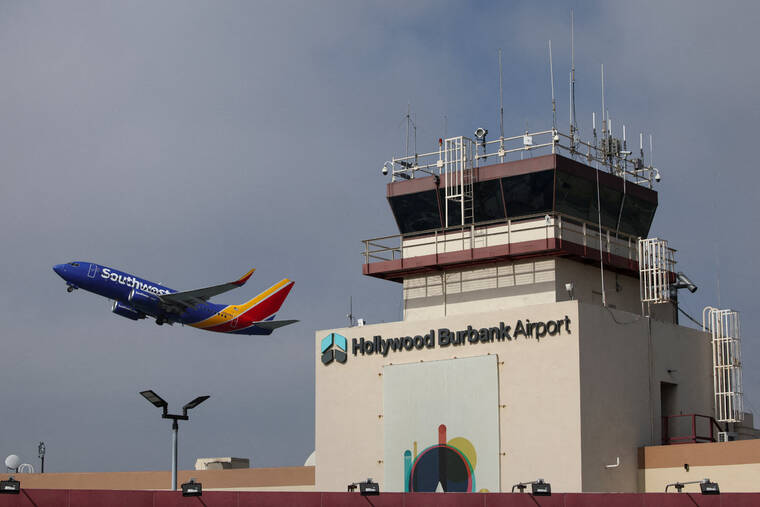
U.S. Transportation Secretary Sean Duffy announced a significant reduction in air traffic, implementing a 10% cut at 40 major airports starting Friday, October 6, 2023. This decision comes as the federal government shutdown stretches into its 36th day, impacting thousands of aviation workers and leading to extensive flight disruptions.
The ongoing shutdown has forced approximately 13,000 air traffic controllers and 50,000 Transportation Security Administration (TSA) officers to work without pay. As a result, staff shortages have intensified, causing delays and longer lines at airport security checkpoints. “We had a gut check of what is our job,” Duffy explained during a press conference, detailing the rationale behind the drastic measure.
The reduction in scheduled flights aims to alleviate the burden on air traffic controllers, who have been struggling to manage increasing workloads. The Federal Aviation Administration (FAA) has indicated that it may impose additional flight restrictions if the situation worsens. Earlier this week, Duffy warned that if the shutdown persists for another week, it could lead to “mass chaos,” potentially resulting in the closure of parts of the national airspace.
Airlines have expressed growing concerns regarding aviation safety amid the shutdown. Major carriers, including United Airlines and American Airlines, reported a decline of about 1% in their stock prices during extended trading hours. An industry group estimated that over 3.2 million passengers have experienced delays or cancellations due to the rising absenteeism among air traffic controllers, which has increased significantly since the shutdown began on October 1, 2023.
On Wednesday alone, more than 2,100 flights were delayed. FAA Administrator Bryan Bedford noted that between 20% and 40% of controllers at the agency’s 30 largest airports were not reporting for duty. While airlines have maintained that the shutdown has not yet severely impacted their operations, they have cautioned that prolonged disruption could lead to a drop in bookings.
The federal government remains largely inactive as political leaders remain at an impasse over funding legislation. Democrats have stated they will not support a plan that does not extend health insurance subsidies, while Republicans have outright rejected such proposals. The stalemate continues to affect not only air travel but also a broad range of other services dependent on government operations.
As the situation evolves, the aviation industry and its passengers remain on high alert, hoping for a resolution to the shutdown that has significantly disrupted air travel across the United States.

Urgent Swatting Incident Ties Up Emergency Resources in Alabama

Urgent Tax Alert: Claim Your Deductions Before April 15!

Scientists Investigate Cosmic Defects: Where Are They Now?

Spring Bocce Leagues Open Registration in Rapid City

CALV Offers Essential Communication Class for Real Estate Pros

Samsung Galaxy Watch 9 Set for Larger 435mAh Battery Upgrade

Healthy Choice Wellness Reports Earnings, Stock Sees Uptick

Prince Harry Claims to Be ‘Antidote to Andrew’ Amid Royal Crisis

Pet Owners Weigh Kibble Against Fresh Dog Food Options

ALMA Discovers Companion Orbiting Giant Star π 1 Gruis

U.S. Visa Rescheduling Hits H‐1B Applicants as New Vetting Rules Take Effect

University of Hawaiʻi Joins $25.6M AI Project for Disaster Monitoring

F-22 Raptor vs. Su-57 Felon: A 2025 Fighter Jet Comparison

Recent Divorce Judgments from Iberia Parish Court Records

Ohio State Study Uncovers Brain Connectivity and Function Links

Prince Andrew Faces Fallout from Scandals and Allegations

Urgent: Flight Cancellations Loom at Texas Airports Amid Shutdown

Frank Dunn, Esteemed Builder and Community Leader, Passes Away at 89
-
 Science8 months ago
ALMA Discovers Companion Orbiting Giant Star π 1 Gruis
-
 Politics6 months ago
U.S. Visa Rescheduling Hits H‐1B Applicants as New Vetting Rules Take Effect
-
Science8 months ago
University of Hawaiʻi Joins $25.6M AI Project for Disaster Monitoring
-
 World8 months ago
F-22 Raptor vs. Su-57 Felon: A 2025 Fighter Jet Comparison
-
 Politics8 months ago
Recent Divorce Judgments from Iberia Parish Court Records
-
 Science9 months ago
Ohio State Study Uncovers Brain Connectivity and Function Links
-
 World8 months ago
Prince Andrew Faces Fallout from Scandals and Allegations
-
 Top Stories8 months ago
Urgent: Flight Cancellations Loom at Texas Airports Amid Shutdown
-
 Lifestyle8 months ago
Frank Dunn, Esteemed Builder and Community Leader, Passes Away at 89
-

 Business8 months ago
Appian Recognizes 2025 Partner Award Winners for Enterprise Innovation
-

 Entertainment6 months ago
Malachi Barton Tops Google Searches as Disney’s Rising Star of 2025
-

 Science9 months ago
Innovator Captures Light at 2 Billion Frames Per Second