
World
NATO Leaders Confirm No Article 5 Trigger Over Iran Missile

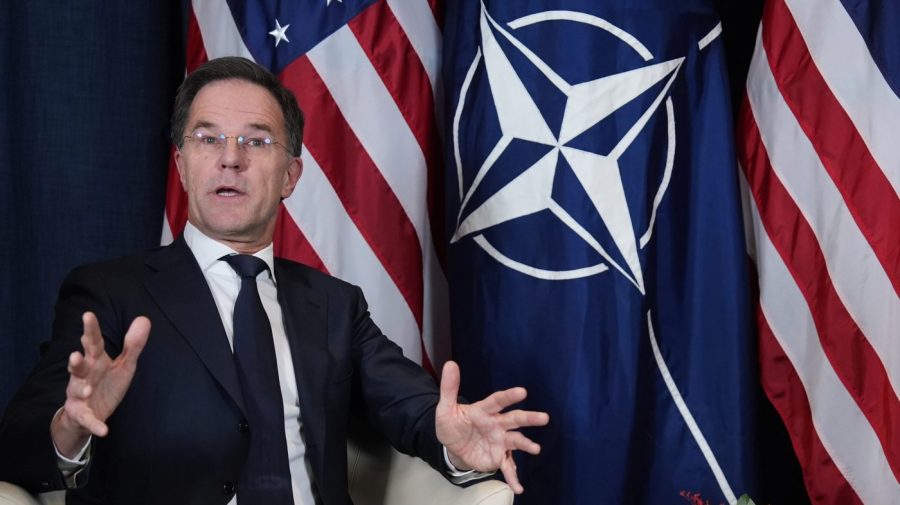
NATO Secretary General Mark Rutte confirmed that the alliance will not invoke Article 5 following an incident where an Iranian missile entered Turkish airspace. Speaking to Reuters on November 9, 2023, Rutte emphasized that the focus is on demonstrating NATO’s strength rather than escalating the situation.
Rutte stated, “Nobody’s talking about Article 5.” Instead, he highlighted the importance of vigilance and readiness within NATO, noting that adversaries observed the alliance’s capacity to respond to threats. Turkey’s geographical position makes it a critical member of NATO, and incidents involving its airspace are closely monitored by the alliance.
Background of the Incident
The missile launch from Iran raised alarms within the NATO framework, as any incursion into a member state’s territory can potentially invoke collective defense measures outlined in Article 5. This article asserts that an armed attack against one or more members is considered an attack against all. However, Rutte’s remarks indicate a measured approach to the situation.
Following the missile’s trajectory, NATO officials convened to assess the implications of the event. Rutte conveyed confidence in NATO’s deterrence capabilities, suggesting that the alliance remains alert to any further provocations.
In addition to the immediate response, NATO’s leadership reiterated the importance of diplomatic channels in addressing tensions in the region. The missile incident comes at a time when geopolitical relations are particularly strained, underscoring the necessity for strategic dialogue.
NATO’s Response Strategy
While the threat of escalation looms, NATO maintains a strategy focused on defense and deterrence rather than aggressive retaliation. Rutte’s clear stance reflects a commitment to stability in the region, emphasizing that NATO’s unity and readiness are paramount.
Analysts note that while the incident could have escalated tensions, the absence of an Article 5 invocation illustrates NATO’s preference for restraint. This approach aims to prevent unnecessary conflict while reinforcing the alliance’s presence and capabilities.
As the situation develops, NATO will continue to monitor the region closely, ensuring that member states, particularly Turkey, remain secure. Rutte’s comments serve to reassure both the public and NATO allies of the organization’s commitment to collective security and vigilance in the face of potential threats.
Overall, NATO’s response to the missile incident demonstrates a calculated balance between vigilance and diplomacy, reinforcing its role as a stabilizing force in international relations.

Urgent Swatting Incident Ties Up Emergency Resources in Alabama

Urgent Tax Alert: Claim Your Deductions Before April 15!

Scientists Investigate Cosmic Defects: Where Are They Now?

Spring Bocce Leagues Open Registration in Rapid City

CALV Offers Essential Communication Class for Real Estate Pros

Samsung Galaxy Watch 9 Set for Larger 435mAh Battery Upgrade

Healthy Choice Wellness Reports Earnings, Stock Sees Uptick

Prince Harry Claims to Be ‘Antidote to Andrew’ Amid Royal Crisis

Pet Owners Weigh Kibble Against Fresh Dog Food Options

ALMA Discovers Companion Orbiting Giant Star π 1 Gruis

U.S. Visa Rescheduling Hits H‐1B Applicants as New Vetting Rules Take Effect

University of Hawaiʻi Joins $25.6M AI Project for Disaster Monitoring

F-22 Raptor vs. Su-57 Felon: A 2025 Fighter Jet Comparison

Recent Divorce Judgments from Iberia Parish Court Records

Urgent: Flight Cancellations Loom at Texas Airports Amid Shutdown

Ohio State Study Uncovers Brain Connectivity and Function Links

Frank Dunn, Esteemed Builder and Community Leader, Passes Away at 89

Appian Recognizes 2025 Partner Award Winners for Enterprise Innovation
-
 Science9 months ago
ALMA Discovers Companion Orbiting Giant Star π 1 Gruis
-
 Politics7 months ago
U.S. Visa Rescheduling Hits H‐1B Applicants as New Vetting Rules Take Effect
-
Science10 months ago
University of Hawaiʻi Joins $25.6M AI Project for Disaster Monitoring
-
 World10 months ago
F-22 Raptor vs. Su-57 Felon: A 2025 Fighter Jet Comparison
-
 Politics9 months ago
Recent Divorce Judgments from Iberia Parish Court Records
-
 Top Stories10 months ago
Urgent: Flight Cancellations Loom at Texas Airports Amid Shutdown
-
 Science10 months ago
Ohio State Study Uncovers Brain Connectivity and Function Links
-
 Lifestyle10 months ago
Frank Dunn, Esteemed Builder and Community Leader, Passes Away at 89
-
 Business9 months ago
Appian Recognizes 2025 Partner Award Winners for Enterprise Innovation
-

 World10 months ago
Prince Andrew Faces Fallout from Scandals and Allegations
-

 Entertainment8 months ago
Malachi Barton Tops Google Searches as Disney’s Rising Star of 2025
-

 Top Stories9 months ago
Republican Matt Van Epps Wins Tennessee Special Election