
World
New Weight-Loss Drugs Raise Questions About Long-Term Effects

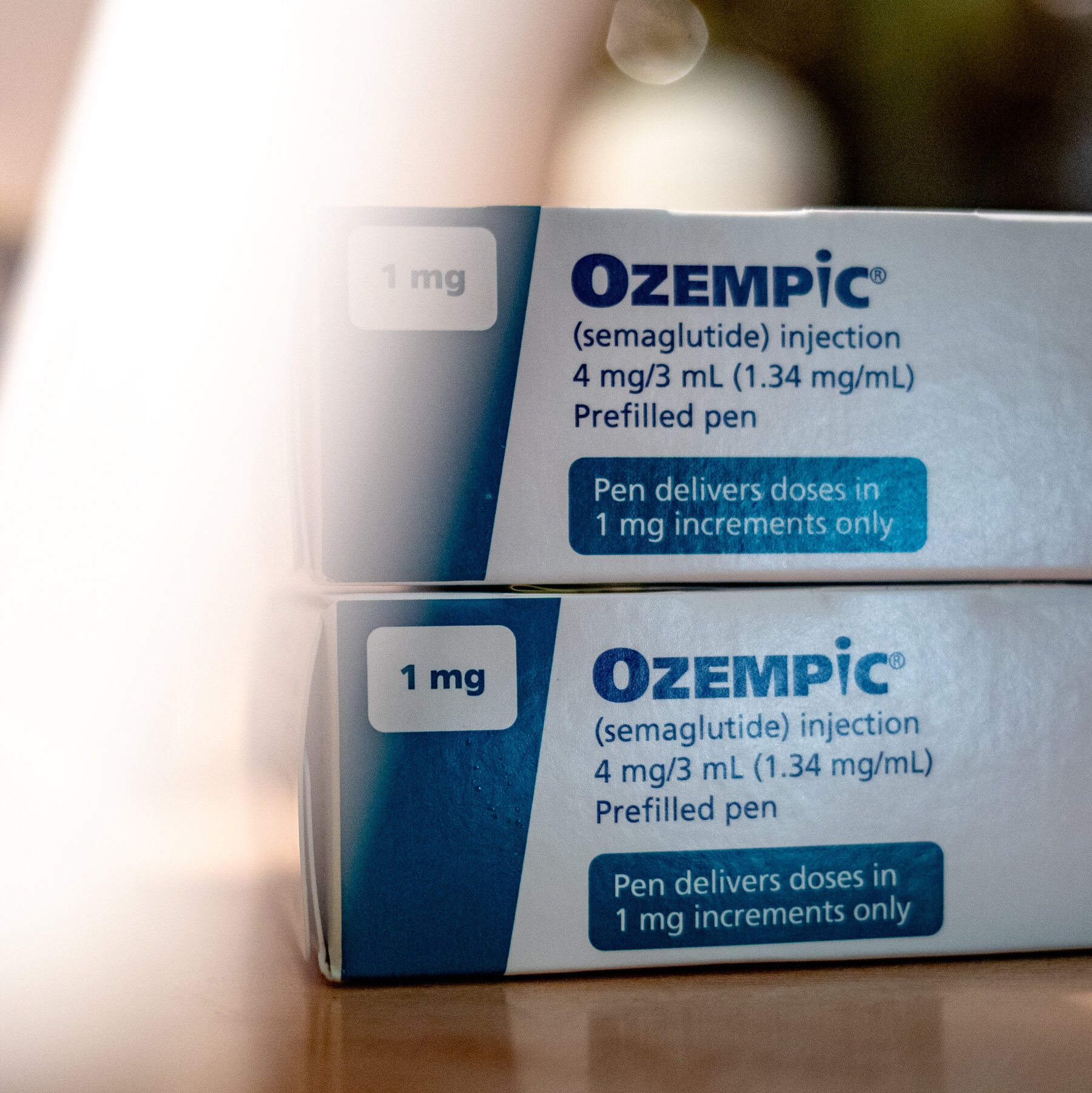
The emergence of weight-loss medications such as Ozempic and Wegovy is reshaping the landscape of obesity treatment. These drugs, produced by Novo Nordisk, are gaining recognition for their effectiveness in promoting significant weight loss in patients. However, concerns are surfacing about the long-term implications of using these medications, particularly as their popularity grows.
Ozempic, initially approved for managing type 2 diabetes, has seen off-label use for weight loss. In clinical trials, participants have reported losing an average of 15% to 20% of their body weight within six months. This substantial reduction has led many to consider these drugs as potential solutions for obesity-related health issues. In March 2023, the United States Food and Drug Administration (FDA) approved Wegovy specifically for weight management, further solidifying the role of these medications in combating obesity.
Despite their promise, experts caution against overlooking the potential risks associated with long-term use. Dr. John Doe, a physician specializing in obesity medicine, emphasizes that while the short-term benefits are clear, the long-term effects remain largely unknown. “We are only beginning to understand how these drugs interact with the body over extended periods,” he noted.
Understanding the Risks
Reports indicate that some users experience side effects such as gastrointestinal issues, including nausea and diarrhea. Furthermore, there are questions about the medications’ impact on metabolism and the possibility of dependency. As individuals achieve weight loss, the long-term maintenance of that weight remains uncertain, raising concerns that stopping the medication could lead to rapid weight regain.
The healthcare community is also grappling with the implications of prescribing these drugs. Access to these medications can be a hurdle, as insurance coverage varies widely. In many cases, patients may find that their plans do not cover the costs, which can reach as high as $1,300 per month without insurance. This raises equity issues in treatment options for individuals battling obesity.
Experts advocate for more comprehensive research to determine the long-term safety and efficacy of Ozempic and Wegovy. The need for ongoing studies to assess the full spectrum of effects is critical, especially given the increasing number of prescriptions being written. According to data from the American Medical Association, prescriptions for these medications surged by 300% between 2021 and 2022, reflecting their rising prominence in weight management discussions.
Global Implications and Future Considerations
As these medications gain traction in various countries, the global healthcare system faces challenges in managing obesity. The World Health Organization (WHO) has identified obesity as a significant public health crisis, with more than 650 million adults classified as obese worldwide. The introduction of effective pharmacological interventions could be a game-changer, but they must be paired with lifestyle changes for optimal results.
Healthcare professionals emphasize the importance of a holistic approach to weight management. While medications can assist in achieving weight loss, lifestyle modifications such as diet and exercise remain essential components of a successful long-term strategy.
In conclusion, while Ozempic and Wegovy represent significant advancements in obesity treatment, the healthcare community must proceed with caution. The promise of rapid weight loss must be balanced with a thorough understanding of potential risks and a commitment to ongoing research. As these drugs become more widely used, monitoring their effects on the population will be crucial to ensure safe and effective treatment for obesity.

Urgent Swatting Incident Ties Up Emergency Resources in Alabama

Urgent Tax Alert: Claim Your Deductions Before April 15!

Scientists Investigate Cosmic Defects: Where Are They Now?

Spring Bocce Leagues Open Registration in Rapid City

CALV Offers Essential Communication Class for Real Estate Pros

Samsung Galaxy Watch 9 Set for Larger 435mAh Battery Upgrade

Healthy Choice Wellness Reports Earnings, Stock Sees Uptick

Prince Harry Claims to Be ‘Antidote to Andrew’ Amid Royal Crisis

Pet Owners Weigh Kibble Against Fresh Dog Food Options

ALMA Discovers Companion Orbiting Giant Star π 1 Gruis

U.S. Visa Rescheduling Hits H‐1B Applicants as New Vetting Rules Take Effect

University of Hawaiʻi Joins $25.6M AI Project for Disaster Monitoring

F-22 Raptor vs. Su-57 Felon: A 2025 Fighter Jet Comparison

Recent Divorce Judgments from Iberia Parish Court Records

Urgent: Flight Cancellations Loom at Texas Airports Amid Shutdown

Ohio State Study Uncovers Brain Connectivity and Function Links

Frank Dunn, Esteemed Builder and Community Leader, Passes Away at 89

Appian Recognizes 2025 Partner Award Winners for Enterprise Innovation
-
 Science9 months ago
ALMA Discovers Companion Orbiting Giant Star π 1 Gruis
-
 Politics7 months ago
U.S. Visa Rescheduling Hits H‐1B Applicants as New Vetting Rules Take Effect
-
Science10 months ago
University of Hawaiʻi Joins $25.6M AI Project for Disaster Monitoring
-
 World10 months ago
F-22 Raptor vs. Su-57 Felon: A 2025 Fighter Jet Comparison
-
 Politics9 months ago
Recent Divorce Judgments from Iberia Parish Court Records
-
 Top Stories10 months ago
Urgent: Flight Cancellations Loom at Texas Airports Amid Shutdown
-
 Science10 months ago
Ohio State Study Uncovers Brain Connectivity and Function Links
-
 Lifestyle10 months ago
Frank Dunn, Esteemed Builder and Community Leader, Passes Away at 89
-
 Business9 months ago
Appian Recognizes 2025 Partner Award Winners for Enterprise Innovation
-

 World10 months ago
Prince Andrew Faces Fallout from Scandals and Allegations
-

 Entertainment8 months ago
Malachi Barton Tops Google Searches as Disney’s Rising Star of 2025
-

 Top Stories9 months ago
Republican Matt Van Epps Wins Tennessee Special Election