
Top Stories
Law Professor Calls for Halt to Epstein Document Release in NYT

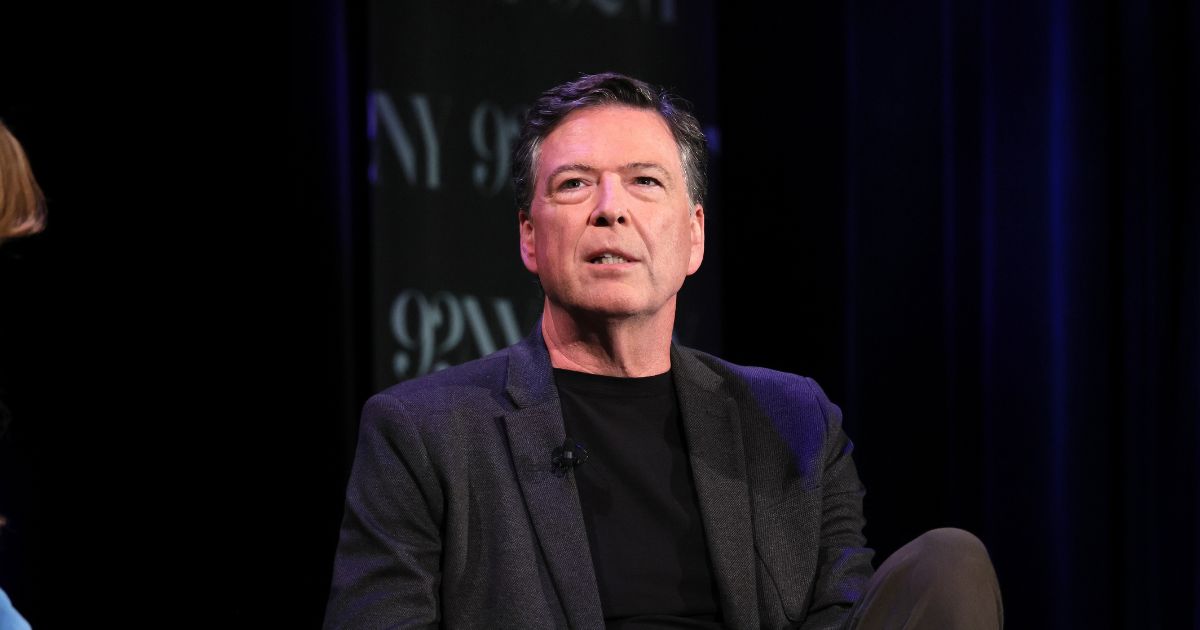
URGENT UPDATE: Daniel Richman, a former federal prosecutor and current law professor at Columbia University, has published a contentious opinion piece in The New York Times, arguing against the release of documents related to Jeffrey Epstein. Richman’s piece, titled “The Epstein Files Should Never Have Been Released,” raises alarm bells about the implications of making millions of pages of sensitive files public.
Richman, who once leaked information for former FBI director James Comey, now questions the wisdom of releasing documents that he argues signify “institutional failure.” He urges caution, stating that the drive for “accountability for people in power” obscures the potential dangers of public access to these files.
The timing of Richman’s essay is crucial. It arrives amid heightened scrutiny of the Epstein case, which has recently seen new waves of public interest due to ongoing investigations. Richman’s concerns echo a ruling from a U.S. district court in December that highlighted violations of the Fourth Amendment during investigations involving Comey and himself. His worries stem from what he describes as “coercive investigative tools” that have been misused in the past.
Richman points out that the Epstein documents have been accessible under three different administrations — including those of Donald Trump and Joe Biden. He questions why these documents, which have been available for release, were not handled with greater caution. The sheer volume of the documents, he argues, raises ethical concerns about their potential to smear innocent individuals.
The impact of this situation is profound. The release of these documents could lead to significant revelations and potential fallout for numerous individuals tied to Epstein’s network. Richman’s alarm over the potential misuse of information is particularly striking, given his own history of leaking information to the press during the Trump administration.
As the public digests this news, the ethical implications of Richman’s dual role as a former leaker and current critic come into focus. His essay not only critiques the Epstein document release but also opens a discussion about accountability and the responsible handling of sensitive information.
In the coming days, attention will likely shift to how authorities respond to these concerns and whether there will be calls for further restrictions on the release of sensitive governmental documents. The situation remains fluid, with potential legal and political ramifications that could unfold as more details emerge.
Stay tuned for the latest developments as this story progresses. The implications of Richman’s arguments could resonate across political lines, affecting how the public and lawmakers view transparency and accountability in powerful institutions.

Urgent Swatting Incident Ties Up Emergency Resources in Alabama

Urgent Tax Alert: Claim Your Deductions Before April 15!

Scientists Investigate Cosmic Defects: Where Are They Now?

Spring Bocce Leagues Open Registration in Rapid City

CALV Offers Essential Communication Class for Real Estate Pros

Samsung Galaxy Watch 9 Set for Larger 435mAh Battery Upgrade

Healthy Choice Wellness Reports Earnings, Stock Sees Uptick

Prince Harry Claims to Be ‘Antidote to Andrew’ Amid Royal Crisis

Pet Owners Weigh Kibble Against Fresh Dog Food Options

ALMA Discovers Companion Orbiting Giant Star π 1 Gruis

U.S. Visa Rescheduling Hits H‐1B Applicants as New Vetting Rules Take Effect

University of Hawaiʻi Joins $25.6M AI Project for Disaster Monitoring

F-22 Raptor vs. Su-57 Felon: A 2025 Fighter Jet Comparison

Recent Divorce Judgments from Iberia Parish Court Records

Urgent: Flight Cancellations Loom at Texas Airports Amid Shutdown

Ohio State Study Uncovers Brain Connectivity and Function Links

Frank Dunn, Esteemed Builder and Community Leader, Passes Away at 89

Appian Recognizes 2025 Partner Award Winners for Enterprise Innovation
-
 Science9 months ago
ALMA Discovers Companion Orbiting Giant Star π 1 Gruis
-
 Politics8 months ago
U.S. Visa Rescheduling Hits H‐1B Applicants as New Vetting Rules Take Effect
-
Science10 months ago
University of Hawaiʻi Joins $25.6M AI Project for Disaster Monitoring
-
 World10 months ago
F-22 Raptor vs. Su-57 Felon: A 2025 Fighter Jet Comparison
-
 Politics9 months ago
Recent Divorce Judgments from Iberia Parish Court Records
-
 Top Stories10 months ago
Urgent: Flight Cancellations Loom at Texas Airports Amid Shutdown
-
 Science10 months ago
Ohio State Study Uncovers Brain Connectivity and Function Links
-
 Lifestyle10 months ago
Frank Dunn, Esteemed Builder and Community Leader, Passes Away at 89
-
 Business10 months ago
Appian Recognizes 2025 Partner Award Winners for Enterprise Innovation
-

 World10 months ago
Prince Andrew Faces Fallout from Scandals and Allegations
-

 Entertainment8 months ago
Malachi Barton Tops Google Searches as Disney’s Rising Star of 2025
-

 Top Stories9 months ago
Republican Matt Van Epps Wins Tennessee Special Election