
World
Southwest Airlines Shifts to Assigned Seating, Sparks Backlash

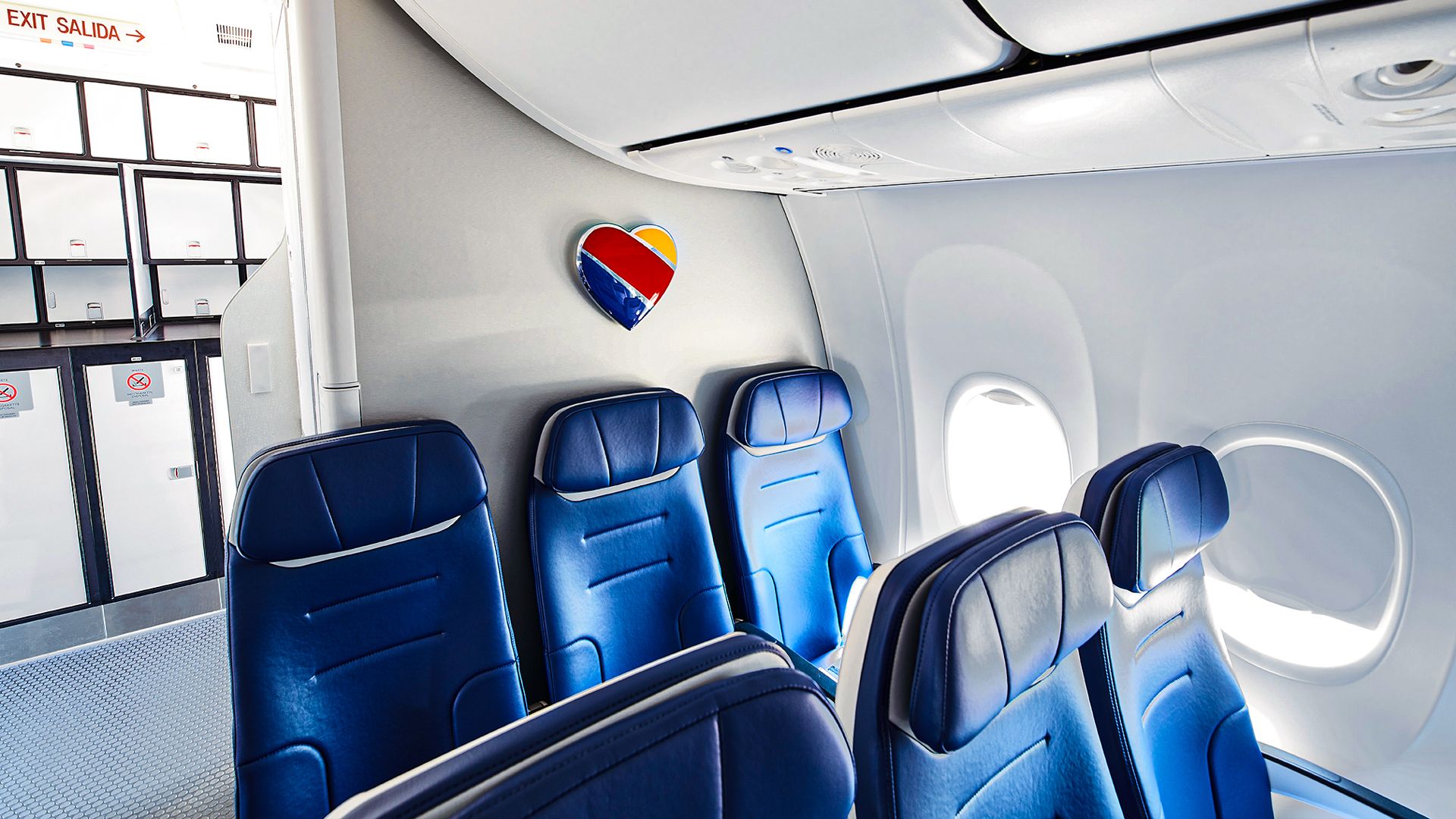
Southwest Airlines has officially transitioned to assigned seating, a move that marks the end of its long-standing open seating policy. This change was effective as of January 26, 2026, when flight WN1971 departed from Daniel K. Inouye International Airport in Honolulu to Los Angeles International Airport. With this shift, Southwest joins all other major U.S. airlines in adopting assigned seating, which allows the carrier to charge customers for seat selections and aims to significantly increase ancillary revenue.
The decision to implement assigned seating comes alongside the completion of retrofits to provide extra legroom in its fleet. While this change is projected to enhance revenue streams, it has drawn criticism from loyal customers who appreciated Southwest’s unique offerings, such as open seating and two free checked bags. The backlash highlights the tension between adapting to industry norms and maintaining brand identity.
Details of the Transition to Assigned Seating
Passengers on Southwest Airlines previously enjoyed the flexibility of open seating, where boarding groups A, B, and C determined their boarding order based on check-in time and fare class. Now, the airline has replaced these groups with eight numbered boarding groups, and seats are assigned during the booking process. Customers can still select seats ahead of time, but those purchasing basic economy tickets will not have the option to choose a seat.
The introduction of assigned seating has already led to complaints from frequent flyers, particularly A-List Preferred members who found themselves placed in later boarding groups despite assurances of better treatment. Anecdotal reports indicate that some passengers have been restricted from changing seats mid-flight, even when there were available options. These issues are likely a result of the airline adjusting to its new policies and technical systems, with improvements expected as staff gain experience.
Implications for Southwest’s Business Model
The backlash against assigned seating reflects a deeper concern about Southwest’s strategic direction. Over recent years, the airline has struggled to maintain profitability compared to legacy carriers, which have expanded their premium offerings and frequent flyer programs. Southwest, on the other hand, has historically relied on its unique customer experience to drive loyalty.
The shift in seating policy appears to be part of a broader strategy influenced by Elliott Investment Management, aimed at enhancing short-term profits. However, this approach risks alienating long-time supporters. The decision to charge for seat assignments and eliminate the longstanding policy of two free checked bags has raised eyebrows among loyal customers who feel their interests are being overlooked.
Critics argue that while assigned seating may align Southwest with industry standards, it does little to differentiate the airline in a competitive marketplace. The change is intended to attract a wider customer base, but the cost of acquiring new passengers is typically higher than retaining existing ones. As the airline navigates this transition, it must balance the need for additional revenue with the expectations of its loyal clientele.
In conclusion, Southwest Airlines’ move to assigned seating is emblematic of broader shifts in the airline industry. While it may ultimately enhance revenue, the response from loyal customers suggests that the airline faces significant challenges ahead as it redefines its identity in a rapidly changing market.

Urgent Swatting Incident Ties Up Emergency Resources in Alabama

Urgent Tax Alert: Claim Your Deductions Before April 15!

Scientists Investigate Cosmic Defects: Where Are They Now?

Spring Bocce Leagues Open Registration in Rapid City

CALV Offers Essential Communication Class for Real Estate Pros

Samsung Galaxy Watch 9 Set for Larger 435mAh Battery Upgrade

Healthy Choice Wellness Reports Earnings, Stock Sees Uptick

Prince Harry Claims to Be ‘Antidote to Andrew’ Amid Royal Crisis

Pet Owners Weigh Kibble Against Fresh Dog Food Options

ALMA Discovers Companion Orbiting Giant Star π 1 Gruis

U.S. Visa Rescheduling Hits H‐1B Applicants as New Vetting Rules Take Effect

University of Hawaiʻi Joins $25.6M AI Project for Disaster Monitoring

F-22 Raptor vs. Su-57 Felon: A 2025 Fighter Jet Comparison

Recent Divorce Judgments from Iberia Parish Court Records

Urgent: Flight Cancellations Loom at Texas Airports Amid Shutdown

Ohio State Study Uncovers Brain Connectivity and Function Links

Frank Dunn, Esteemed Builder and Community Leader, Passes Away at 89

Appian Recognizes 2025 Partner Award Winners for Enterprise Innovation
-
 Science9 months ago
ALMA Discovers Companion Orbiting Giant Star π 1 Gruis
-
 Politics7 months ago
U.S. Visa Rescheduling Hits H‐1B Applicants as New Vetting Rules Take Effect
-
Science10 months ago
University of Hawaiʻi Joins $25.6M AI Project for Disaster Monitoring
-
 World10 months ago
F-22 Raptor vs. Su-57 Felon: A 2025 Fighter Jet Comparison
-
 Politics9 months ago
Recent Divorce Judgments from Iberia Parish Court Records
-
 Top Stories10 months ago
Urgent: Flight Cancellations Loom at Texas Airports Amid Shutdown
-
 Science10 months ago
Ohio State Study Uncovers Brain Connectivity and Function Links
-
 Lifestyle10 months ago
Frank Dunn, Esteemed Builder and Community Leader, Passes Away at 89
-
 Business9 months ago
Appian Recognizes 2025 Partner Award Winners for Enterprise Innovation
-

 World10 months ago
Prince Andrew Faces Fallout from Scandals and Allegations
-

 Entertainment8 months ago
Malachi Barton Tops Google Searches as Disney’s Rising Star of 2025
-

 Top Stories9 months ago
Republican Matt Van Epps Wins Tennessee Special Election