
World
Public Resistance Grows Against Big Tech’s Surveillance Efforts

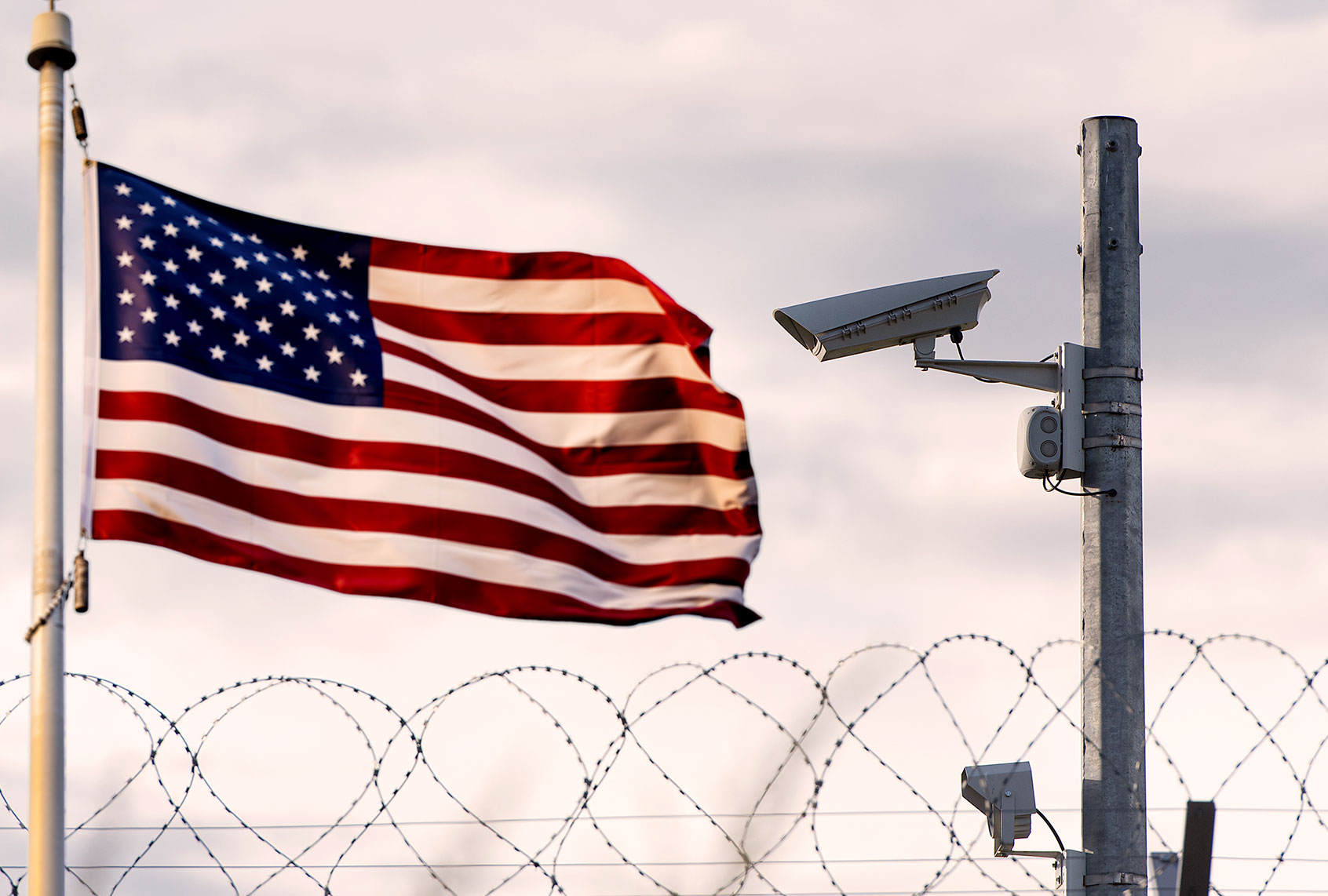
The rise of mass surveillance technology has prompted significant public backlash, revealing growing concerns about privacy and government overreach. This reaction is notably illustrated by the recent controversy surrounding Amazon’s Ring, which faced criticism for a Super Bowl advertisement promoting its pet-finding features. The ad, intended to showcase community benefits, instead highlighted the potential for widespread surveillance, prompting viewers to question the implications of such technology on civil liberties.
As we progress through the 21st century, it becomes increasingly apparent that society is grappling with a reality reminiscent of cyberpunk dystopias envisioned by authors like Philip K. Dick and William Gibson. While the world may lack the neon-lit aesthetics of these stories, the existence of powerful tech companies has created an environment where privacy is at risk. Corporations now wield influence that rivals that of many governments, with tools capable of extensive surveillance and data collection.
The recent backlash against Ring reflects a broader societal awakening to these issues. Many people recognize that while tools like Ring’s cameras could assist in locating lost pets, they also enable a network of surveillance that can monitor individuals without their consent. Critics argue that these systems can be easily weaponized against specific groups, with local law enforcement agencies increasingly sharing data with entities like U.S. Immigration and Customs Enforcement (ICE).
In response to public outcry, Ring recently severed its partnership with Flock Safety, a company known for its surveillance technology used by law enforcement. Flock’s tools, which include license plate readers and automated drones, have raised concerns regarding their implications for civil liberties and privacy rights. In a statement, Flock emphasized its commitment to supporting law enforcement while adhering to local laws, yet critics remain wary of the potential for misuse.
The implications of this surveillance extend beyond mere monitoring. Data collected from these technologies can feed into larger systems that track individuals based on arbitrary criteria, such as race or political dissent. Reports indicate that Flock cameras have been utilized to surveil protests and even track individuals seeking medical care, raising serious ethical questions about the reach of such technology.
Despite assurances from companies like Ring and Flock that they operate within legal boundaries, public skepticism remains high. A 2024 Gallup survey revealed that only 27% of Americans expressed high confidence in large tech companies, underscoring a growing distrust. This sentiment is further exacerbated by revelations that data collected by these companies can be shared with federal agencies, leading to fears of a pervasive surveillance state.
Amid this climate of apprehension, many individuals are seeking to reclaim their privacy. The demand for greater control over personal data has spurred movements advocating for digital rights and privacy protections. People are increasingly turning to tools such as VPNs and encrypted messaging services to maintain their online anonymity and safeguard their information.
The notion of privacy is not merely a concern for those with something to hide; it is fundamentally about the right to control one’s personal information. As individuals continue to navigate a world dominated by technology, the struggle for privacy and autonomy becomes ever more critical.
Public sentiment is shifting, with many recognizing the importance of community over technological solutions. Personal connections and neighborly support can often provide more reliable assistance than surveillance tools.
As society confronts the implications of mass surveillance, it is essential to maintain a dialogue about the balance between safety and privacy. The ongoing debate highlights the need for responsible governance of technology and a commitment to protecting individual rights in an increasingly digital world.
The discussion surrounding surveillance technologies is not new, but the urgency has intensified. As we move forward, it is crucial to advocate for transparency and accountability from tech companies and government agencies alike, ensuring that the rights of individuals are respected in the face of advancing technology.

Urgent Swatting Incident Ties Up Emergency Resources in Alabama

Urgent Tax Alert: Claim Your Deductions Before April 15!

Scientists Investigate Cosmic Defects: Where Are They Now?

Spring Bocce Leagues Open Registration in Rapid City

CALV Offers Essential Communication Class for Real Estate Pros

Samsung Galaxy Watch 9 Set for Larger 435mAh Battery Upgrade

Healthy Choice Wellness Reports Earnings, Stock Sees Uptick

Prince Harry Claims to Be ‘Antidote to Andrew’ Amid Royal Crisis

Pet Owners Weigh Kibble Against Fresh Dog Food Options

ALMA Discovers Companion Orbiting Giant Star π 1 Gruis

U.S. Visa Rescheduling Hits H‐1B Applicants as New Vetting Rules Take Effect

University of Hawaiʻi Joins $25.6M AI Project for Disaster Monitoring

F-22 Raptor vs. Su-57 Felon: A 2025 Fighter Jet Comparison

Ohio State Study Uncovers Brain Connectivity and Function Links

Recent Divorce Judgments from Iberia Parish Court Records

Prince Andrew Faces Fallout from Scandals and Allegations

Urgent: Flight Cancellations Loom at Texas Airports Amid Shutdown

Frank Dunn, Esteemed Builder and Community Leader, Passes Away at 89
-
 Science8 months ago
ALMA Discovers Companion Orbiting Giant Star π 1 Gruis
-
 Politics6 months ago
U.S. Visa Rescheduling Hits H‐1B Applicants as New Vetting Rules Take Effect
-
Science8 months ago
University of Hawaiʻi Joins $25.6M AI Project for Disaster Monitoring
-
 World8 months ago
F-22 Raptor vs. Su-57 Felon: A 2025 Fighter Jet Comparison
-
 Science8 months ago
Ohio State Study Uncovers Brain Connectivity and Function Links
-
 Politics8 months ago
Recent Divorce Judgments from Iberia Parish Court Records
-
 World8 months ago
Prince Andrew Faces Fallout from Scandals and Allegations
-
 Top Stories8 months ago
Urgent: Flight Cancellations Loom at Texas Airports Amid Shutdown
-
 Lifestyle8 months ago
Frank Dunn, Esteemed Builder and Community Leader, Passes Away at 89
-

 Business8 months ago
Appian Recognizes 2025 Partner Award Winners for Enterprise Innovation
-

 Entertainment6 months ago
Malachi Barton Tops Google Searches as Disney’s Rising Star of 2025
-

 Science9 months ago
Innovator Captures Light at 2 Billion Frames Per Second