
Health
Federal Subsidies Fuel Broad Health Insurance Landscape

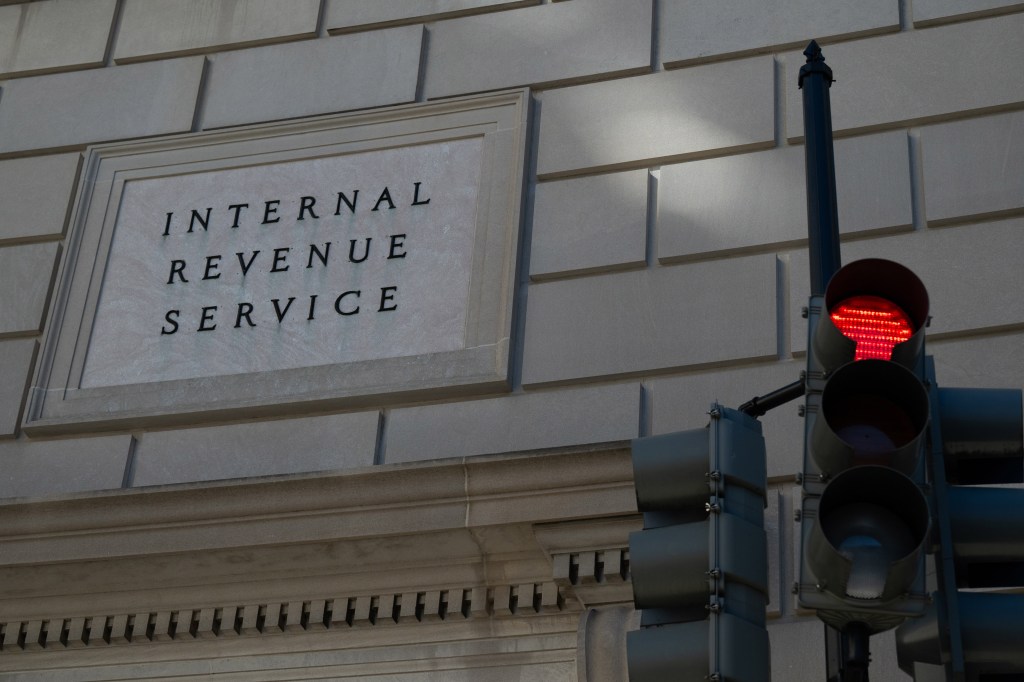
The landscape of health insurance in the United States is shaped significantly by various federal subsidies, extending beyond just the Affordable Care Act (ACA) plans. As the recent reduction of ACA subsidies impacts many enrollees financially, discussions surrounding federal funding for health insurance have gained renewed attention.
According to Larry Levitt, executive vice president for health policy at KFF (Kaiser Family Foundation), “The vast majority of people with health insurance get some kind of federal subsidy for it, from Medicaid to Medicare to the ACA to employer-sponsored insurance.” This assertion highlights a broader system of taxpayer-funded health insurance that often goes unnoticed.
Understanding Federal Health Insurance Funding
The federal budget allocates over $1.1 trillion annually to Medicare, which is the second-largest program behind Social Security. More than half of this funding comes from general federal funds, with the remainder sourced from payroll taxes and premiums paid by over 66 million enrollees. Medicaid, the largest health insurer in the U.S., covers more than 70 million low-income individuals and costs over $918 billion each year, financed jointly by federal (65%) and state (35%) contributions.
In addition to these well-known programs, a less visible but significant source of federal support comes from employer-sponsored health coverage. This system operates through tax breaks that allow employers and employees to save substantial amounts of money. Michael Cannon, director of health policy studies at the Cato Institute, emphasizes that “It’s a world apart from Medicare, Medicaid, and Obamacare — from the government writing checks to people.”
Job-based insurance, which covers at least 154 million people under age 65, contrasts sharply with the 22.9 million individuals enrolled in ACA plans this year, typically due to the lack of job-based options. The cost of extending enhanced ACA subsidies, which expired at the end of 2025, is estimated to be around $350 billion over the next decade.
The Impact of Tax Breaks on Health Coverage
The tax exclusion for employer-sponsored insurance represents the largest single exclusion in the federal budget, with estimates for this fiscal year reaching $451 billion. Employers can deduct the cost of health coverage as a business expense, and employees benefit by not paying income or payroll taxes on this value. These tax savings can equate to hundreds or even thousands of dollars annually, although the extent varies based on plan costs and the employee’s tax bracket.
Despite these advantages, many insured workers might not perceive these tax breaks as subsidies, given that they still contribute a portion of their pay to health coverage. Levitt notes, “they do feel like they’re paying,” which complicates the perception of federal support in this context.
The roots of this tax treatment trace back to World War II when wage and price controls incentivized employers to offer health coverage as a means to attract workers. This policy was formally enacted into tax law in 1954. While proponents argue that it encourages companies to provide health insurance, critics highlight the significant revenue loss for the Treasury and contend that it promotes the selection of more generous, and thus more expensive, health plans, ultimately increasing overall healthcare spending.
Economists assert that wealthier employees disproportionately benefit from these tax breaks, which also raises concerns that funds allocated for health insurance could otherwise be directed towards wage increases. Although there are currently no legislative initiatives to amend this tax exclusion, the growing federal deficit has prompted discussions among employer groups about potential changes.
According to Paul Fronstin from the Employee Benefit Research Institute, any modifications to the exclusion “would raise some revenue, but it’s also a tax increase for workers.” This dual impact means some workers might see an increase in their taxes without receiving corresponding wage increases.
While decades of attempts to cap or eliminate this exclusion have been unsuccessful, many policy experts caution against changes that could disincentivize employers from offering coverage. The average cost of family health premiums reached nearly $27,000 last year, a significant expense that employers must weigh against their overall workforce costs.
Elizabeth Mitchell, CEO of the Purchaser Business Group on Health, notes that without some form of tax incentive, employers may reconsider their health insurance offerings. She states, “If there’s not some sort of tax incentive, I would expect them to revisit whether they would bear those costs.”
In contrast, Cannon argues that the current policy limits employee choice, proposing that instead of employer-controlled plans, workers should receive wages that could be invested in tax-advantaged health savings accounts. He asserts that by allowing employees to manage their own health spending, individuals could make better choices aligned with their needs.
Mitchell counters this viewpoint, highlighting the challenges large employers face when negotiating health insurance prices with consolidated healthcare systems. She contends, “It’s hard to imagine how an individual would be able to navigate our current system,” emphasizing that the dynamics of healthcare demand are fundamentally different from typical consumer spending.
As discussions around health insurance subsidies evolve, it remains crucial for policymakers to balance supporting employers, ensuring affordable care for employees, and maintaining a sustainable federal budget.

Urgent Swatting Incident Ties Up Emergency Resources in Alabama

Urgent Tax Alert: Claim Your Deductions Before April 15!

Scientists Investigate Cosmic Defects: Where Are They Now?

Spring Bocce Leagues Open Registration in Rapid City

CALV Offers Essential Communication Class for Real Estate Pros

Samsung Galaxy Watch 9 Set for Larger 435mAh Battery Upgrade

Healthy Choice Wellness Reports Earnings, Stock Sees Uptick

Prince Harry Claims to Be ‘Antidote to Andrew’ Amid Royal Crisis

Pet Owners Weigh Kibble Against Fresh Dog Food Options

ALMA Discovers Companion Orbiting Giant Star π 1 Gruis

U.S. Visa Rescheduling Hits H‐1B Applicants as New Vetting Rules Take Effect

University of Hawaiʻi Joins $25.6M AI Project for Disaster Monitoring

F-22 Raptor vs. Su-57 Felon: A 2025 Fighter Jet Comparison

Ohio State Study Uncovers Brain Connectivity and Function Links

Recent Divorce Judgments from Iberia Parish Court Records

Prince Andrew Faces Fallout from Scandals and Allegations

Urgent: Flight Cancellations Loom at Texas Airports Amid Shutdown

Frank Dunn, Esteemed Builder and Community Leader, Passes Away at 89
-
 Science8 months ago
ALMA Discovers Companion Orbiting Giant Star π 1 Gruis
-
 Politics6 months ago
U.S. Visa Rescheduling Hits H‐1B Applicants as New Vetting Rules Take Effect
-
Science8 months ago
University of Hawaiʻi Joins $25.6M AI Project for Disaster Monitoring
-
 World8 months ago
F-22 Raptor vs. Su-57 Felon: A 2025 Fighter Jet Comparison
-
 Science8 months ago
Ohio State Study Uncovers Brain Connectivity and Function Links
-
 Politics8 months ago
Recent Divorce Judgments from Iberia Parish Court Records
-
 World8 months ago
Prince Andrew Faces Fallout from Scandals and Allegations
-
 Top Stories8 months ago
Urgent: Flight Cancellations Loom at Texas Airports Amid Shutdown
-
 Lifestyle8 months ago
Frank Dunn, Esteemed Builder and Community Leader, Passes Away at 89
-

 Entertainment6 months ago
Malachi Barton Tops Google Searches as Disney’s Rising Star of 2025
-

 Business8 months ago
Appian Recognizes 2025 Partner Award Winners for Enterprise Innovation
-

 Science9 months ago
Innovator Captures Light at 2 Billion Frames Per Second