
Top Stories
Controversial ‘Wuthering Heights’ Adaptation Sparks Heated Debate

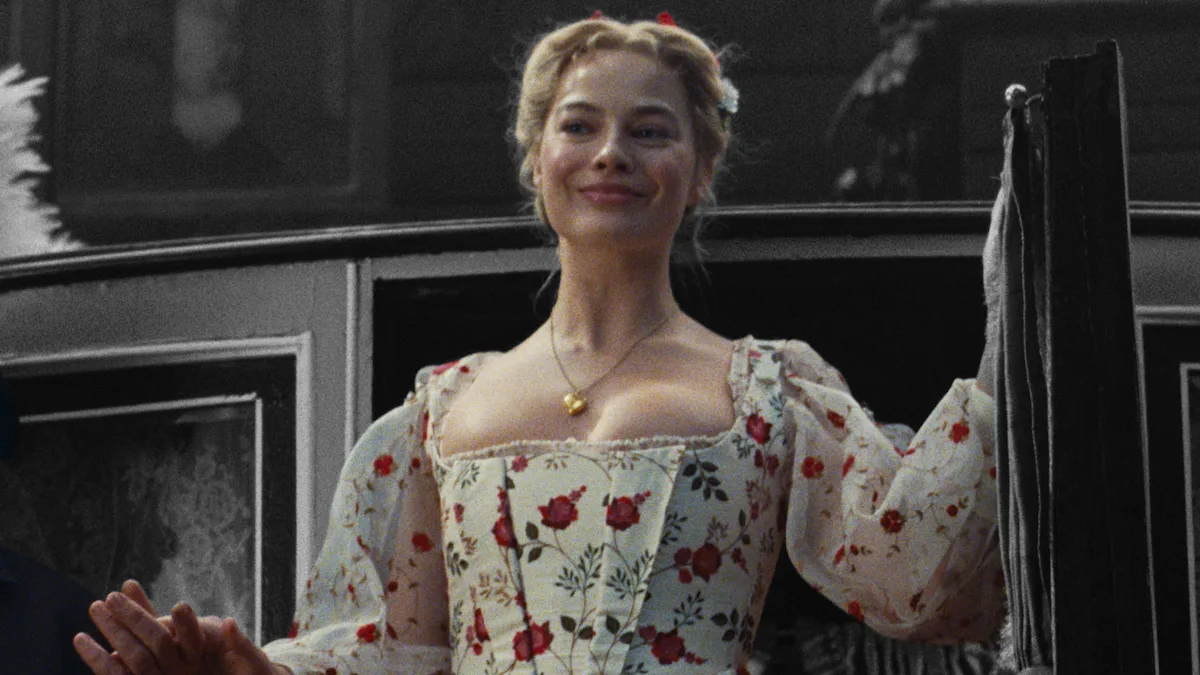
UPDATE: The highly anticipated film adaptation of Wuthering Heights, directed by Emerald Fennell and starring Margot Robbie and Jacob Elordi, has ignited a firestorm of debate across social media platforms, just days after its release. Within a mere three days, the film has already grossed $34.8 million, but critics are divided over its artistic merit and moral implications.
The 2026 adaptation, set against the grim backdrop of the English moors, has been described as both “gorgeous” and “idiotic.” Critics are questioning whether the film, which has been marketed as the “greatest love story ever told,” truly captures the dark essence of Emily Brontë’s original 1847 novel. Many argue that Fennell’s version simplifies the complex themes of class and violence that underpin the story.
The controversy began when the film’s casting was announced, with audiences voicing concerns over Robbie being “too old” for her role and Elordi being “too white.” As conversations evolve, the film’s focus on the tumultuous relationship between Heathcliff and Catherine has prompted discussions about morality in media. Social media is buzzing with reactions, indicating that the film has struck a nerve in our current cultural climate.
Audiences are grappling with the film’s portrayal of its protagonists as deeply flawed characters. As Fennell’s adaptation centers on the passionate, yet toxic, relationship between its leads, many viewers are questioning how to reconcile their allure with their sociopathic tendencies. Critics from Vulture and Slate have described the film’s approach as “smooth-brained” and lacking depth, while others believe it offers a fresh take on a classic narrative.
The adaptation has sparked conversations not only about the film’s artistic choices but also about broader societal issues. Some argue that the current media environment, characterized by outrage and puritanism, makes it difficult to enjoy narratives that challenge traditional moral frameworks.
The discourse surrounding Wuthering Heights reflects a larger trend in contemporary media, where audiences struggle to engage with stories that feature morally ambiguous characters. This has led to a divided response, with some praising the film’s boldness and others condemning it for perceived immorality.
As the film continues to generate buzz, viewers are left wondering about its lasting impact. Will it inspire a new wave of interest in Brontë’s classic, or will it be dismissed as merely another adaptation? Film enthusiasts are encouraged to engage with the material and argue the merits of both the book and the film, fostering discussions that promote media literacy.
As the debate rages on, it’s evident that Wuthering Heights is more than just a film; it’s a cultural phenomenon that has captured the public’s imagination and ignited passionate discourse. The conversation is sure to evolve as audiences continue to dissect its themes and implications. Stay tuned for further developments on this intriguing topic.

Urgent Swatting Incident Ties Up Emergency Resources in Alabama

Urgent Tax Alert: Claim Your Deductions Before April 15!

Scientists Investigate Cosmic Defects: Where Are They Now?

Spring Bocce Leagues Open Registration in Rapid City

CALV Offers Essential Communication Class for Real Estate Pros

Samsung Galaxy Watch 9 Set for Larger 435mAh Battery Upgrade

Healthy Choice Wellness Reports Earnings, Stock Sees Uptick

Prince Harry Claims to Be ‘Antidote to Andrew’ Amid Royal Crisis

Pet Owners Weigh Kibble Against Fresh Dog Food Options

ALMA Discovers Companion Orbiting Giant Star π 1 Gruis

U.S. Visa Rescheduling Hits H‐1B Applicants as New Vetting Rules Take Effect

University of Hawaiʻi Joins $25.6M AI Project for Disaster Monitoring

F-22 Raptor vs. Su-57 Felon: A 2025 Fighter Jet Comparison

Recent Divorce Judgments from Iberia Parish Court Records

Urgent: Flight Cancellations Loom at Texas Airports Amid Shutdown

Ohio State Study Uncovers Brain Connectivity and Function Links

Frank Dunn, Esteemed Builder and Community Leader, Passes Away at 89

Appian Recognizes 2025 Partner Award Winners for Enterprise Innovation
-
 Science10 months ago
ALMA Discovers Companion Orbiting Giant Star π 1 Gruis
-
 Politics8 months ago
U.S. Visa Rescheduling Hits H‐1B Applicants as New Vetting Rules Take Effect
-
Science10 months ago
University of Hawaiʻi Joins $25.6M AI Project for Disaster Monitoring
-
 World10 months ago
F-22 Raptor vs. Su-57 Felon: A 2025 Fighter Jet Comparison
-
 Politics9 months ago
Recent Divorce Judgments from Iberia Parish Court Records
-
 Top Stories10 months ago
Urgent: Flight Cancellations Loom at Texas Airports Amid Shutdown
-
 Science10 months ago
Ohio State Study Uncovers Brain Connectivity and Function Links
-
 Lifestyle10 months ago
Frank Dunn, Esteemed Builder and Community Leader, Passes Away at 89
-
 Business10 months ago
Appian Recognizes 2025 Partner Award Winners for Enterprise Innovation
-

 World10 months ago
Prince Andrew Faces Fallout from Scandals and Allegations
-

 Entertainment8 months ago
Malachi Barton Tops Google Searches as Disney’s Rising Star of 2025
-

 Top Stories9 months ago
Republican Matt Van Epps Wins Tennessee Special Election