
Health
Coffee Bans: When the Beloved Brew Led to Punishment or Death

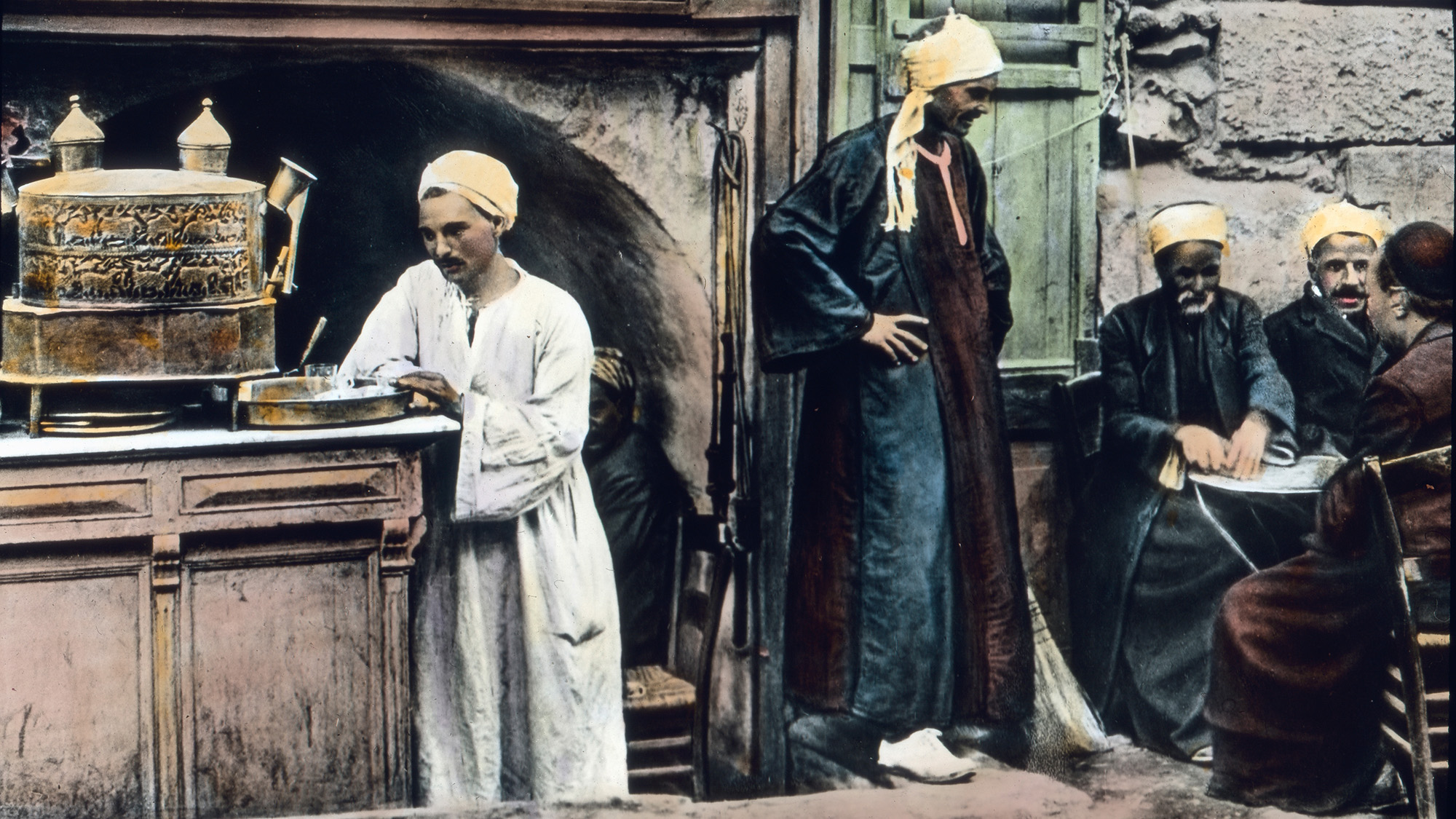
Coffee, a drink cherished by millions, has faced severe restrictions throughout history, with some instances leading to severe punishments, including death. The beverage, initially popularized in the 15th century among Sufi communities in Yemen, quickly spread across the globe. However, its rise in popularity often drew the ire of authorities who feared its social implications. Several historical bans on coffee highlight the lengths to which leaders would go to suppress the drink, illustrating a complex relationship between power, culture, and commerce.
Mecca’s Ban in the 16th Century
In the early 1500s, coffee arrived in Mecca, where coffeehouses began to flourish. These establishments became popular gathering spots for locals and pilgrims alike. However, in 1511, Kha’ir Beg, a Meccan official, initiated a crackdown on coffee. He convened scholars to support his campaign against the drink, claiming it harmed the body and intoxicated the mind.
Kha’ir Beg’s actions led to the closure of coffeehouses, the burning of coffee beans, and even public beatings of coffee drinkers. Despite his efforts, Sultan Al-Ashraf Qansuh al-Ghuri swiftly countered by issuing a royal edict allowing private coffee-drinking. This decision allowed Meccans to return to their beloved beverage, restoring the vibrant culture of coffeehouses.
Execution in the Ottoman Empire
More than a century later, coffee faced another grave threat in the Ottoman Empire under Sultan Murad IV. His reign was marked by paranoia, as he viewed coffeehouses as breeding grounds for rebellion. In an extreme measure, Murad IV banned coffeehouses in Istanbul and imposed the death penalty for public coffee consumption.
Historical accounts depict Murad IV as a brutal ruler who personally executed those found drinking coffee. Reports even suggest that he roamed the streets incognito, punishing violators on the spot. This ruthless approach reflects the tensions of a volatile political climate, where coffee became synonymous with dissent.
Sweden’s Multiple Bans and a Peculiar Experiment
In the 16th century, European interest in coffee grew, particularly after visits to the Ottoman Empire. By the 17th century, coffee had gained a foothold in Europe, but it soon faced scrutiny similar to that in the Middle East. King Gustav III of Sweden, suspicious of coffee’s effects, banned it and even orchestrated a bizarre medical trial involving twin convicts. One twin consumed coffee daily, while the other drank tea. Despite the king’s concerns, both twins outlived him, who was assassinated in 1792.
Sweden implemented five separate bans on coffee imports between 1756 and 1817. These prohibitions were largely driven by economic motives, as authorities sought to address trade deficits. Enforcement of these bans led to arrests, fines, and imprisonment for those found drinking or selling coffee, showcasing the lengths to which the government would go to control the beverage.
Prussia’s Coffee Sniffers and Economic Control
In 1777, Frederick the Great of Prussia expressed his disdain for coffee in a scathing proclamation. He criticized the growing consumption among his subjects and its economic implications, arguing that coffee was a luxury for the elite while ordinary people should drink beer.
To combat this perceived threat, Frederick established a royal coffee monopoly, outlawing private roasting and importation. This move led to widespread smuggling, prompting the creation of a covert force known as the “Kaffeeschnüffler.” These coffee sniffers, often war veterans, patrolled the streets, searching for the illicit aroma of roasted coffee. Those caught faced hefty fines, with a portion of the penalty going to the sniffers themselves.
The complex history of coffee bans illustrates how this beloved drink has been both celebrated and vilified. While today, coffee is largely accepted and enjoyed globally, its past serves as a reminder of how cultural practices can provoke fear among those in power.

Urgent Swatting Incident Ties Up Emergency Resources in Alabama

Urgent Tax Alert: Claim Your Deductions Before April 15!

Scientists Investigate Cosmic Defects: Where Are They Now?

Spring Bocce Leagues Open Registration in Rapid City

CALV Offers Essential Communication Class for Real Estate Pros

Samsung Galaxy Watch 9 Set for Larger 435mAh Battery Upgrade

Healthy Choice Wellness Reports Earnings, Stock Sees Uptick

Prince Harry Claims to Be ‘Antidote to Andrew’ Amid Royal Crisis

Pet Owners Weigh Kibble Against Fresh Dog Food Options

ALMA Discovers Companion Orbiting Giant Star π 1 Gruis

U.S. Visa Rescheduling Hits H‐1B Applicants as New Vetting Rules Take Effect

University of Hawaiʻi Joins $25.6M AI Project for Disaster Monitoring

F-22 Raptor vs. Su-57 Felon: A 2025 Fighter Jet Comparison

Ohio State Study Uncovers Brain Connectivity and Function Links

Recent Divorce Judgments from Iberia Parish Court Records

Prince Andrew Faces Fallout from Scandals and Allegations

Urgent: Flight Cancellations Loom at Texas Airports Amid Shutdown

Frank Dunn, Esteemed Builder and Community Leader, Passes Away at 89
-
 Science8 months ago
ALMA Discovers Companion Orbiting Giant Star π 1 Gruis
-
 Politics6 months ago
U.S. Visa Rescheduling Hits H‐1B Applicants as New Vetting Rules Take Effect
-
Science8 months ago
University of Hawaiʻi Joins $25.6M AI Project for Disaster Monitoring
-
 World8 months ago
F-22 Raptor vs. Su-57 Felon: A 2025 Fighter Jet Comparison
-
 Science8 months ago
Ohio State Study Uncovers Brain Connectivity and Function Links
-
 Politics8 months ago
Recent Divorce Judgments from Iberia Parish Court Records
-
 World8 months ago
Prince Andrew Faces Fallout from Scandals and Allegations
-
 Top Stories8 months ago
Urgent: Flight Cancellations Loom at Texas Airports Amid Shutdown
-
 Lifestyle8 months ago
Frank Dunn, Esteemed Builder and Community Leader, Passes Away at 89
-

 Business8 months ago
Appian Recognizes 2025 Partner Award Winners for Enterprise Innovation
-

 Entertainment6 months ago
Malachi Barton Tops Google Searches as Disney’s Rising Star of 2025
-

 Science9 months ago
Innovator Captures Light at 2 Billion Frames Per Second