
Top Stories
Americans Drink Less, Dry January Faces Major Decline in 2025

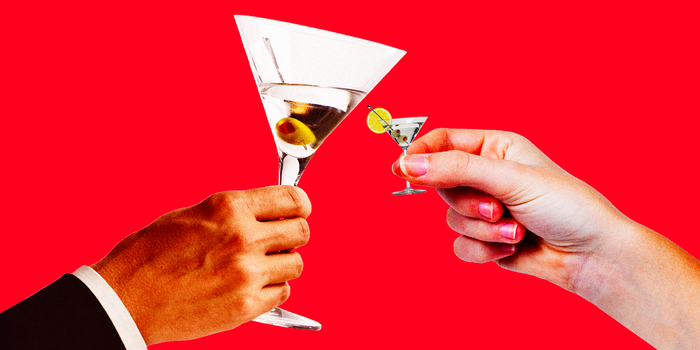
UPDATE: New reports confirm that the trend of Americans drinking less is significantly impacting the popularity of Dry January in 2025. Bartenders across the nation are reporting a decline in participation, with many choosing to indulge instead of abstaining.
Angelo Warren, a bartender in Chicago, emphasizes the change, stating, “This January has been busy, even with corporate events where attendees typically drink less around their bosses.” He notes that the demand for hard liquor has surged, with many patrons opting for stronger drinks over nonalcoholic options. “It’s not that we’re all becoming lushes; it’s that the culture is shifting,” he adds.
The latest data from the IWSR shows a troubling trend: interest in month-long sobriety is stalling among Gen Z worldwide. Google searches for “Dry January” have dropped, indicating a waning interest. Although there was a slight uptick in participation this year, CivicScience reports a near doubling of individuals who abandoned their Dry January goals.
The conversation around alcohol consumption has also evolved. Last year, warnings about alcohol’s health effects dominated headlines. Now, the narrative has softened, with messages suggesting moderation is acceptable. “Dry January is becoming less significant as we see more people not drinking or drinking less,” states Harry Kaufman, director of the bar program at Odo in New York.
Sales data from Square reveals a 19% increase in nonalcoholic beverage sales during the first two weeks of January compared to last year. However, overall alcohol sales are rising as patrons embrace a more moderated approach, often alternating between alcoholic and nonalcoholic drinks, a trend referred to as “zebra striping.”
Despite the decline in Dry January participation, there is a notable change in drinking habits. Many Americans are limiting their alcohol intake but still enjoy social drinking. Tom Brander, the beverage director at Wilder in Philadelphia, observes, “We are seeing fewer people opting out of drinking entirely.”
Public sentiment around alcohol has shifted, with many individuals feeling comfortable enjoying a drink without guilt. Jonathan Hunt-Glassman, CEO of Oar Health, comments that Dry January can serve as a “learning opportunity” for individuals evaluating their alcohol consumption. Approximately two-thirds of Oar’s members aim to drink less rather than quit altogether.
While January typically sees a slowdown in bar attendance due to weather and economic concerns, this year’s cultural shifts are influencing drinking choices. As financial pressures mount and new medications become available, many Americans are reconsidering their relationship with alcohol.
As we move further into 2025, it remains to be seen how these trends will evolve. The impact of the pandemic on drinking habits continues to reshape social norms, particularly among younger generations. With the landscape continually changing, Dry January may need to adapt or risk becoming less relevant in the future.
This evolving narrative around alcohol consumption reflects broader social changes, where moderation and responsible drinking are increasingly prioritized. As people navigate their choices, the notion of complete sobriety may shift towards a more balanced approach. The future of Dry January now hangs in the balance as Americans redefine their relationship with alcohol.

Urgent Swatting Incident Ties Up Emergency Resources in Alabama

Urgent Tax Alert: Claim Your Deductions Before April 15!

Scientists Investigate Cosmic Defects: Where Are They Now?

Spring Bocce Leagues Open Registration in Rapid City

CALV Offers Essential Communication Class for Real Estate Pros

Samsung Galaxy Watch 9 Set for Larger 435mAh Battery Upgrade

Healthy Choice Wellness Reports Earnings, Stock Sees Uptick

Prince Harry Claims to Be ‘Antidote to Andrew’ Amid Royal Crisis

Pet Owners Weigh Kibble Against Fresh Dog Food Options

ALMA Discovers Companion Orbiting Giant Star π 1 Gruis

U.S. Visa Rescheduling Hits H‐1B Applicants as New Vetting Rules Take Effect

University of Hawaiʻi Joins $25.6M AI Project for Disaster Monitoring

F-22 Raptor vs. Su-57 Felon: A 2025 Fighter Jet Comparison

Recent Divorce Judgments from Iberia Parish Court Records

Ohio State Study Uncovers Brain Connectivity and Function Links

Prince Andrew Faces Fallout from Scandals and Allegations

Urgent: Flight Cancellations Loom at Texas Airports Amid Shutdown

Frank Dunn, Esteemed Builder and Community Leader, Passes Away at 89
-
 Science8 months ago
ALMA Discovers Companion Orbiting Giant Star π 1 Gruis
-
 Politics6 months ago
U.S. Visa Rescheduling Hits H‐1B Applicants as New Vetting Rules Take Effect
-
Science8 months ago
University of Hawaiʻi Joins $25.6M AI Project for Disaster Monitoring
-
 World8 months ago
F-22 Raptor vs. Su-57 Felon: A 2025 Fighter Jet Comparison
-
 Politics8 months ago
Recent Divorce Judgments from Iberia Parish Court Records
-
 Science9 months ago
Ohio State Study Uncovers Brain Connectivity and Function Links
-
 World8 months ago
Prince Andrew Faces Fallout from Scandals and Allegations
-
 Top Stories8 months ago
Urgent: Flight Cancellations Loom at Texas Airports Amid Shutdown
-
 Lifestyle8 months ago
Frank Dunn, Esteemed Builder and Community Leader, Passes Away at 89
-

 Business8 months ago
Appian Recognizes 2025 Partner Award Winners for Enterprise Innovation
-

 Entertainment7 months ago
Malachi Barton Tops Google Searches as Disney’s Rising Star of 2025
-

 Top Stories7 months ago
Republican Matt Van Epps Wins Tennessee Special Election