
World
Fighter Pilot Salaries in the US Air Force: A 2026 Overview

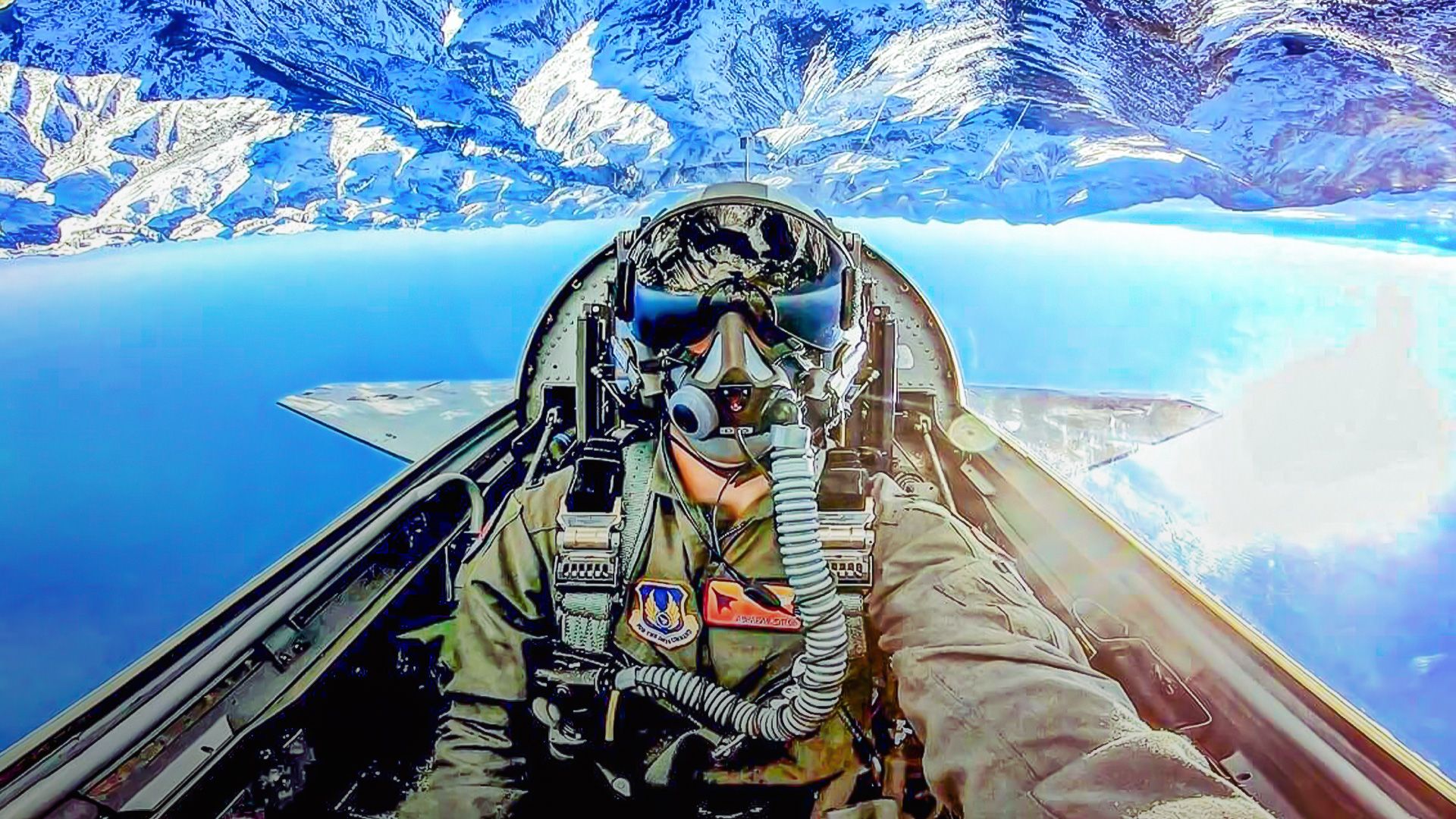
In 2026, the salaries of fighter pilots in the United States Air Force (USAF) reflect a complex structure influenced by rank, years of service, location, and flying status. While a newly commissioned Second Lieutenant begins with a basic monthly pay of approximately $4,150, this figure can significantly increase as pilots gain experience and promotions. The overall compensation package for these aviation professionals includes various allowances and incentives that can lead to substantial earnings over time.
Understanding Fighter Pilot Pay Structure
Every fighter pilot in the USAF starts with standard active-duty officer base pay, which is outlined in published pay tables. For instance, a Second Lieutenant’s pay in 2026 amounts to around $49,800 annually. As pilots transition to ranks such as First Lieutenant and Captain, their compensation grows accordingly. A Captain (O-3) can earn up to $7,382 monthly, translating to an annual salary of approximately $88,592.
Additional financial incentives play a crucial role in the overall earnings of fighter pilots. These include Aviation Incentive Pay, which starts at about $150 per month and can rise significantly based on years of service. For example, after six years, this pay can increase to around $700 per month. Furthermore, housing allowances—which vary based on geographical location—can add between $1,800 to $2,200 monthly, depending on personal circumstances such as dependents.
Career Progression and Earning Potential
The journey to becoming a fighter pilot is rigorous. To qualify, candidates must become commissioned officers through various programs such as the United States Air Force Academy or the Air Force Reserve Officer Training Corps (ROTC). The selection process is competitive and includes multiple exams and physical evaluations. After being selected, pilots undergo extensive training that includes initial flight screening, Undergraduate Pilot Training (UPT), and specialized fighter training.
Once pilots have completed their training and earned their wings, their initial compensation reflects their status as junior officers. During the first three years, most pilots are still in training and receive salaries comparable to other newly commissioned officers. As they gain experience and promotions, their pay transitions from the lower ranks to more senior positions, where salaries can easily exceed six figures.
For senior pilots, such as Majors and Colonels, the compensation becomes more straightforward. Base salaries for these ranks typically reach six figures, and additional allowances for housing and flight pay can significantly enhance overall earnings. This group may also benefit from retention incentives, which are designed to keep experienced pilots within the Air Force.
The financial landscape for USAF pilots differs markedly from civilian counterparts. According to the Bureau of Labor Statistics, the median pay for airline pilots in the United States stands at around $226,000 annually, encompassing both new and experienced pilots. While some first-year first officers at major airlines may earn in the low to mid-$100,000s, senior captains can exceed $400,000 per year, especially with extensive flight experience.
Fighter pilots face unique challenges and rewards, blending their commitment to service with financial incentives. The extensive training and dedication required for this profession often lead to fulfilling careers, whether within the military or in civilian aviation roles. Former fighter pilots frequently transition into various sectors, contributing their skills and leadership in diverse capacities.
Ultimately, while compensation is a significant factor in the decision to pursue a career as a fighter pilot, the personal fulfillment from serving in such a critical role remains invaluable.

Urgent Swatting Incident Ties Up Emergency Resources in Alabama

Urgent Tax Alert: Claim Your Deductions Before April 15!

Scientists Investigate Cosmic Defects: Where Are They Now?

Spring Bocce Leagues Open Registration in Rapid City

CALV Offers Essential Communication Class for Real Estate Pros

Samsung Galaxy Watch 9 Set for Larger 435mAh Battery Upgrade

Healthy Choice Wellness Reports Earnings, Stock Sees Uptick

Prince Harry Claims to Be ‘Antidote to Andrew’ Amid Royal Crisis

Pet Owners Weigh Kibble Against Fresh Dog Food Options

ALMA Discovers Companion Orbiting Giant Star π 1 Gruis

U.S. Visa Rescheduling Hits H‐1B Applicants as New Vetting Rules Take Effect

University of Hawaiʻi Joins $25.6M AI Project for Disaster Monitoring

F-22 Raptor vs. Su-57 Felon: A 2025 Fighter Jet Comparison

Recent Divorce Judgments from Iberia Parish Court Records

Urgent: Flight Cancellations Loom at Texas Airports Amid Shutdown

Ohio State Study Uncovers Brain Connectivity and Function Links

Frank Dunn, Esteemed Builder and Community Leader, Passes Away at 89

Appian Recognizes 2025 Partner Award Winners for Enterprise Innovation
-
 Science9 months ago
ALMA Discovers Companion Orbiting Giant Star π 1 Gruis
-
 Politics7 months ago
U.S. Visa Rescheduling Hits H‐1B Applicants as New Vetting Rules Take Effect
-
Science10 months ago
University of Hawaiʻi Joins $25.6M AI Project for Disaster Monitoring
-
 World10 months ago
F-22 Raptor vs. Su-57 Felon: A 2025 Fighter Jet Comparison
-
 Politics9 months ago
Recent Divorce Judgments from Iberia Parish Court Records
-
 Top Stories10 months ago
Urgent: Flight Cancellations Loom at Texas Airports Amid Shutdown
-
 Science10 months ago
Ohio State Study Uncovers Brain Connectivity and Function Links
-
 Lifestyle10 months ago
Frank Dunn, Esteemed Builder and Community Leader, Passes Away at 89
-
 Business9 months ago
Appian Recognizes 2025 Partner Award Winners for Enterprise Innovation
-

 World10 months ago
Prince Andrew Faces Fallout from Scandals and Allegations
-

 Entertainment8 months ago
Malachi Barton Tops Google Searches as Disney’s Rising Star of 2025
-

 Top Stories9 months ago
Republican Matt Van Epps Wins Tennessee Special Election