
Business
Trump Sues JPMorgan Chase for $5 Billion Over Alleged Debanking

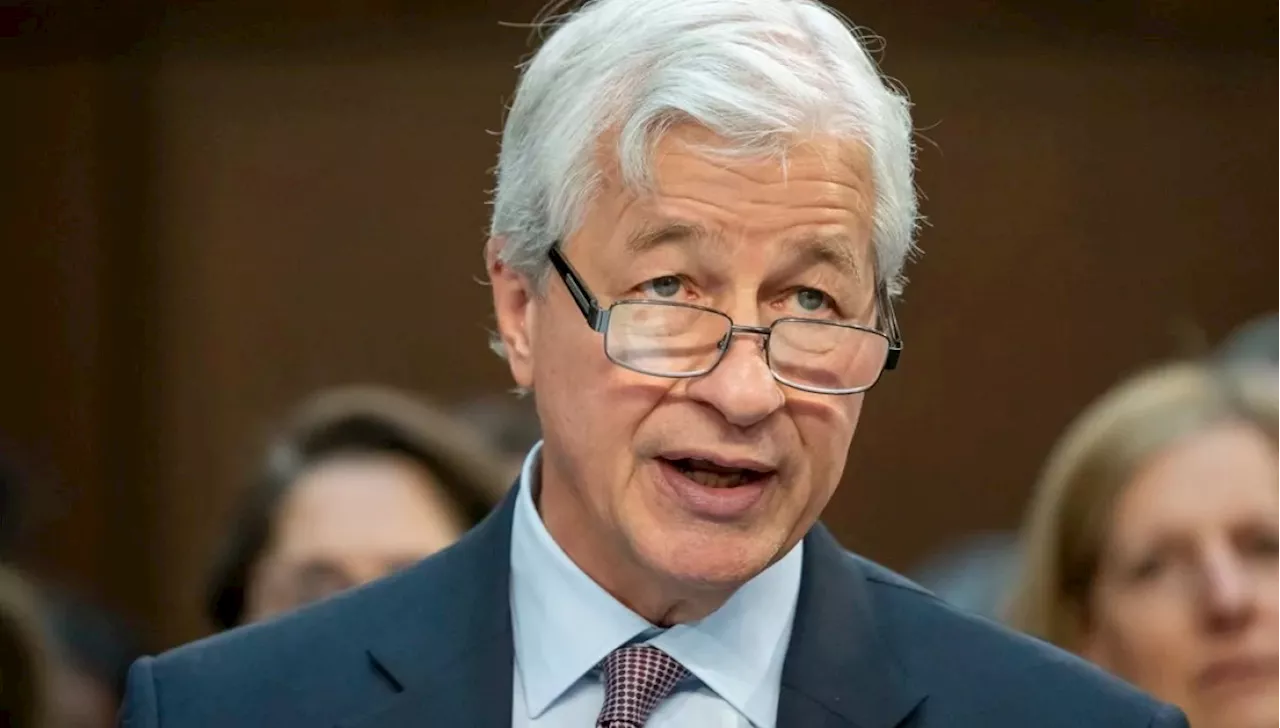
Former President Donald Trump has initiated a lawsuit against JPMorgan Chase and its CEO Jamie Dimon, seeking $5 billion in damages. The lawsuit claims that the bank unlawfully terminated Trump’s personal and business accounts following the events of January 6, 2021, at the U.S. Capitol. Trump alleges that this decision was politically motivated and constitutes a form of debanking.
The lawsuit, filed on Thursday, does not cite any specific laws that JPMorgan Chase allegedly violated when it deactivated Trump’s accounts. Historically, banks reserve the right to terminate accounts without cause, particularly if they foresee potential legal or regulatory risks. This case, therefore, raises questions about whether the actions taken by the bank were indeed influenced by political pressure.
Many observers interpret the lawsuit as more than just a legal battle over account management. It appears to serve as a broader inquiry into the alleged legal assaults faced by Trump, particularly from the Biden administration’s Justice Department and local prosecutors in Manhattan and Fulton County, Georgia.
While Trump and JPMorgan Chase both assert their positions, the underlying legal implications are more complex. The bank has indicated that the decision to deactivate Trump’s accounts was based on concerns regarding potential legal ramifications rather than any political agenda. This aligns with existing financial regulations, such as the Bank Secrecy Act, which allows banks to close accounts if they perceive risks of illegal activity, often without providing customers an explanation.
The legal landscape surrounding this case is particularly notable given the heightened scrutiny banks face from federal regulators. Financial institutions are tasked with identifying and reporting suspicious activities to avoid severe penalties. This regulatory environment could compel banks like JPMorgan Chase to take preventive actions, especially in light of the intense scrutiny directed at Trump since the Capitol riots.
As the case progresses, the discovery process will likely reveal whether JPMorgan Chase acted out of genuine concern for regulatory compliance or if external pressures from federal authorities influenced their decision. If it is found that the bank capitulated to explicit governmental pressure, Trump could gain significant political leverage beyond the immediate reputational damage inflicted on the financial institution.
This lawsuit not only encapsulates the ongoing tensions between Trump and various governmental entities but also highlights the complex interplay between finance and politics in contemporary America. As the situation unfolds, the implications for both Trump and JPMorgan Chase could extend far beyond the courtroom, affecting public perceptions and political narratives.
The outcome of this case may set important precedents regarding the rights of individuals in their banking relationships, especially amid rising concerns about political motivations influencing financial services.

Urgent Swatting Incident Ties Up Emergency Resources in Alabama

Urgent Tax Alert: Claim Your Deductions Before April 15!

Scientists Investigate Cosmic Defects: Where Are They Now?

Spring Bocce Leagues Open Registration in Rapid City

CALV Offers Essential Communication Class for Real Estate Pros

Samsung Galaxy Watch 9 Set for Larger 435mAh Battery Upgrade

Healthy Choice Wellness Reports Earnings, Stock Sees Uptick

Prince Harry Claims to Be ‘Antidote to Andrew’ Amid Royal Crisis

Pet Owners Weigh Kibble Against Fresh Dog Food Options

ALMA Discovers Companion Orbiting Giant Star π 1 Gruis

U.S. Visa Rescheduling Hits H‐1B Applicants as New Vetting Rules Take Effect

University of Hawaiʻi Joins $25.6M AI Project for Disaster Monitoring

F-22 Raptor vs. Su-57 Felon: A 2025 Fighter Jet Comparison

Recent Divorce Judgments from Iberia Parish Court Records

Ohio State Study Uncovers Brain Connectivity and Function Links

Prince Andrew Faces Fallout from Scandals and Allegations

Urgent: Flight Cancellations Loom at Texas Airports Amid Shutdown

Frank Dunn, Esteemed Builder and Community Leader, Passes Away at 89
-
 Science8 months ago
ALMA Discovers Companion Orbiting Giant Star π 1 Gruis
-
 Politics6 months ago
U.S. Visa Rescheduling Hits H‐1B Applicants as New Vetting Rules Take Effect
-
Science9 months ago
University of Hawaiʻi Joins $25.6M AI Project for Disaster Monitoring
-
 World9 months ago
F-22 Raptor vs. Su-57 Felon: A 2025 Fighter Jet Comparison
-
 Politics8 months ago
Recent Divorce Judgments from Iberia Parish Court Records
-
 Science9 months ago
Ohio State Study Uncovers Brain Connectivity and Function Links
-
 World9 months ago
Prince Andrew Faces Fallout from Scandals and Allegations
-
 Top Stories8 months ago
Urgent: Flight Cancellations Loom at Texas Airports Amid Shutdown
-
 Lifestyle8 months ago
Frank Dunn, Esteemed Builder and Community Leader, Passes Away at 89
-

 Business8 months ago
Appian Recognizes 2025 Partner Award Winners for Enterprise Innovation
-

 Entertainment7 months ago
Malachi Barton Tops Google Searches as Disney’s Rising Star of 2025
-

 Top Stories8 months ago
Republican Matt Van Epps Wins Tennessee Special Election