
Health
Hawaii Insurance Giant HMSA Teams Up with HPH: Questions Arise

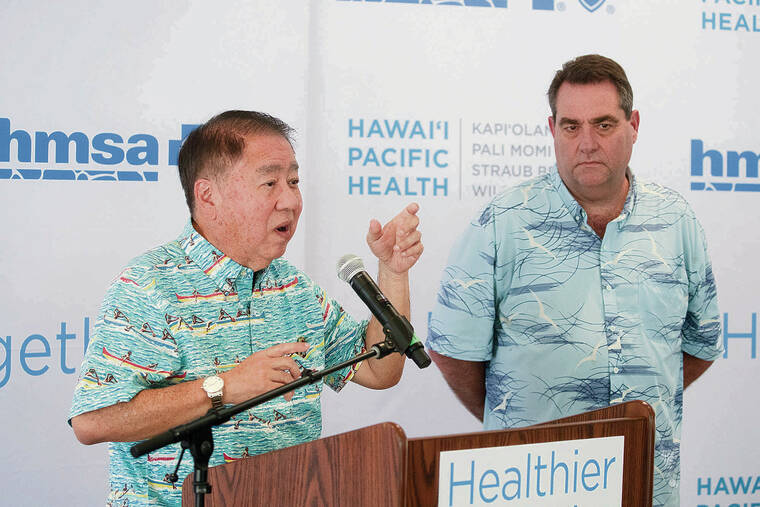
The proposed partnership between the Hawaii Medical Service Association (HMSA) and Hawai‘i Pacific Health (HPH) has stirred significant discussion among state lawmakers and the public. During a recent briefing, concerns emerged regarding the potential impact this collaboration may have on Hawaii’s health care landscape. This joint initiative, named One Health Hawaii, aims to create a new umbrella entity that advocates improved health care for consumers, though many remain skeptical about its implications.
State Representative Scot Matayoshi, who chairs the House Committee on Consumer Protection and Commerce, emphasized the need for thorough analysis before taking a definitive stance on the partnership. He described the potential consequences as having “drastic ramifications,” highlighting the uncertainty surrounding the effects of this merger. Critics, including representatives from other local health care providers, have raised alarms about possible unfair competition that could arise from the collaboration.
Both HMSA and HPH argue that the partnership will allow them to streamline operations and enhance coordination, which they believe will ultimately benefit consumers. Nevertheless, there are concerns that this alliance could create a cost advantage by reducing the number of intermediaries in the health care system. This would allow HMSA to direct patients toward its partner and possibly lead to a prioritization of healthier patients who can afford higher premiums, leaving other facilities with the burden of caring for sicker patients.
Representatives from The Queen’s Health Systems and Adventist Health Castle have expressed particular apprehension regarding these developments. Queen’s Health, which serves a substantial number of uninsured emergency care patients, fears the implications of a system that might prioritize profit over comprehensive care.
Both Ray Vara, HPH’s president and CEO, and Mark Mugiishi, HMSA’s CEO, reassured legislators that the two organizations would maintain separate operational pathways. They stated that no layoffs are currently planned and that members would retain their choice of doctors, with coverage remaining consistent. The concept of “better coordination” has been presented as a way to ultimately reduce costs, even if the processes remain unchanged initially.
Advocates for the partnership have launched a series of advertisements promoting the anticipated benefits, including reductions in health care costs. However, a representative from Hawaii’s insurer HMAA articulated a contrasting perspective, cautioning that historical patterns suggest a risk of increased health care expenses, with benefits predominantly accruing to executives rather than consumers.
The potential savings from “shared administrative costs” and the elimination of duplication could reach over $2 billion over the next decade, according to HPH’s Vara. This raises critical questions about how such savings would materialize and whether they would lead to a more consolidated and less competitive marketplace.
As health systems and insurance companies in Hawaii face financial challenges, the prospect of reform is increasingly urgent. The year 2025 is expected to be particularly difficult, with both major insurance companies in the state forecasted to operate at a loss. Rising health care costs have become a pressing issue across the United States, prompting calls for significant changes to the existing system.
The proposed HMSA-HPH partnership represents a pivotal moment for health care in Hawaii. As discussions continue, it is essential that the motivations behind this collaboration are critically examined. The ultimate goal must be to foster a health care landscape that prioritizes affordability, competition, innovation, and quality of care for all residents.

Urgent Swatting Incident Ties Up Emergency Resources in Alabama

Urgent Tax Alert: Claim Your Deductions Before April 15!

Scientists Investigate Cosmic Defects: Where Are They Now?

Spring Bocce Leagues Open Registration in Rapid City

CALV Offers Essential Communication Class for Real Estate Pros

Samsung Galaxy Watch 9 Set for Larger 435mAh Battery Upgrade

Healthy Choice Wellness Reports Earnings, Stock Sees Uptick

Prince Harry Claims to Be ‘Antidote to Andrew’ Amid Royal Crisis

Pet Owners Weigh Kibble Against Fresh Dog Food Options

ALMA Discovers Companion Orbiting Giant Star π 1 Gruis

U.S. Visa Rescheduling Hits H‐1B Applicants as New Vetting Rules Take Effect

University of Hawaiʻi Joins $25.6M AI Project for Disaster Monitoring

F-22 Raptor vs. Su-57 Felon: A 2025 Fighter Jet Comparison

Recent Divorce Judgments from Iberia Parish Court Records

Ohio State Study Uncovers Brain Connectivity and Function Links

Prince Andrew Faces Fallout from Scandals and Allegations

Urgent: Flight Cancellations Loom at Texas Airports Amid Shutdown

Frank Dunn, Esteemed Builder and Community Leader, Passes Away at 89
-
 Science8 months ago
ALMA Discovers Companion Orbiting Giant Star π 1 Gruis
-
 Politics6 months ago
U.S. Visa Rescheduling Hits H‐1B Applicants as New Vetting Rules Take Effect
-
Science8 months ago
University of Hawaiʻi Joins $25.6M AI Project for Disaster Monitoring
-
 World8 months ago
F-22 Raptor vs. Su-57 Felon: A 2025 Fighter Jet Comparison
-
 Politics8 months ago
Recent Divorce Judgments from Iberia Parish Court Records
-
 Science9 months ago
Ohio State Study Uncovers Brain Connectivity and Function Links
-
 World8 months ago
Prince Andrew Faces Fallout from Scandals and Allegations
-
 Top Stories8 months ago
Urgent: Flight Cancellations Loom at Texas Airports Amid Shutdown
-
 Lifestyle8 months ago
Frank Dunn, Esteemed Builder and Community Leader, Passes Away at 89
-

 Business8 months ago
Appian Recognizes 2025 Partner Award Winners for Enterprise Innovation
-

 Entertainment7 months ago
Malachi Barton Tops Google Searches as Disney’s Rising Star of 2025
-

 Top Stories7 months ago
Republican Matt Van Epps Wins Tennessee Special Election