
Science
U.S. Army Advances Nuclear Microreactor Technology for Energy Security

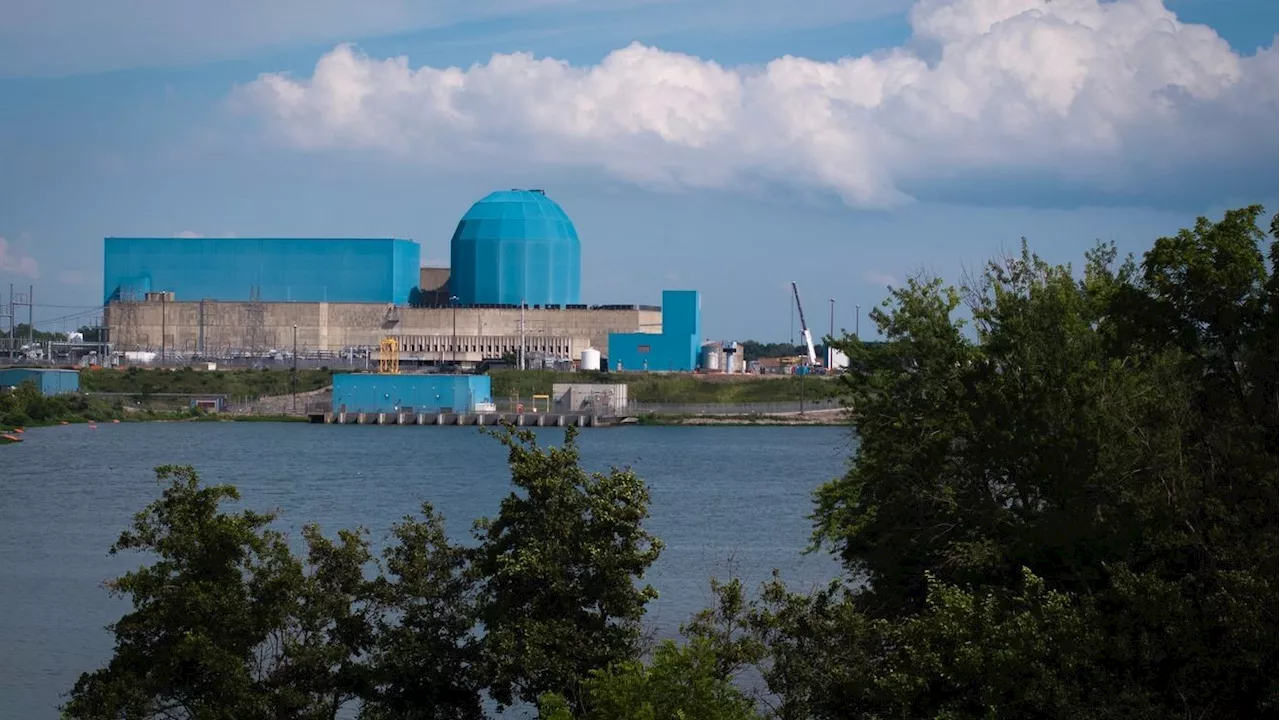
The U.S. Army is on the verge of deploying a new generation of nuclear technology that promises to transform energy production in the United States. This initiative focuses on nuclear microreactors, compact systems that can generate reliable, low-carbon power and are small enough to be transported by truck. These microreactors are capable of producing less than 20 megawatts of electricity, making them suitable for various applications, including military bases and remote communities.
On July 24, 2025, an aerial view of the Constellation’s Clinton Clean Energy Center in Clinton, Illinois, highlighted the growing significance of nuclear power in the energy landscape. Recently, Meta signed a 20-year power purchase agreement with Constellation for energy generated from this facility, underscoring the potential for nuclear energy to meet future demands.
The Army is currently assessing the feasibility of installing these microreactors at domestic bases as part of its Janus program. This initiative aims to enhance energy security for critical military infrastructure. The installations under consideration include Fort Bragg, Fort Hood, Fort Drum, Joint Base Lewis-McChord, and Redstone Arsenal. By generating power on-site, the Army seeks to reduce reliance on civilian electrical grids, which are increasingly susceptible to extreme weather events, cyber threats, and other disruptions.
Energy Secretary Chris Wright emphasized the importance of this technology during an interview, stating, “Like replacing a remote diesel generator in an Alaskan village or at a remote mine site, the administration is supporting all of these efforts.” On-base nuclear power could enable military installations to maintain operations during extended outages or emergencies.
The Trump administration prioritized advanced nuclear development, advocating for a variety of next-generation reactor designs in a bid to rejuvenate the domestic nuclear sector. Wright acknowledged this effort, saying, “I want to thank President Trump for making a nuclear renaissance possible.” The Department of Energy anticipates demonstrating approximately ten different reactor designs over the next two years, with construction of small modular reactors potentially starting as early as next year.
Microreactors differ significantly from traditional nuclear plants, which require extensive land and lengthy construction processes. Instead, these compact systems are designed for factory manufacturing, allowing for rapid deployment once they receive regulatory approval. Nevertheless, this manufacturing model poses financial challenges. Companies must invest heavily in building production facilities, while prospective customers often seek assurances of long-term reliability and regulatory compliance before making commitments.
Public perception presents another hurdle for the adoption of microreactors. After years of skepticism surrounding nuclear power, community acceptance will be crucial for deploying this technology beyond military settings. For now, the Army’s testing phase serves as a preliminary proving ground. Supporters hope it will validate the potential of nuclear microreactors to deliver clean and resilient energy in an evolving energy landscape.
In summary, as the U.S. Army explores the viability of nuclear microreactors, the implications for energy security and reliability are substantial. Efforts to integrate this technology could not only benefit military operations but also pave the way for broader applications across various sectors, ultimately contributing to a more sustainable energy future.

Urgent Swatting Incident Ties Up Emergency Resources in Alabama

Urgent Tax Alert: Claim Your Deductions Before April 15!

Scientists Investigate Cosmic Defects: Where Are They Now?

Spring Bocce Leagues Open Registration in Rapid City

CALV Offers Essential Communication Class for Real Estate Pros

Samsung Galaxy Watch 9 Set for Larger 435mAh Battery Upgrade

Healthy Choice Wellness Reports Earnings, Stock Sees Uptick

Prince Harry Claims to Be ‘Antidote to Andrew’ Amid Royal Crisis

Pet Owners Weigh Kibble Against Fresh Dog Food Options

ALMA Discovers Companion Orbiting Giant Star π 1 Gruis

U.S. Visa Rescheduling Hits H‐1B Applicants as New Vetting Rules Take Effect

University of Hawaiʻi Joins $25.6M AI Project for Disaster Monitoring

F-22 Raptor vs. Su-57 Felon: A 2025 Fighter Jet Comparison

Recent Divorce Judgments from Iberia Parish Court Records

Urgent: Flight Cancellations Loom at Texas Airports Amid Shutdown

Ohio State Study Uncovers Brain Connectivity and Function Links

Frank Dunn, Esteemed Builder and Community Leader, Passes Away at 89

Appian Recognizes 2025 Partner Award Winners for Enterprise Innovation
-
 Science10 months ago
ALMA Discovers Companion Orbiting Giant Star π 1 Gruis
-
 Politics8 months ago
U.S. Visa Rescheduling Hits H‐1B Applicants as New Vetting Rules Take Effect
-
Science10 months ago
University of Hawaiʻi Joins $25.6M AI Project for Disaster Monitoring
-
 World10 months ago
F-22 Raptor vs. Su-57 Felon: A 2025 Fighter Jet Comparison
-
 Politics9 months ago
Recent Divorce Judgments from Iberia Parish Court Records
-
 Top Stories10 months ago
Urgent: Flight Cancellations Loom at Texas Airports Amid Shutdown
-
 Science10 months ago
Ohio State Study Uncovers Brain Connectivity and Function Links
-
 Lifestyle10 months ago
Frank Dunn, Esteemed Builder and Community Leader, Passes Away at 89
-
 Business10 months ago
Appian Recognizes 2025 Partner Award Winners for Enterprise Innovation
-

 World10 months ago
Prince Andrew Faces Fallout from Scandals and Allegations
-

 Entertainment8 months ago
Malachi Barton Tops Google Searches as Disney’s Rising Star of 2025
-

 Top Stories9 months ago
Republican Matt Van Epps Wins Tennessee Special Election