
Science
Global Surge of Drug-Resistant Fungus Raises Alarms for Health Officials

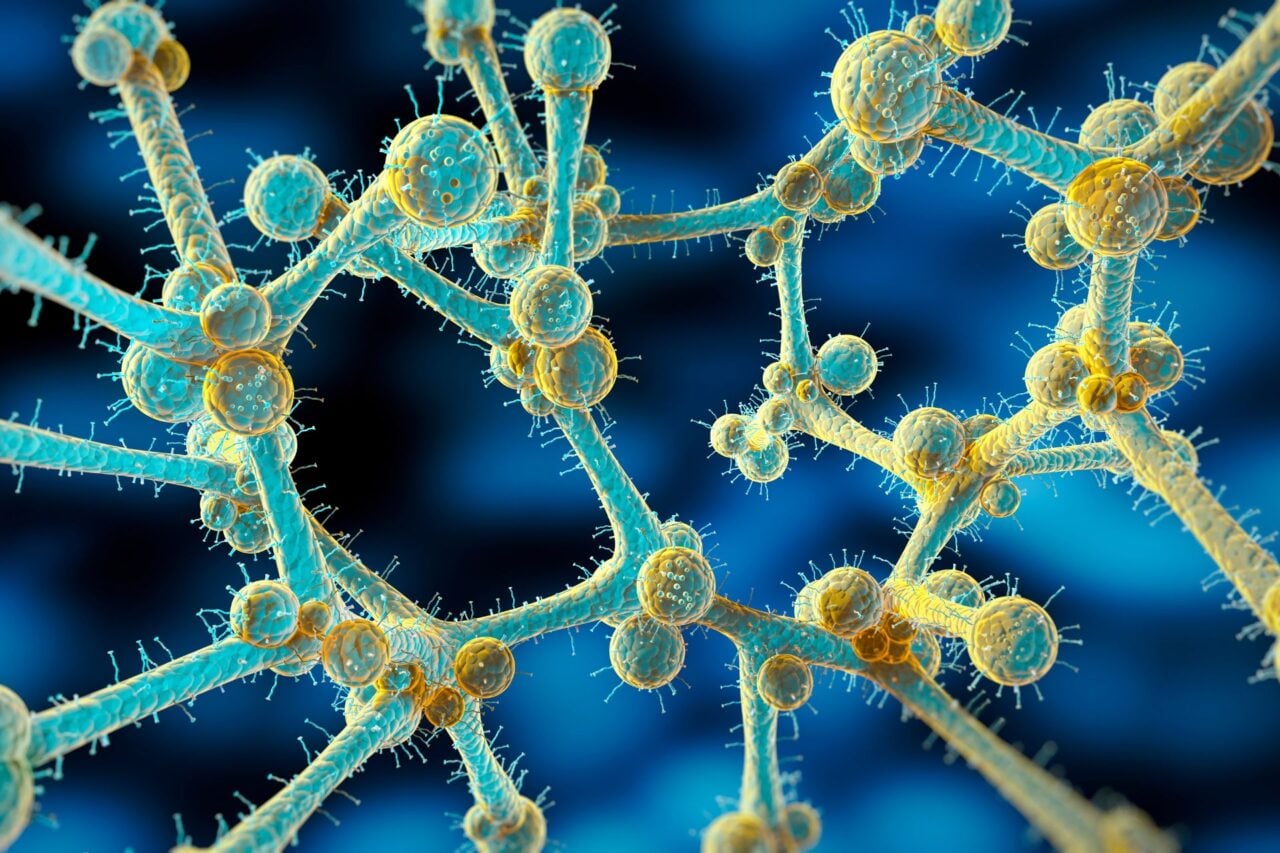
A dangerous, drug-resistant fungus known as Candida auris is increasingly threatening public health across the globe. Recent research published in Microbiology and Molecular Biology Reviews reveals that the prevalence of this fungus has grown significantly since its discovery in 2009. The study highlights the alarming rise in outbreaks, particularly in healthcare settings, including reports from at least 39 states in the United States, where more than 4,500 cases were documented in 2023.
The infection caused by C. auris is often misidentified as other pathogens, complicating treatment efforts. Its resistance to many common antifungal medications poses a severe risk, especially to individuals with weakened immune systems. Research indicates that approximately one-third of hospitalized patients infected with C. auris succumb to the illness, with mortality rates for bloodstream infections reaching nearly 50%.
The Growing Threat of Fungal Infections
Fungal infections are becoming an increasingly significant public health concern. A 2022 study estimated that fungi contribute to nearly 4 million deaths annually, nearly double the figure from a decade ago. Among these, Candida auris stands out due to its alarming ability to thrive in various environments, including human hosts. Initially identified in the ear of a patient in Japan, this fungus can colonize skin without immediate harm but can lead to severe infections in vulnerable individuals.
One of the primary reasons for the threat posed by C. auris is its exceptional resistance to standard antifungal treatments. Strains have emerged that are resistant to all four major classes of antifungal medications, raising concerns among health experts. Furthermore, conventional diagnostic tests frequently misidentify C. auris, resulting in delayed or inappropriate treatment.
Despite being a relatively uncommon source of infection, the global impact of C. auris is rising. The fungus has now been reported in over 50 countries, emphasizing the urgent need for improved diagnostic and treatment strategies.
Research and Future Prospects
There are reasons for cautious optimism among researchers. Significant advancements in antifungal drug development are underway, with three promising candidates in the pipeline. In 2023, the FDA approved Rezafungin for the treatment of invasive Candida infections, marking a crucial step forward in combating this threat.
Additionally, vaccine research is progressing, with some candidates aiming to provide protection against a wide range of fungal pathogens. As the scientific community continues to explore the intricacies of C. auris, researchers hope to uncover new strategies for diagnosis, prevention, and treatment of drug-resistant fungal infections.
Neeraj Chauhan, a professor at the Center for Discovery and Innovation at Hackensack Meridian Health, emphasizes the importance of understanding how these pathogens interact with human hosts. “The long-term goal of research is to guide the development of new strategies for diagnosing, preventing, and treating drug-resistant fungal infections,” Chauhan stated.
The emergence of Candida auris serves as a stark reminder of the evolving challenges in public health, especially as factors like climate change may facilitate the growth of such pathogens. Continued research and innovation will be vital in addressing the rising threat posed by this formidable fungus.

Urgent Swatting Incident Ties Up Emergency Resources in Alabama

Urgent Tax Alert: Claim Your Deductions Before April 15!

Scientists Investigate Cosmic Defects: Where Are They Now?

Spring Bocce Leagues Open Registration in Rapid City

CALV Offers Essential Communication Class for Real Estate Pros

Samsung Galaxy Watch 9 Set for Larger 435mAh Battery Upgrade

Healthy Choice Wellness Reports Earnings, Stock Sees Uptick

Prince Harry Claims to Be ‘Antidote to Andrew’ Amid Royal Crisis

Pet Owners Weigh Kibble Against Fresh Dog Food Options

ALMA Discovers Companion Orbiting Giant Star π 1 Gruis

U.S. Visa Rescheduling Hits H‐1B Applicants as New Vetting Rules Take Effect

University of Hawaiʻi Joins $25.6M AI Project for Disaster Monitoring

F-22 Raptor vs. Su-57 Felon: A 2025 Fighter Jet Comparison

Recent Divorce Judgments from Iberia Parish Court Records

Ohio State Study Uncovers Brain Connectivity and Function Links

Prince Andrew Faces Fallout from Scandals and Allegations

Urgent: Flight Cancellations Loom at Texas Airports Amid Shutdown

Frank Dunn, Esteemed Builder and Community Leader, Passes Away at 89
-
 Science8 months ago
ALMA Discovers Companion Orbiting Giant Star π 1 Gruis
-
 Politics6 months ago
U.S. Visa Rescheduling Hits H‐1B Applicants as New Vetting Rules Take Effect
-
Science8 months ago
University of Hawaiʻi Joins $25.6M AI Project for Disaster Monitoring
-
 World8 months ago
F-22 Raptor vs. Su-57 Felon: A 2025 Fighter Jet Comparison
-
 Politics8 months ago
Recent Divorce Judgments from Iberia Parish Court Records
-
 Science9 months ago
Ohio State Study Uncovers Brain Connectivity and Function Links
-
 World8 months ago
Prince Andrew Faces Fallout from Scandals and Allegations
-
 Top Stories8 months ago
Urgent: Flight Cancellations Loom at Texas Airports Amid Shutdown
-
 Lifestyle8 months ago
Frank Dunn, Esteemed Builder and Community Leader, Passes Away at 89
-

 Business8 months ago
Appian Recognizes 2025 Partner Award Winners for Enterprise Innovation
-

 Entertainment6 months ago
Malachi Barton Tops Google Searches as Disney’s Rising Star of 2025
-

 Science9 months ago
Innovator Captures Light at 2 Billion Frames Per Second